Make 2X the impact for the Boundary Waters
The clock is ticking. For the 10th week, we’re still waiting for the Senate to schedule a vote that will determine the future of the Boundary Waters Canoe Area Wilderness—and we can’t afford to let up now.
Keeping up this sustained pressure and staying ready for a vote that could come with as little as 24 hours’ notice takes serious resources. That is why a generous Boundary Waters defender has stepped up to match every donation dollar-for-dollar until midnight Friday, March 27! That means your gift today will go twice as far to keep this fight going at this critical moment.
Here’s how the Boundary Waters needs your help this week:
-
Rush a 2X gift for the Boundary Waters that helps us fight back in DC
What’s this bad Boundary Waters legislation all about?
- HJ Res 140 would undo the 20-year mining ban that safeguards the Boundary Waters watershed from copper mining.
- Prevents future administrations from using the same safeguards on the Boundary Waters that are currently in place.
- Sets a dangerous precedent for rolling back protections for public lands across the country using the Congressional Review Act
- The Senate has just 60 legislative days to act before the window closes at the end of April.
Myth-busting (#4 of too many)
MYTH: “This mine won’t pollute, and pollution can be cleaned up.”
FACT: Every copper mine pollutes, whether due to accidents, human error, or inevitable leaking. Once copper mining pollutes the Boundary Waters, it's forever—there are no second chances.
FACT: Sulfide-ore copper mining would pollute the Boundary Waters in ways that could not be fixed or mitigated.
- The Forest Service published a comprehensive scientific review finding that sulfide-ore copper mining would pollute the Boundary Waters in ways that could not be fixed or mitigated.
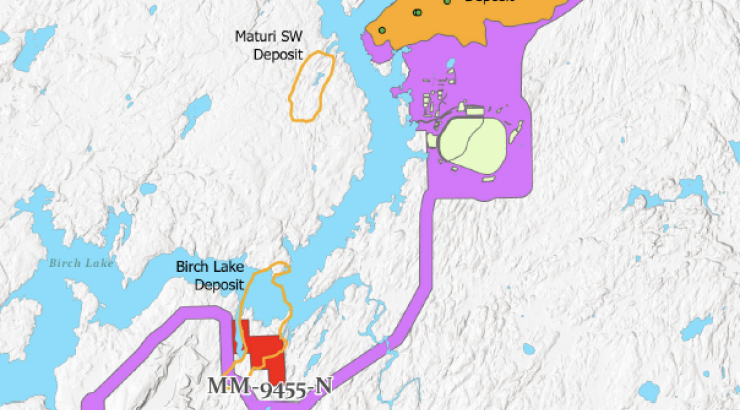
- Degraded and polluted waters from a proposed Twin Metals sulfide-ore copper mine would flow north, directly into the Boundary Waters, where no remediation technology or infrastructure is legally allowed or feasible.
- Under the Clean Water Act, no water quality degradation of waters within the Wilderness is allowed.
FACT: When asked if Twin Metals could guarantee no pollution, their spokesperson said, “That’s not a fair question.”
FACT: Minnesota’s laws were not designed to protect an area as pristine as the Boundary Waters from the impacts of sulfide-ore copper mining in its headwaters and upstream of the Wilderness.
- Water quality in the Boundary Waters is the best in Minnesota, and any pollution will degrade it.
- There is already evidence that waterways flowing into the Wilderness have sulfate levels higher than Minnesota’s state standards, originating from an incidental pile of sulfide-bearing ore that was removed to access the taconite ore below it 30 years ago. If our state’s rules can’t prevent pollution from an incidental pile of waste rock, then they are not prepared for a massive sulfide-ore copper mine even closer to the edge of the Wilderness.
- In many environments, pollution from a spill can often be contained or cleaned up. But in the Boundary Waters, once pollution enters, there’s no way to remove it or undo the damage.
Inspiration of the week:
-
Can you drink straight from a Boundary Waters lake? Read what seasoned paddlers have to say about it.
In case you missed it: media roundup
- Duluth News Tribune: Local View: Mining bill means more federal takeover
- Letters from an American by Heather Cox Richardson
- More than Just Parks: Public Pressure on the Boundary Waters is working
- Outside Magazine and Re:Public: Special Report: America’s most endangered Public Lands 2026
- Save the Boundary Waters: How can the State of Minnesota protect the Boundary Waters?
- Yellowstonian: the Boundary Waters Backstory