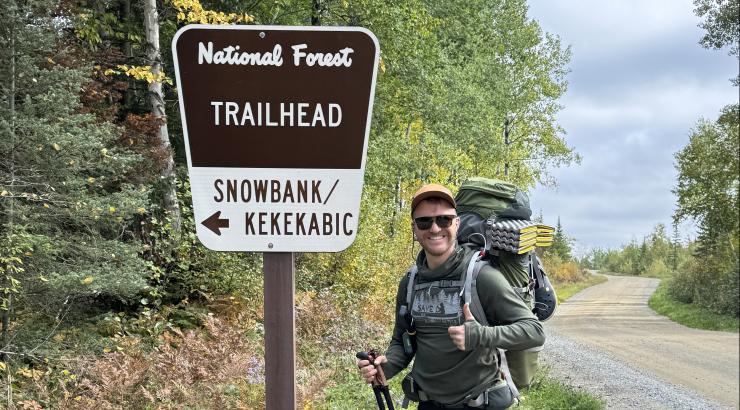
Can you drink straight from a Wilderness lake?
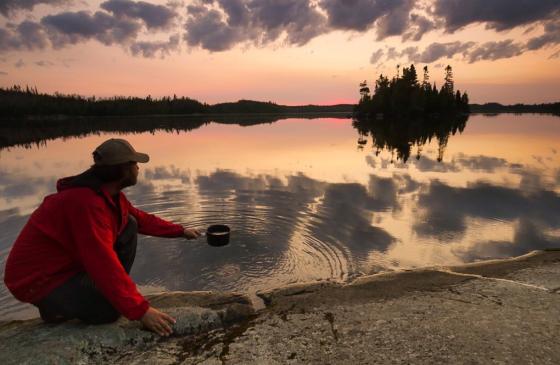
Have you ever considered drinking directly from a Wilderness lake? Many experienced Boundary Waters paddlers refer to this as “dipping” and have been doing so for decades. However, others are hesitant, primarily due to concerns about “beaver fever” or Giardia. To dip or not to dip? That is the question many people ask when venturing into the Boundary Waters.
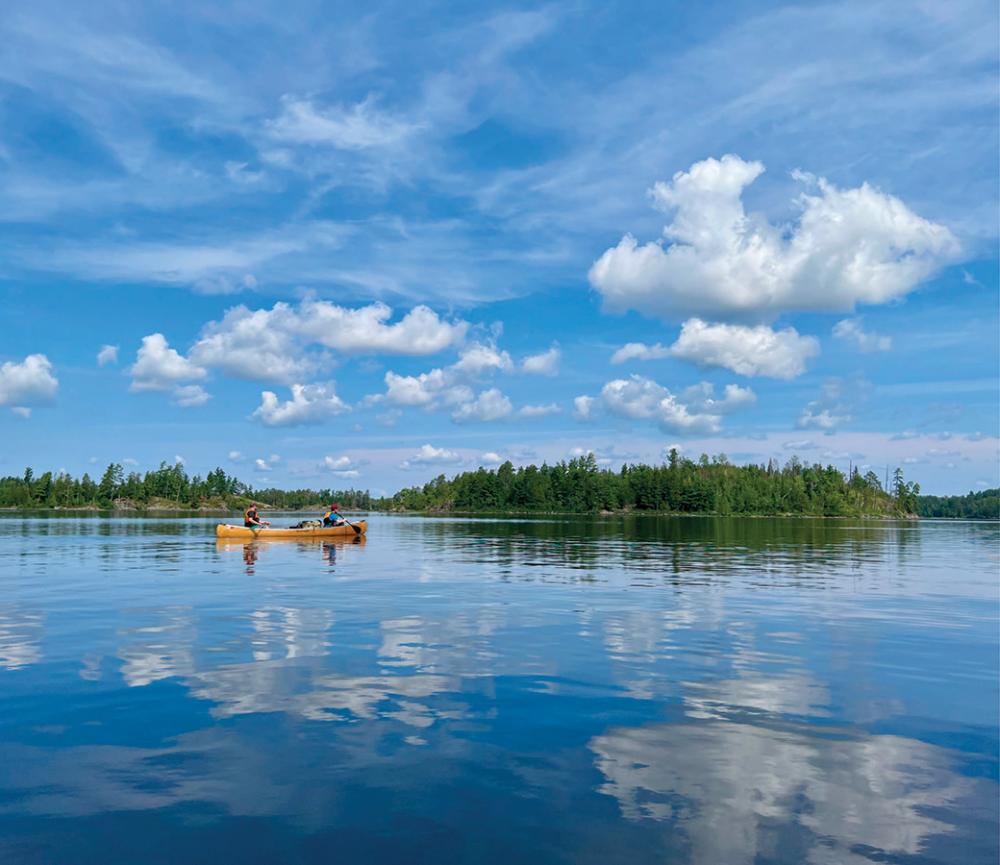
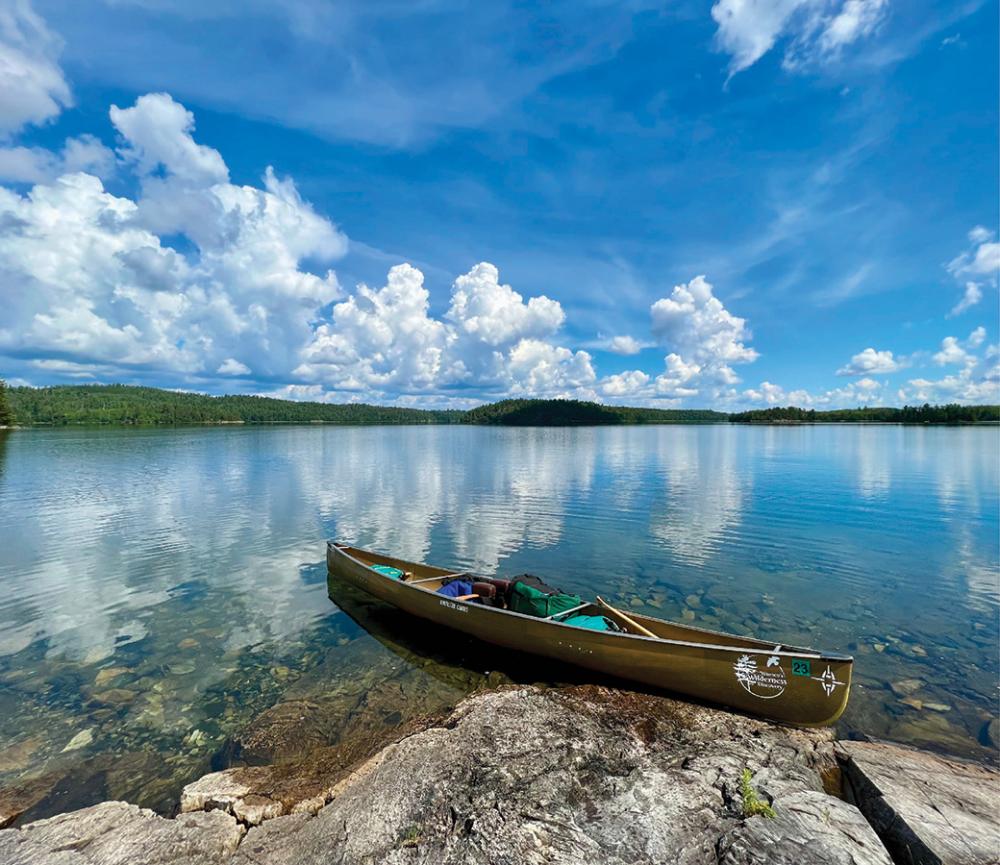
The Boundary Waters includes more than 1,100 lakes, along with numerous rivers and streams. It’s known for having some of the cleanest water in the United States.
Clean water is central to what makes this Wilderness so special. Minnesota’s well-known slogan, “Land of Sky-Blue Waters,” evokes images of fishing, boating, and swimming in one of the state's numerous crystal clear lakes.
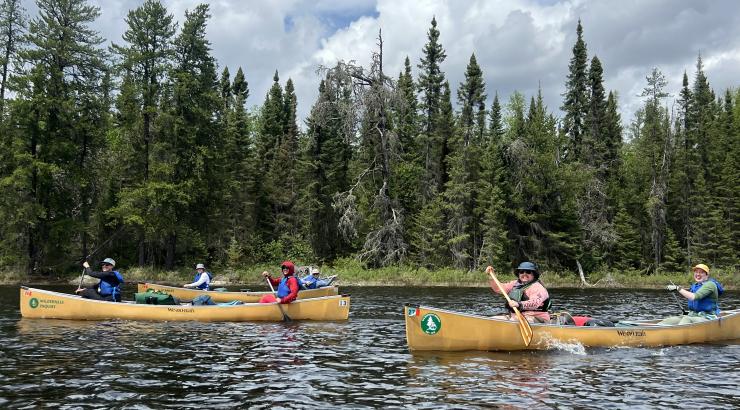
Throughout the summer, over 150,000 visitors seek one of the many campsites that sit right along scenic Wilderness shorelines. In addition, there are over 1,200 miles of water trails in the Boundary Waters from which paddlers can put together a variety of canoe routes.
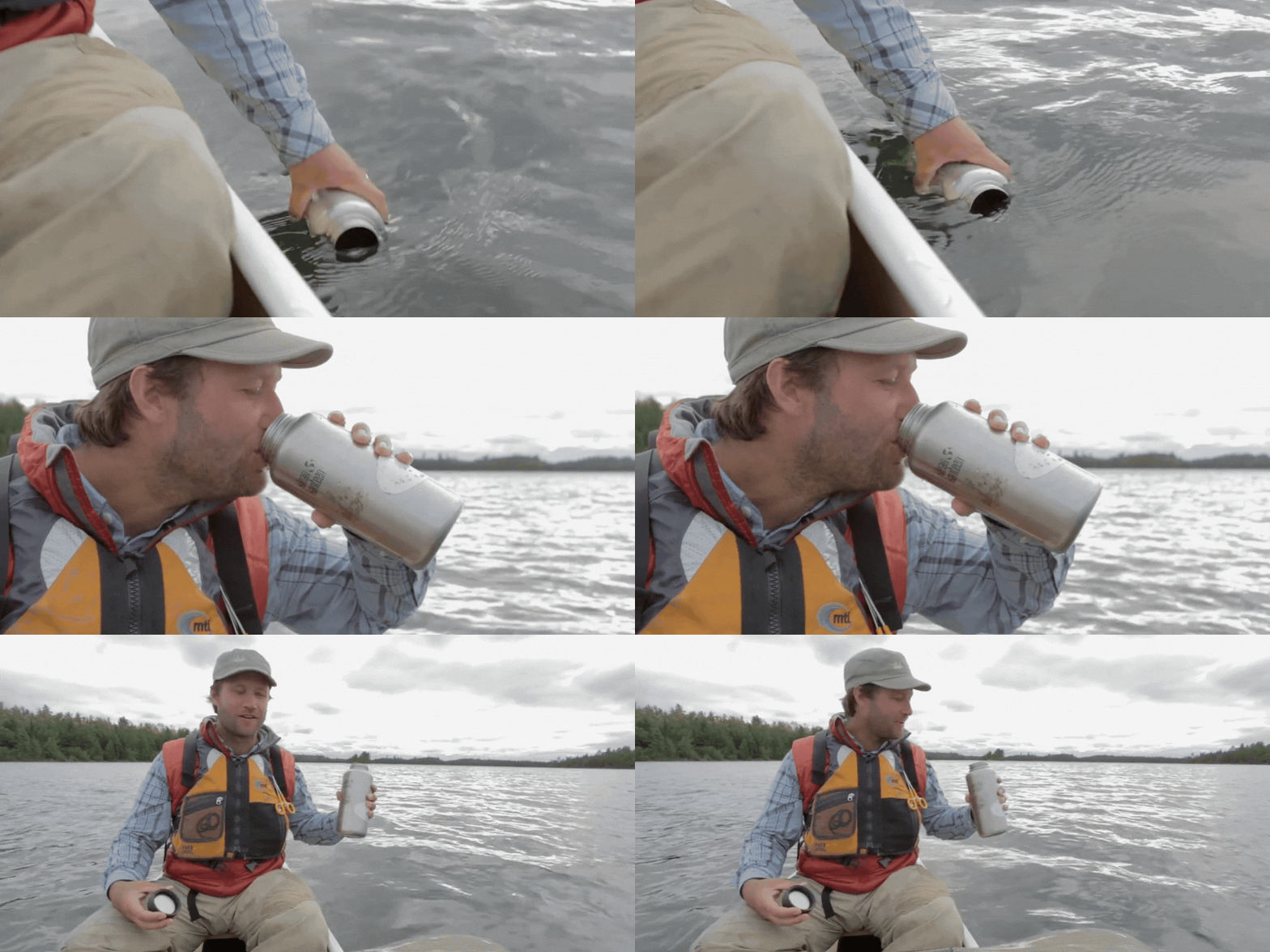
But just how clean are these lakes?
In short, they are pretty clean.
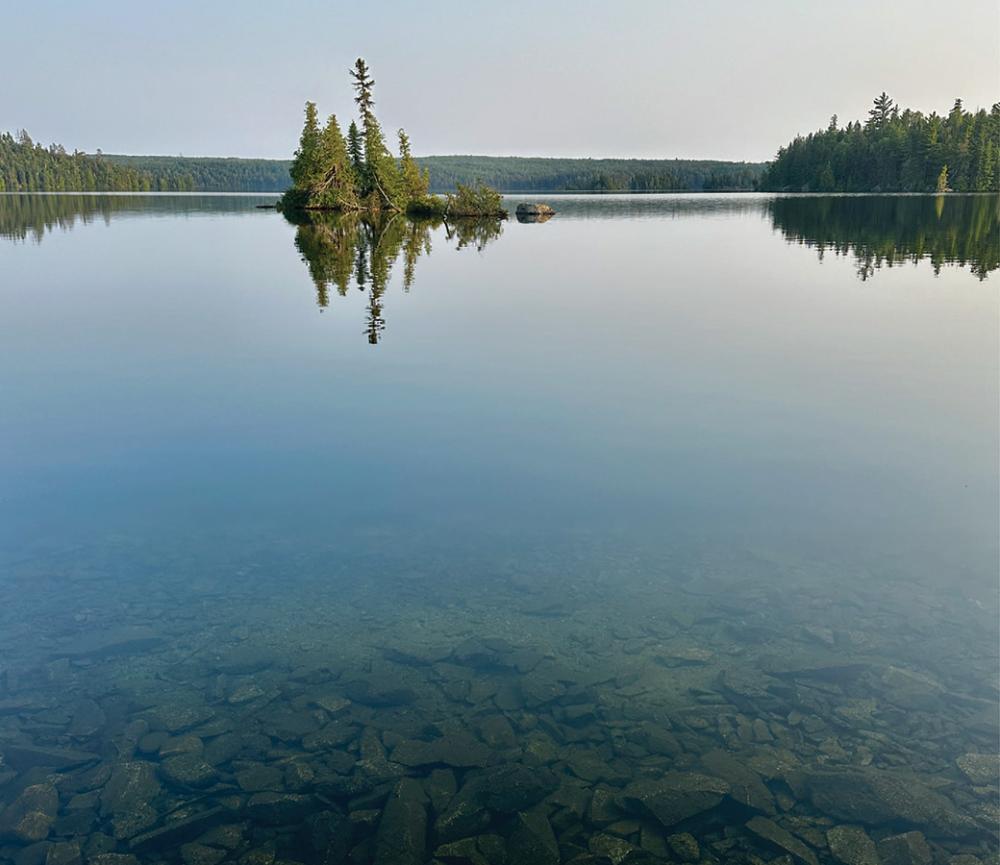
The Boundary Waters is the headwaters of the Rainy River and Lake Superior watersheds, meaning the water collected in the Wilderness flows downstream to Voyageur National Park, Quetico Provincial Park, Hudson Bay, Lake Superior, and beyond. A 2017 report by the Minnesota Pollution Control Agency describes the waters within the Rainy River Watershed area, where the Boundary Waters is located, as “exceptionally clean” and goes so far as to describe the lakes as “immaculate.” The report concludes that "the majority of the waterbodies within this watershed had exceptional biological, chemical, and physical characteristics that are worthy of additional protection."
Approximately 24% of the Boundary Waters is water, and together with the Superior National Forest, it holds 20% of all the freshwater in the National Forest System. It is protected under the Clean Water Act and is classified as Outstanding Resource Value Waters (ORVW). This designation provides extra protection and recognizes high-quality waters for their recreational, cultural, natural, or scientific significance.
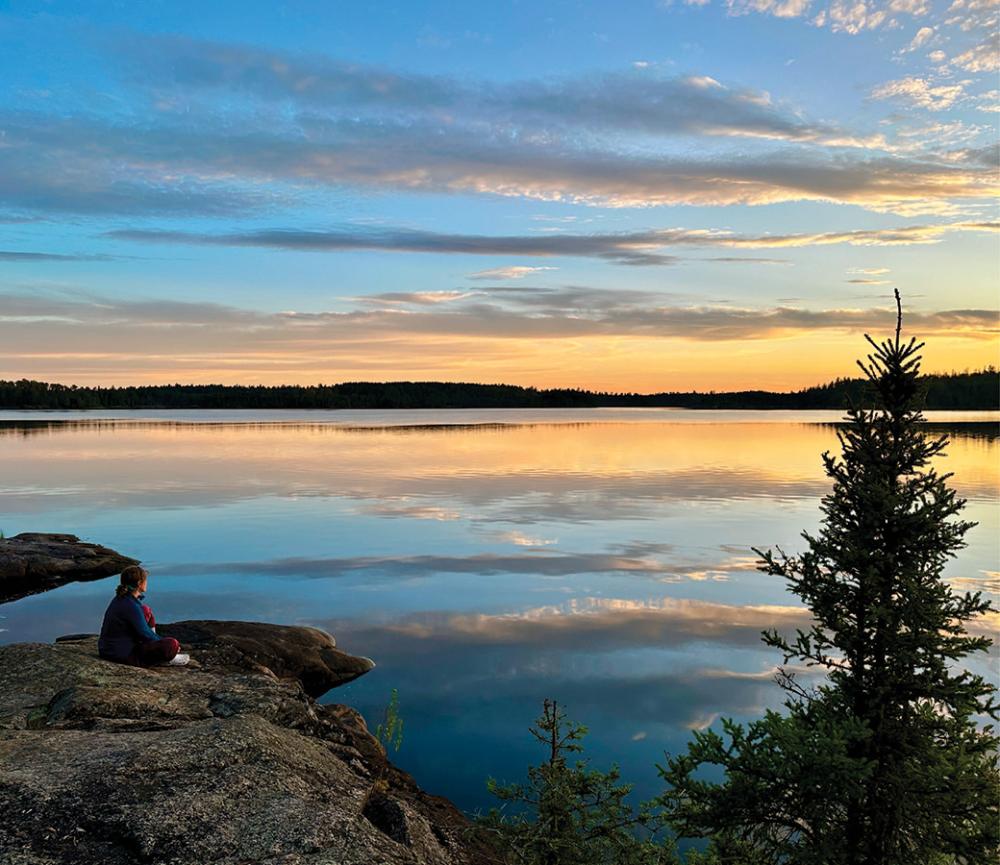
What do seasoned paddlers have to say about drinking from the lakes? Here are their takes:
-
“For the past 40 years, I’ve been a connoisseur of the water in the Boundary Waters Canoe Area Wilderness. Knife Lake will always be my favorite to drink straight from, with Alice Lake a close second. Lac La Croix just doesn’t taste quite the same to me, probably because it lies downstream from more signs of civilization. The lakes far upstream—beyond roads and people—have a purity, a flavor, and an aura that’s hard to describe unless you’ve experienced it.” - Josh
-
“I have great memories of dipping my metal cup in the lake as a kid back in the ’80s. However, I wouldn’t drink straight from the lake now unless I really had to. I’m too wary of particulates that could harm me.” - Andy
-
“As for drinking straight out of the lake, I do. However, I am selective with my choices. I only drink from the center of the lake on calm mid-summer days (no turnover, suspending Giardia in the summer). They are less impacted than other lakes because the Boundary Waters are the headwaters of massive river systems, and therefore have not had the chance to mingle with humans too much!” - Andrew
You can find many other opinions on dipping from this BWCA.com forum from 2021.
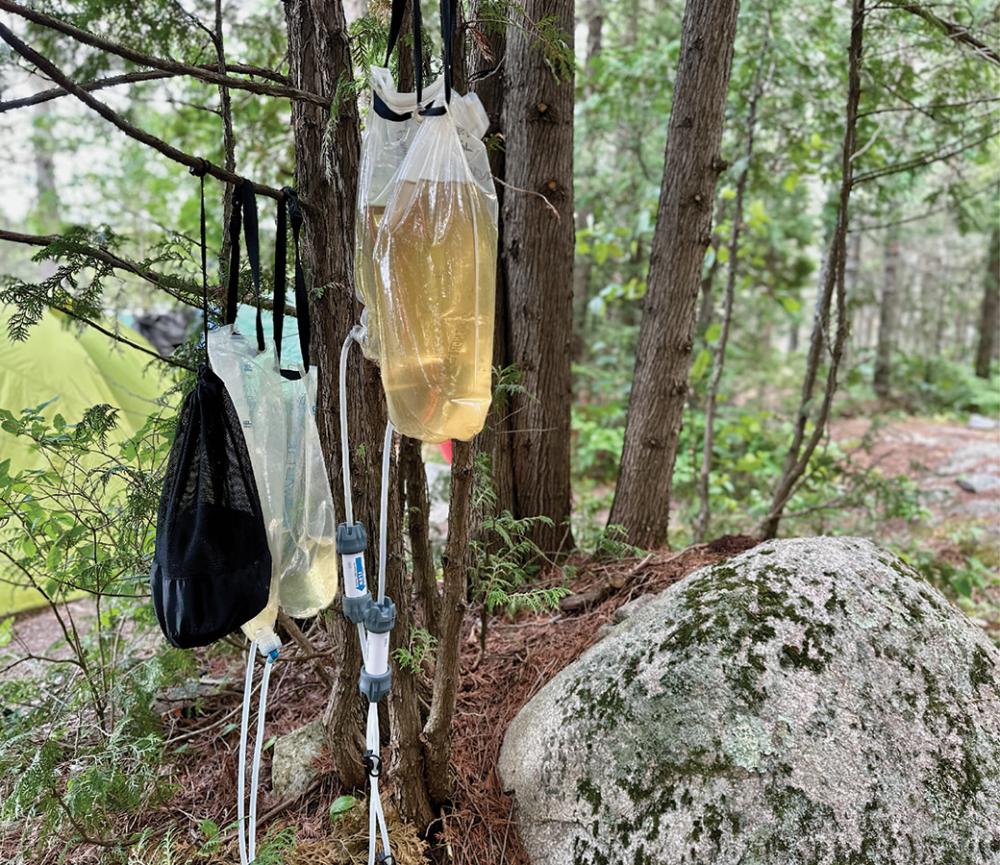
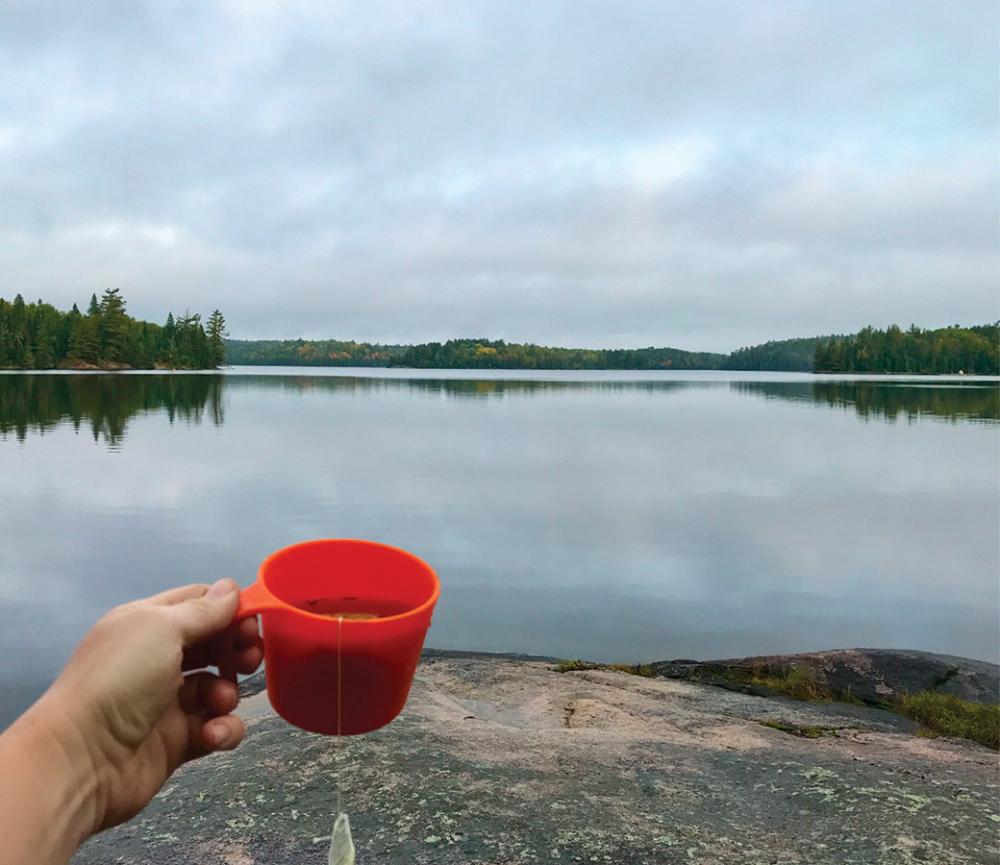
While you’re unlikely to become sick from a cup or two, treating your water is still the safest approach.
Paddlers should treat their drinking water. Because water is so accessible, it’s easy to do. Whether you bring filters, iodine tablets, UV filters, or just simply boil your water, there are pros and cons to each method.
Compact, lightweight options include UV purifiers, hollow-fiber membrane filters, and activated carbon systems. It’s a good idea to bring two filters for convenience. Plus, if one fails, you have a backup. Use a small, portable filter on travel days when you’re paddling and crossing portage trails. At camp, choose a filter that can handle larger volumes of water and works on its own, so you can focus on other tasks.
According to the Centers for Disease Control, boiling water is the most reliable method to kill bacteria and viruses. If you choose to boil water, keep it at a rolling boil for at least 1 minute. This method is especially effective when winter camping, as filters can often freeze. However, if you're trying to conserve fuel, using a water filter may be a better option.
Having issues with a filter or can’t boil? Iodine tablets are effective, portable, and fast-acting water purification agents, typically killing off bacteria, viruses, and many parasites in 30 minutes. Iodine does not kill Cryptosporidium and is only moderately effective against some cysts, requiring longer contact times for full efficacy. But, iodine is not recommended for long-term use and sometimes has a weird taste.
Lakes can vary in appearance. Some are very clear, while others have a brownish, tea-like color. This darker color is caused by tannins, which are natural organic compounds released when vegetation such as leaves and bark decomposes in the water (for example, black tea contains lots of tannins – hence its color!) Tannins do not negatively affect the safety or quality of drinking water.
Examples of lightweight, effective filters include UV light filters, pump filters, and gravity filters.
Collect water away from shorelines and beaver-impacted areas, like ponds. Choose areas with deeper water.
- UV filter: The Steripen is easy to use and lightweight. It kills viruses, bacteria, and protozoa but does not remove particles.
- Pump filter: The MSR Guardian Purifier is another good option to use while you’re travelling in the Boundary Waters. Just toss the intake hose over the side of the canoe and pump away. It not only removes sediment but also eliminates viruses, bacteria, and protozoa.
- Gravity filter: This high-volume system works while you're in camp and can filter anywhere from 4 to 6 liters of water. Plus, it’s easy to use, clean, and compact. This style of filter removes sediment, bacteria, and protozoa.
Protect the "immaculate" waters of the Wilderness
The Boundary Waters has some of the cleanest water in North America, which is why we are working hard to protect it from a sulfide-ore copper mine. Pollution from this risky type of mining would devastate downstream rivers, wetlands, and lakes. Pollution would be extremely hard to stop, if not impossible, once it starts. Once it crosses into the Wilderness, it cannot be fixed or mitigated.
If we want future generations to be able to drink from these pristine Boundary Waters lakes, we must act now to protect the Wilderness.