How can the State of Minnesota protect the Boundary Waters?

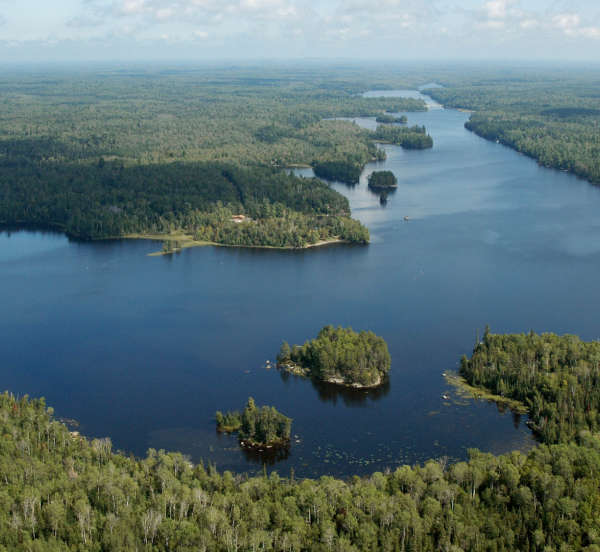
To protect the Boundary Waters Canoe Area Wilderness from toxic sulfide-ore copper mining, we need permanent protection at both the state and federal levels.
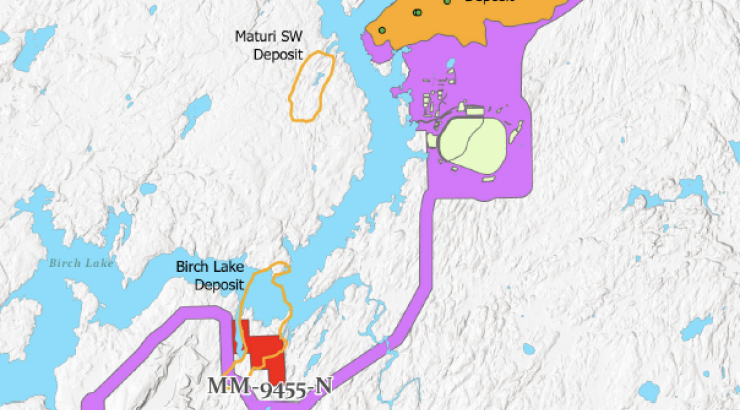
Twin Metals, owned by foreign mining giant Antofagasta, wants to build a toxic sulfide-ore copper mine upstream of the Boundary Waters, directly threatening the Wilderness. Unlike Minnesota’s legacy of iron and taconite mining, copper mining has never been done in Minnesota, and never been done safely anywhere. Every copper mine has polluted.
The federal government is moving to roll back protections for the watershed of the Boundary Waters, and the state of Minnesota has the ultimate power to stop a mine from being built next to the Wilderness.
There are a few ways that the state of Minnesota can stop the Twin Metals mine from being built:
- State regulatory authority - Minnesota Department of Natural Resources (DNR), the agency that would permit the Twin Metals mine, has the power to say NO by denying an eventual Twin Metals State Permit to Mine request.
- Legislation - Passing a permanent protection bill through the Minnesota Legislature and blocking other bad Boundary Waters bills is critical to achieving lasting protection.
- Litigation - Lawsuits have the power to stop or delay projects and challenge existing state mining standards.
The Twin Metals mine is proposed on a patchwork of state, federal, and private lands. Twin Metals needs “permission” and approval to mine on all of these lands. That means that even with federal leases restored…a 👏mine 👏cannot👏 be 👏built 👏without 👏state 👏permits👏 and👏 approval.
All mining projects in Minnesota must:
- Submit a formal proposal to state and federal agencies
- Obtain various permits or approvals from agencies, including the Minnesota DNR and the Minnesota Pollution Control Agency (MPCA), in order to operate.
Once their mine plan is submitted, the environmental review and permitting processes begin.
So even if the 20-year mining ban gets reversed, a mine won’t be built tomorrow, and probably not for a few years. But it’s important that we work on all fronts to protect the Wilderness from toxic pollution.
The Minnesota Department of Natural Resources has the final say
1. The DNR is the primary regulator for mining in the state. Even with federal leases restored, a mine cannot be built without state permits. The DNR must issue a “Permit to Mine,” which must show that a mine can:
- prevent water pollution
- safely store tailings
- reclaim the site after mining
- and protect nearby ecosystems.
If the DNR determines the project poses unacceptable environmental risks, it can deny the permit outright.
2. Minnesota also requires extensive environmental review for large mining projects.
-
An Environmental Impact Statement (EIS) process evaluates water pollution risks, tailings dam safety, cumulative impacts to the watershed, and alternatives to the project.
-
The DNR controls this process and can determine that the project does not meet environmental standards. In 2022, the state actually halted environmental review for the Twin Metals project after federal leases were canceled.
Additional State Permits and approvals also come from state agencies such as the Minnesota Pollution Control Agency and include water discharge permits, wetlands permits, dam safety permits, and air permits.
If any one of these is denied, a mine cannot proceed.
As a reminder, 100% of copper mines pollute.
Additionally, Twin Metals Minnesota holds 50-year state mineral leases that the Minnesota DNR can cancel during the 21st or 36th year. One such lease is eligible for cancellation by early June of this year — however, its location is outside the priority deposit areas Twin Metals intends to develop in the near term, meaning cancellation would not halt the mine's progress.
The Legislature can pass a bill to protect the BWCAW
The Minnesota State Legislature can pass laws that block or restrict sulfide mining near the Boundary Waters. During the legislative session, from January through May, our team was on the ground at the State Capitol in St. Paul nearly every day, fighting for strong bills, defending the Boundary Waters, and ensuring that state leaders stand up for the environmental regulations that protect this place.
Last year, the critical Boundary Waters Permanent Protection bill (S.F 875 / H.F 309) was reintroduced in the State Legislature. This important bill, carried by Senator Steve Cwodzinski and Rep. Alex Falconer, would ban sulfide-ore copper mining operations on state-owned lands in the Boundary Waters watershed permanently.
While we will continue to fight tirelessly to advance the Boundary Waters Permanent Protection bill, your support and voice remain essential to our work. Please contact your State Rep and Senator here and tell them to support the protection of the BWCA!
Lawsuits
Even if the federal process allows mining and the state permits it, lawsuits can still stop or delay the project.
In June of 2020, we sued the State of Minnesota, challenging that the state’s nonferrous (meaning not taconite or iron-ore mining) mining rules fail to adequately protect the Boundary Waters from the harmful effects of noise, light, air, and water pollution.
As a part of this process, the DNR released Findings of Fact, Conclusions of Law, and Order on May 31, 2023, in which it determined that Minnesota’s regulations on noise and light were indeed inadequate to protect the Boundary Waters from mining activities in the watershed and ordered rulemaking to expand the State’s Mineral Management Corridor within which mining-related surface disturbance is prohibited. That process is ongoing.
Our litigation efforts are key to protecting the Boundary Waters and will be crucial in the coming years. Litigation allows us to escalate strategic legal challenges, rally public support, and push for protections at the local, state, and federal levels.
The Mine Plan
Twin Metals must submit a “mine plan of operation” that will show where the extraction areas will be, where the ore will be processed, how the tailings will be stored, where electricity will come from, what new roads and rail lines will have to be created, and what kind of chemicals will be needed to extract the minerals. A mine plan of operation is a combination of maps and information that describes every aspect of the proposed mining operation.
The mine plan is important because government agencies – Minnesota DNR, the Minnesota Pollution Control Agency (MPCA), the US Bureau of Land Management (BLM), the US Forest Service (USFS), and others – use it to identify the many negative environmental impacts the project will create.
What can I do as a Minnesotan?
We can stop this project from moving any further, and we’ve done it before. Minnesotans must make our federal and state leaders understand the Boundary Waters must be protected.
- Calls and letters to elected officials are critical.
- Letters to the editor in your local newspaper are read by many and make a definite impact
- Supporting our efforts with your donations and volunteer time is essential – we can’t do this without you.
- And most importantly, stay informed.
We’ll keep you updated about what’s happening. New developments happen fairly frequently, and there are time-sensitive events that require a short turnaround for action. Make sure you are subscribed to our emails and action alerts, and check back to the website for periodic updates.