Clock is ticking to protect the BWCA - Updates on HJ Res 140
APRIL 15 UPDATE: Vote likely today.
Latest intel from Capitol Hill: time is being held on the Senate floor TODAY (4/15) to vote on a resolution that would dismantle the 20-year mining protections for the Boundary Waters.
We’re on the ground in D.C. and tracking this closely. But we need a surge of calls — right now. And all day tomorrow.
Already called your Senators? Call again: (202) 224-3121 – tell them to vote no on HJ Resolution 140.
When offices hear from a flood of people at once, it sends a clear message: This matters. People are paying attention. And their constituents will remember their vote.
---------
Since early January, Boundary Waters and public lands enthusiasts across the country have been haunted by the prospects of a little-known legislative tool called the Congressional Review Act (CRA) – and for good reason. Under this law, which is meant to give Congress the opportunity to challenge recently created agency rules, Representative Pete Stauber introduced House Joint Resolution 140, which would overturn the hard-won copper mining ban in the headwaters of the Boundary Waters.
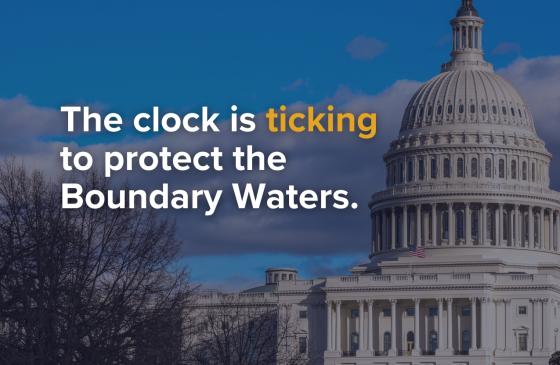
Once a resolution like this is introduced, the “Congressional Review Act Clock” starts, and Congress has 60 working days to pass the resolution, and they only need simple majorities in both chambers to do so. The passage of this resolution is only possible with a 51-vote margin in the Senate, so really, the Senate only has two more weeks to vote on this Resolution. They just got back from a two-week recess, so now it’s go time.
Executive Director Ingrid Lyons will be on the ground in Washington, D.C., all week—making sure your voice is heard loud and clear. Keep an eye on our social media pages and emails for the latest updates.
We’ve built the momentum. Now it’s go time – and time to get LOUD for the Boundary Waters.
What you can do: Contact your U.S. Senators before the end of April and urge them to oppose this resolution. We need calls coming in from across the country.
TAKE ACTION


When is the Senate set to vote on this resolution?
- The vote has not been scheduled yet, but could come up at any time.
- We usually only get 24-48 hours' notice when it’s put on the vote schedule.
- Under the Congressional Review Act, Congress has 60 legislative working days to vote on HJ Res 140 - and that “clock” runs out at the end of April.
If and when this comes up for a vote in the next two weeks, we want to win that vote – so keep calling your Senators.
Recap of the last few weeks:
A dangerous resolution (HJ Res 140) was introduced on January 12, 2026, by Rep. Pete Stauber that would undo protections that protect the Boundary Waters watershed from copper mining. It would also prevent future administrations from using the same safeguards on the Boundary Waters. Not to mention, it sets a dangerous precedent for rolling back protections on other public land using the Congressional Review Act.
For the past 13 weeks, you’ve stood with us as we’ve waited for the Senate to decide the fate of the Wilderness. And in that time, something powerful has happened: public land defenders from across the country, of all stripes and backgrounds, have spoken up—loudly and unmistakably—for Canoe Country. The countless inspiring and clever social media compilations, insightful editorials and news articles, Letters to the Editor penned by outraged paddlers, and, of course, the consistent and dedicated calls made to your Senators have made an incredible impact.
This resolution passed the U.S. House in January and heads to the Senate floor. We’ve been waiting for the Senate to schedule a vote, and now there are two weeks left before the resolution can be voted on.
We need people to keep up the pressure and call their Senators.
House Joint Resolution 140:
How we got here:
In 2023, we secured a major victory: a hard-won 20-year mining ban to protect the headwaters of the Wilderness from copper mining. It was based on years of extensive environmental study relying on science and public opinion. It was a landmark victory for public lands and clean water. We have fought for over a decade to keep copper mining, which has a 100% track record of polluting water, out of the Boundary Waters watershed. So many people like you fought together - tirelessly and strategically - to keep it safe.
If HJ 140 passes through the Senate and is signed by the president, the 20-year withdrawal would be canceled, opening the way for mining in areas previously protected upstream of the Boundary Waters headwaters. Plus, this or a future Department of the Interior could not issue a similar rule without new congressional authorization.
A dangerous precedent
Mineral Withdrawals and Public Land Orders, such as Public Land Order 7917 - the 20-year mining ban in the watershed of the Boundary Waters - have never been subject to the Congressional Review Act, as they have not been defined as “rules”. On the contrary, Public Land Orders (or PLOs) have always been governed by the Federal Land and Policy Act (FLPMA) of 1976. Representative Stauber claims that the Biden Administration did not fulfill its obligations to report to Congress when the Public Land Order was filed in January of 2023, when in fact, they followed the required statute, FLPMA, to the letter, including direct congressional correspondence with Representative Stauber himself.
Additionally, this novel use of the CRA also includes significant deviations from historical procedures. In normal course, the Government Accountability Office (GAO) is meant to guide Congress through opinions as to what does and does not apply as a rule under the CRA. Instead, the Department of the Interior newly submitted this nearly 3-year-old Agency action to the Congressional Record in early January 2026, initiating the 60-day CRA clock for expedited legislative review.
Using the Congressional Review Act to attack PLO 7917 creates a reckless precedent that would allow Congress to retroactively target virtually any public land action as a “rule.” If this maneuver succeeds, it would mean that no established land management decision would be safe from politicized attack and nullification, sending ripple effects across communities and landscapes.
Timeline of Events
- OCT 1976 | The Federal Land Policy and Management Act (FLPMA) is enacted. It requires the Department of the Interior to provide formal written notice to both the House of Representatives and the Senate for any land withdrawals affecting more than 5,000 acres.
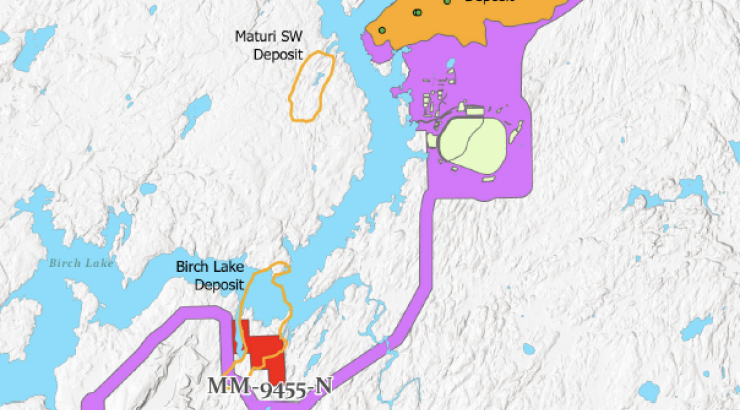
- JAN 2023 | Department of Interior signs Public Land Order 7917, withdrawing approximately 225,504 acres of the Superior National Forest from mineral and geothermal leasing for a 20-year period, including watersheds that flow into the Boundary Waters and beyond. The Department of the Interior follows all requirements for congressional reporting under FLPMA, as statutorily required.
- JAN 6, 2026 | The Department of the Interior, under the Trump administration, formally notifies both Houses of Congress in writing regarding the 2023 Public Land Order withdrawing 225,504 acres of the Superior National Forest from mineral and geothermal leasing.
- JAN 12, 2026 | Rep. Pete Stauber introduces bill, H.J. Res. 140, a Congressional Review Act (CRA) disapproval resolution. If approved by Congress and signed by the president, it would reverse the Biden administration's 2023 Public Land Order that established a 20-year mining ban protection in northeastern Minnesota and bar any substantially similar action from being taken by a future Administration.
- JAN 20, 2026 | H.J. Res. 140 considered by the House Committee on Rules, ordered reported, and made in order for consideration on the House floor pursuant to a rule.
- JAN 21, 2026 | The House of Representatives passes H.J. Res. 140, and the measure moves to the Senate for further consideration.
- APR 2026 | The Congressional Resolution deadline runs out towards the end of April.
Take Action:
For those of us in Minnesota — here’s what you can do:
- Keep calling Senators Amy Klobuchar and Tina Smith – they’re both opposed to this bill, and you can thank them for their work.
- Then help your friends and family in other states call their Senators - use our Action Center for a script and numbers.
Don’t forget that the Minnesota Legislature is back in session. Send a message to your state-level lawmakers - there’s never been a more important time for them to support and work to pass the proposed state bill for permanent protection of the Boundary Waters watershed.
More ways you can take action:
Contact your senators directly – Keep letting them know this matters to you. You can find the latest contact info and suggested messaging here: Action Center.
- Share with your network – Tell your friends, family, and neighbors via social media, email, or text. Personal messages are incredibly powerful.
- Write a Letter to the Editor – Local papers pay attention when constituents speak up. Your voice can reach hundreds or thousands in your community.
- Support financially if you’re able – Monthly donations provide reliable support that helps us protect the Boundary Waters all year long. Every contribution, big or small, fuels action.
- Stay engaged – sign up for action alerts so you know when your voice can make the biggest difference.
- Share with your network – Tell your friends, family, and neighbors via social media, email, or text. Personal messages are incredibly powerful.