Sigurd Olson: champion for Wilderness protection
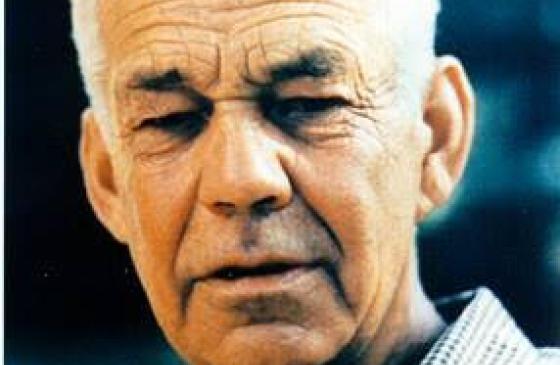
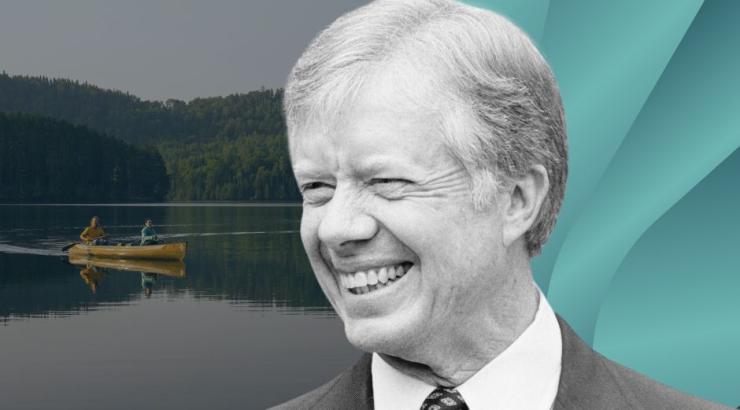
Sigurd Olson is a legend among conservationists, paddlers, and those who love Canoe Country. He was one of the most influential advocates for protecting the Boundary Waters Canoe Area Wilderness. Through his writing and activism, he played a major role in pushing for its preservation as a federally designated wilderness in northeastern Minnesota.
It’s probably not enough to say that Sig, as he was known, loved northern Minnesota. Born in Chicago 127 years ago, on April 4, 1899, he later moved with his family to northern Wisconsin, where he grew up. Eventually, he made his way to Minnesota, where he worked as a teacher. For most of his adult life, he lived and worked on the doorstep of the wild landscapes of the Quetico-Superior region. The ‘Singing Wilderness,’ as he called it, would ultimately inspire him to urge lawmakers and anyone who would listen to protect and defend it.
Sig’s first foray into what would eventually be established as the Boundary Waters Canoe Area Wilderness (BWCA) happened when he was 22. In June of 1921, he took his first canoe trip, which made a deep impression on him. This marked the beginning of many future adventures in the Boundary Waters and in Quetico Provincial Park to the north. He and his wife, Elizabeth, eventually settled in Ely, where he taught at the local high school and junior college for nearly 20 years. He also worked as a canoe guide and later bought the outfitting business where he had been employed.
He wrote about his time spent exploring the Quetico-Superior region, so much so that he published eight books and wrote numerous articles and letters about this unique landscape. His writing, paired with his deep involvement in national conservation groups, placed him in a unique position to advocate for wilderness protection not just locally but also in Washington, D.C. He served as an ecologist for the Izaak Walton League of America and held leadership roles with both the National Parks Association and The Wilderness Society, eventually becoming president of each. He also advised the National Park Service and the Secretary of the Interior for over a decade, helping shape federal wilderness policy during a pivotal time. Sig used his voice and influence to write, lecture, and tirelessly champion the creation of a protected wilderness, opposing efforts to exploit the land through logging, mining, and the pressures of resorts and commercial fishing.
A Wilderness in the making
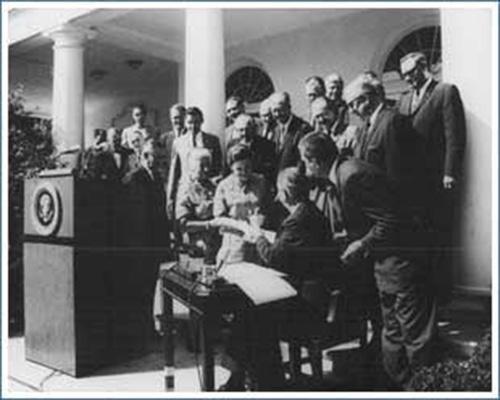
Eventually, due in part to his endless involvement and commitment to preservation, Congress passed the Wilderness Act in 1964. That act, which Sig helped draft, defined wilderness as “an area of undeveloped Federal land retaining its primeval character and influence, without permanent improvements or human habitation, which is protected and managed so as to preserve its natural conditions…”.
Today, that act protects more than 111 million acres across 806 wilderness areas in 44 states.
Still, conservationists like Sig continued to raise concerns about how the Boundary Waters was managed, allowing activities such as logging, mining, snowmobiling, and motorized boats. This led to the passage of the Boundary Waters Act of 1978, a milestone achievement, which restricted incompatible uses and added 50,000 acres to the Boundary Waters.
These new protections represent the culmination of Sig and others’ dedicated efforts to preserve this pristine landscape. The Boundary Waters Canoe Area Wilderness, the place he had long envisioned as a “spiritual necessity, an antidote to the high pressure of modern life, and a means of regaining serenity and equilibrium”, had finally become a reality for future generations to enjoy.
His work still resonates today, serving as a reminder that the effort to protect the Wilderness and its surrounding landscape is far from complete. Today, we continue to fight against a proposed sulfide-ore copper mine that is slated to be built right outside the Boundary Waters and in its watershed. We know Sigurd would have fiercely opposed it. He fought against the development of copper mining in the 1970s when mining interests sought to submit a lease to extract copper-nickel near the Wilderness. The lease was denied.
In a letter to lawmakers regarding mining, he stated, “I explained the conservationists' concern over any copper-nickel development and what might happen to the Kawishiwi watershed, including Fall Lake, Basswood, and Crooked-La Croix—not to mention the blight of a possible refining operation in the future…”
He also said that the Wilderness Act was a “last chance to preserve the Wilderness on this continent, for we are on the verge of an era where the pressures to destroy or change it will become greater than anything we have ever experienced.”

We are more than visitors to this Wilderness—we are its stewards
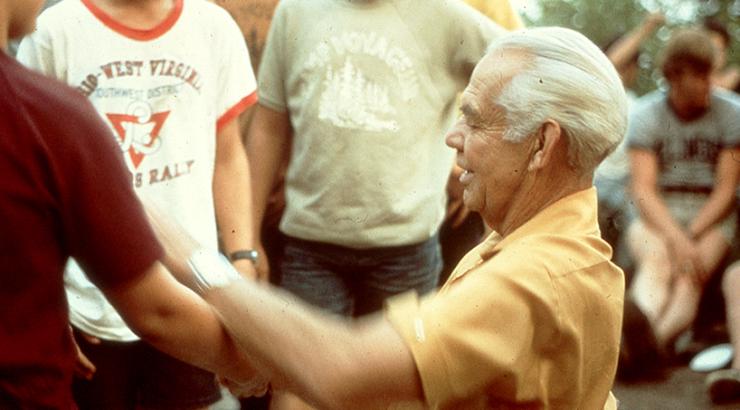
Becky Rom, national chair and board member of Save the Boundary Waters, grew up around Sig. Her father, Bill, who would also leave a lasting impact on Ely and the wilderness, met Sig while he was a student at the junior college. Reflecting on her memories of him, Rom said, “Sig loved the woods and the natural world. Through talent and perseverance, he mastered the art of translating what was in his heart into the written word. But his greatest gift to the world was to recognize that he had to protect wild lands. He succeeded magnificently. But where he ended, we must begin.”
Although Sig’s journey ended in 1982, his vision for the Boundary Waters endures
Olson said he knew that the Wilderness and its watershed would only continue to be protected by the actions of future generations. We are that future generation. While mining interests continue to fight to build a sulfide-ore copper mine near the Boundary Waters, we continue to lean into the legacy that Sigurd started. He reminded us over and over that when we save the Wilderness, we save the human spirit. If a copper-nickel mine were built, it would forever reverse decades of tireless work by environmental leaders like Sig. These serene waters, cherished for their quiet solitude, would be changed forever.
We must continue safeguarding the watershed that feeds into the Boundary Waters Canoe Area Wilderness and beyond. Every voice matters, and every action counts. You can help carry forward the lasting legacy of protecting the Boundary Waters.
Sigurd Olson's Listening Point
Video used with permission from Claudia McBride.
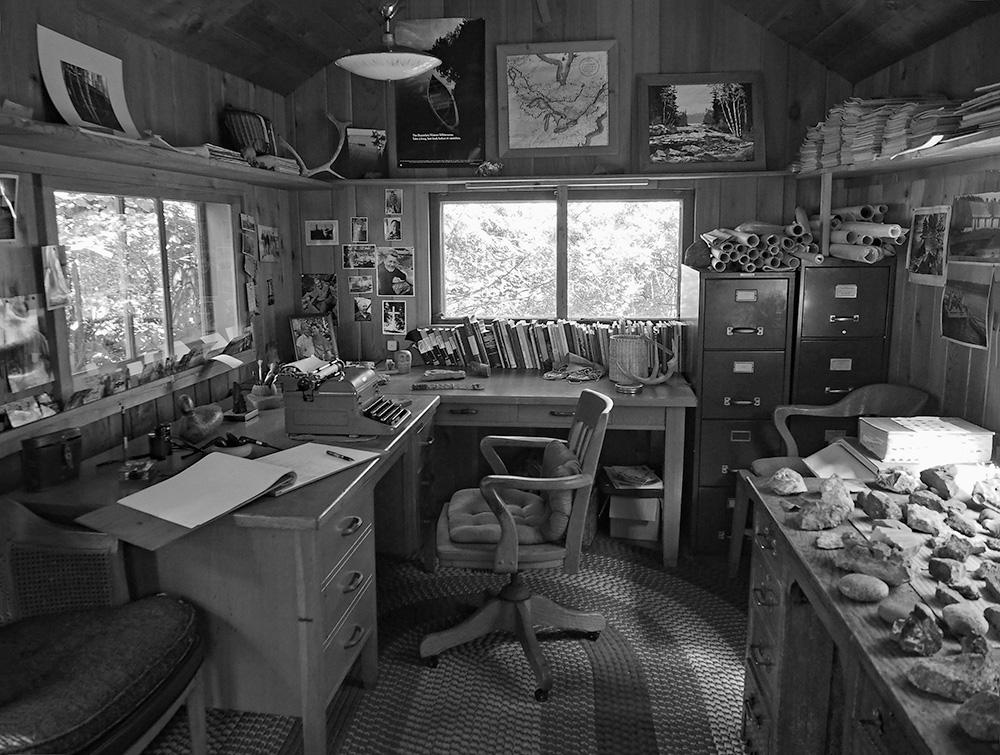
The Listening Point Foundation is a 501 (c) (3) nonprofit organization based in Ely, Minnesota, founded in 1998. It is dedicated to preserving the legacy and wilderness philosophy of author and conservationist Sigurd F. Olson, specifically by maintaining his “Listening Point” property on Burntside Lake. We work to preserve the historic integrity of those places such as his cabin, his writing shack and his home as well as other entities in Ely, MN. The Listening Point Foundation is listed on the National Register of Historic Places for its national significance.
For more information, contact us at info@listeningpointfoundation.org.