The latest on the bill threatening the Boundary Waters
Hello from DC —
It’s Day 35 of waiting for the Senate to decide the fate of the Boundary Waters Canoe Area Wilderness.
I’ve been in Washington for the past week and a half, working the halls of Congress to stop the passage of devastating legislation (HJ Res. 140) that would open up the watershed of the Boundary Waters to copper mining.
And this week, there’s one important update: There was no Senate vote. But a week without a vote is a good week. It means another week that the Boundary Waters watershed remains protected.
You deserve to know exactly what’s happening and what’s at stake. The vote could come with very little warning. Not today. Probably not tomorrow. But when it comes, we have to be ready.
The legislation:
- HJ Res. 140 would undo the 20-year mining ban that safeguards the Boundary Waters watershed from copper mining.
- Prevents future administrations from using the same safeguards on the Boundary Waters that are currently in place.
- Sets a dangerous precedent for rolling back protections for public lands across the country using the Congressional Review Act. Under the Congressional Review Act, Congress has 60 legislative working days to vote on HJ Res 140 - and that “clock” runs out at the end of April. This resolution passed the U.S. House in January; now it's with the Senate.
- We usually only get 24-48 hours' notice when it’s put on the vote schedule.
This week's action:
-
Keep calling your Senators. Tell them to vote NO on HJ Res. 140.
-
Forward this email to ONE friend who does NOT live in Minnesota and make sure they call their Senators. This vote affects the entire country. The proposed mining area is federal and state land.
Myth-busting (#1 of too many)
MYTH: The proposed copper mine wouldn’t affect the Boundary Waters because it isn’t inside the Wilderness.
Mining proponents keep repeating what we all know: “The mine isn’t inside the Boundary Waters.” Of course. We have never said that, but it doesn’t mean that toxic pollution wouldn’t irreparably harm the Boundary Waters. These anti-Wilderness decision makers are using this to negate and dismiss concerns about polluting the Wilderness.
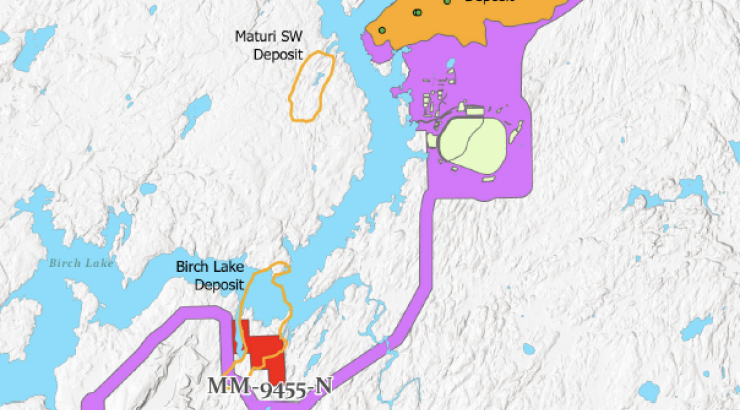
FACT: The mine would sit less than one mile from the Boundary Waters — in the same watershed.
We know that the copper mine would not be inside the federally protected Wilderness Area of the Boundary Waters. But the mine would be in the SAME watershed as the Boundary Waters.
Water flows north in this watershed (via the Laurentian Divide) – that means pollution from the mine would flow directly into the Boundary Waters, and downstream to Voyageurs National Park and Canada’s Quetico Provincial Park.
Location matters. Watersheds matter.
Inspiration of the week:
All of your hard work is paying off. More than 60,000 people have sent over 119,000 messages to Congress through our Action Center so far this year, and even more have made calls.
Media roundup
- Opinion piece from Patagonia’s CEO in The Hill from today: “When lawmakers resort to a loose interpretation of a rarely used law to open public lands to mining, we need to call it what it is: desperate.”
- Stauber’s tall tales in The Timberjay
- Letters from an American by Heather Cox Richardson