House committee works to hand over leases to Twin Metals
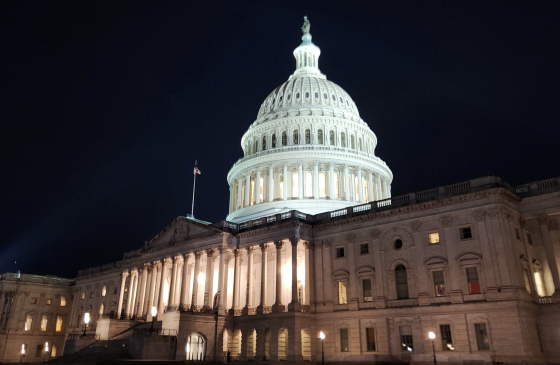
On June 3, 2026, the House Appropriations Committee passed the FY27 Interior and Environment Appropriations Act out of committee, which includes language that would reinstate two federal mineral leases sought by Twin Metals for a proposed copper-nickel mine in the Boundary Waters watershed that were found to have been unlawfully reinstated in 2018.
The bill is expected to reach the House floor in the coming weeks. While previous votes have shown that the House of Representatives does not currently have a Boundary Waters majority, we remain hopeful that this provision could be removed in the Senate thanks to our Boundary Waters Champions, as similar language was in last year’s budget bill.
We are thankful to the leadership of Rep. Betty McCollum, who continues to be a Boundary Waters Champion in the House. In committee, she voiced, “It makes no sense to put our waters at risk for the benefit of Chilean billionaires.”
Proponents of this legislation claim it will “reduce our reliance on foreign countries for critical minerals” and bolster national security. But Antofagasta, Twin Metals’ parent company, sends all of its copper concentrate overseas, where it is processed for free with state-owned copper smelters in China. Antofagasta will ship any ore concentrates mined in Minnesota directly to China for processing, where the copper will be used to support Chinese mineral and energy dominance, further sidelining American jobs and economic priorities.
What are these leases, and why do they matter?
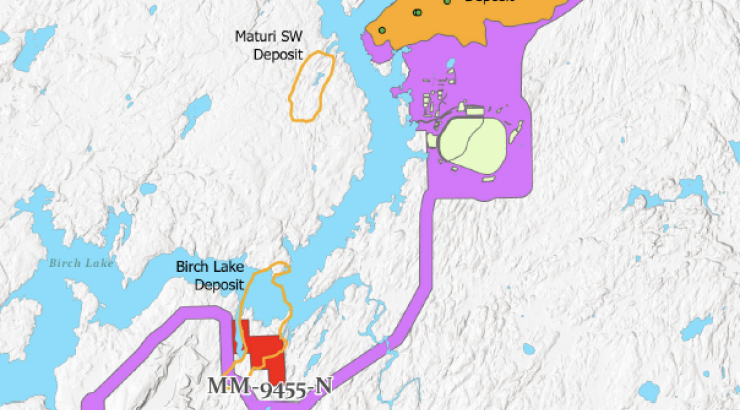
The two leases (MNES-01352 and MNES-01353) are located in the Superior National Forest near Birch Lake, upstream from the Boundary Waters Canoe Area Wilderness. Twin Metals needs these leases, in addition to state-owned leases, to proceed to build a toxic copper-nickel mine in the Boundary Waters watershed.
The language of these leases allowed the Obama Administration to deny their renewal in 2016. In 2018, the first Trump administration unlawfully reinstated the leases. After a lengthy environmental review process spanning multiple administrations and a return to long-standing legal precedent, the Biden administration canceled the leases in 2022, concluding that sulfide-ore copper mining in this watershed posed unacceptable risks to the Boundary Waters. In 2023, a 20-year mining ban (also known as a mineral withdrawal) was ordered to protect approximately 225,000 acres of federal land and waters in the Boundary Waters watershed from hardrock mining. That protection was overturned earlier this year through the Congressional Review Act and signed into law in April 2026. Read more here.
Twin Metals does not have automatic rights to these mineral leases.
Supporters of the mine often frame it as "returning" leases to Twin Metals, but the company never legally held automatic rights to these leases to begin with. Legal precedent across both Republican and Democratic administrations has consistently found that the company does not have an automatic right to lease renewal. The leases expired decades ago, and federal agencies have repeatedly determined that renewal is discretionary, not guaranteed. In other words, this legislation would not be restoring existing rights, it would be directing federal agencies to grant leases that Twin Metals does not currently hold.
What happens if the leases are reinstated?
Even if Congress forces the leases to be reinstated, Twin Metals still needs to go through a long permitting process involving multiple agencies at the federal and state levels. The company would need to submit detailed mine plans and undergo extensive federal and state environmental review. Agencies would evaluate impacts to water quality, wildlife, wetlands, public health, and the Boundary Waters ecosystem. The process would include scientific analysis, public comment periods, and multiple permit approvals.
Unfortunately, the federal government is actively working to undermine and weaken core environmental regulations and processes, such as the National Environmental Policy Act (NEPA) and the Clean Water Act. Both are critical to ensuring that environmental review processes are thorough, valid, and allow for enough time to engage in the often complicated and always important questions that arise. So, although there are many steps between where we are today and a Twin Metals mine being built, in part due to the processes the project will have to go through to be permitted, there are substantial concerns that the gutting of bedrock environmental laws and policies of the United States will mean that environmental review will not be enough to protect the Boundary Waters.
What’s next?
The recent House committee vote is only one step in the federal budget process. The legislation must still pass the full House and Senate before becoming law.
For now, Twin Metals still does not have the mineral leases it needs to move forward. However, this language represents the latest attempt by some federal lawmakers to override years of scientific findings, environmental reviews, and public opposition to advance a mine proposal next to the Boundary Waters.
The fight to protect the Boundary Waters is far from over. We need you to stick with us. Learn more about how you can stay involved.