Finding Pride outdoors: Queer canoe trip in the Boundary Waters
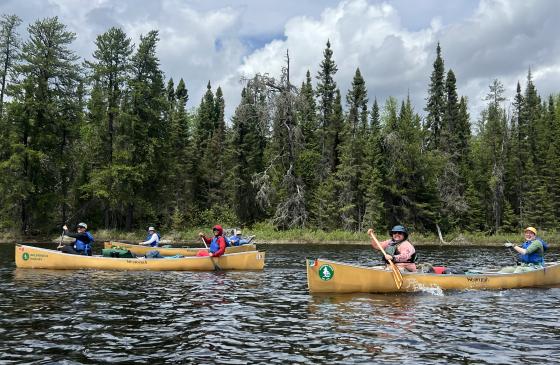
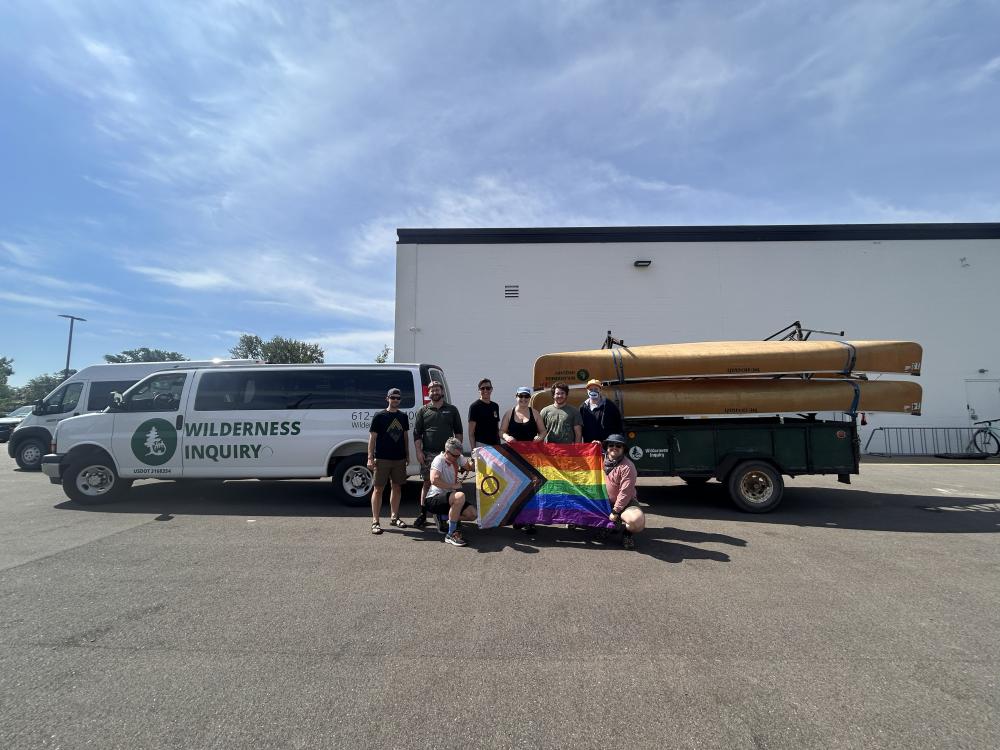
For two years, we've supported a Boundary Waters Canoe Area Wilderness adventure with The Venture Out Project. The organization provides outdoor adventures and skill-building opportunities to people who identify as LGBTQIA+.
This year, they partnered with Wilderness Inquiry to create a canoe camping trip for first-time participants. Read more about their experiences and reflections. Learn more about our Wilderness Equity Initiative Program.
Part One
One of their guides, Max, reflects on the experience.
When people think about barriers facing LGBTQIA+ communities, experiencing the wilderness isn't always the first thing that comes to mind. But for many queer and trans+ people, outdoor spaces can feel just as inaccessible as any other institution. There are financial barriers, knowledge barriers, and often an unspoken culture of gatekeeping that can make it difficult to imagine yourself belonging in places like the Boundary Waters Canoe Area.
That's one of the reasons this trip mattered.
This summer, Wilderness Inquiry partnered with The Venture Out Project to offer a queer-centered BWCA experience led by and for LGBTQIA+ people. As one of the guides, I had the privilege of watching participants paddle into the Boundary Waters for the first time, many carrying both excitement and uncertainty about what the experience would hold.
The BWCA is often talked about as a place everyone can enjoy, but the reality is that access doesn't automatically create belonging. Many of us have received messages—directly or indirectly—about who "belongs" in the outdoors. We see it in marketing, in outdoor culture, and in the stories that get told about wilderness recreation. For queer and trans+ people, it can be difficult to find spaces where you don't have to wonder whether you'll be welcomed, understood, or safe.
This trip was created to answer that question with a resounding yes.
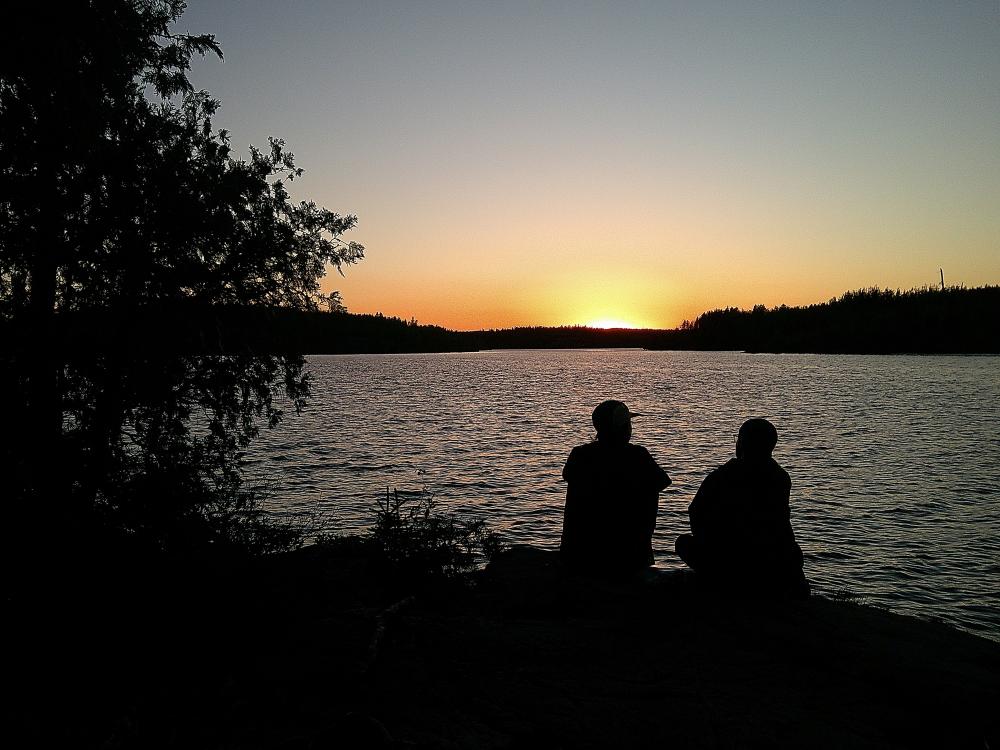
Something powerful happens when people no longer have to spend energy explaining themselves. Around campfires, on portages, and in canoes, participants could simply show up as themselves. Conversations flowed easily. Laughter came often. People shared stories about their lives, their identities, and their relationships to the outdoors. What stood out most wasn't that the trip was focused on queerness—it was that queerness didn't have to be the focus. It could simply exist.
Throughout the week, I watched participants gain confidence in wilderness travel skills, push through challenges, and discover strengths they didn't know they had. But I also watched something deeper happen. I watched people claim space in a landscape where they may have never imagined themselves before.
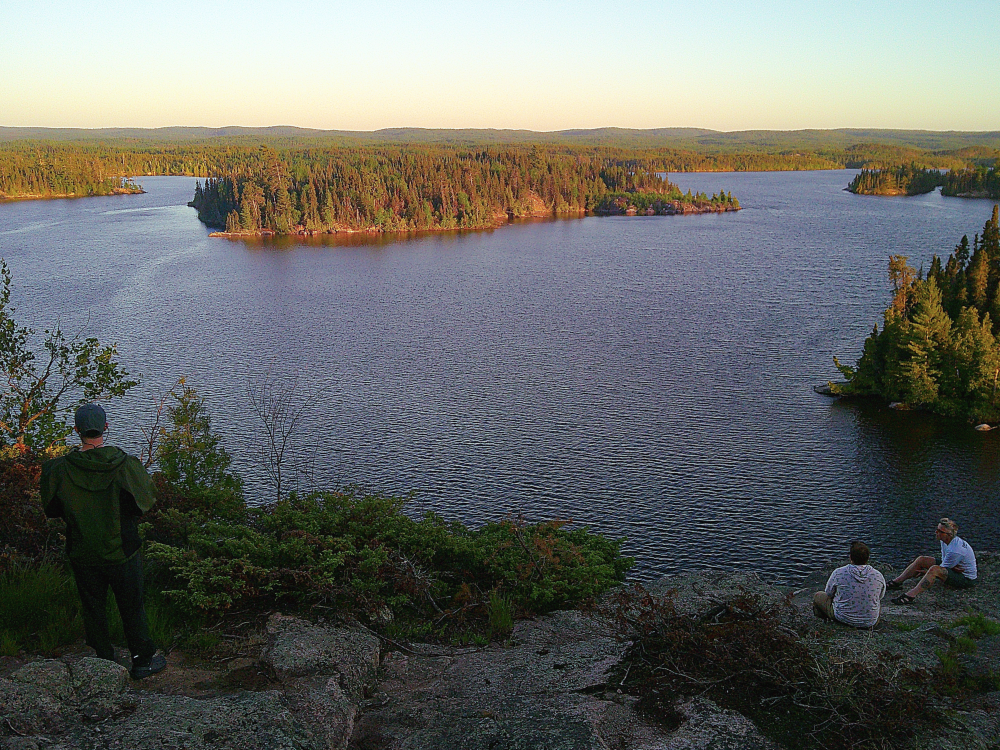
Was there a moment when you felt particularly connected to the land, water, or environment around you?
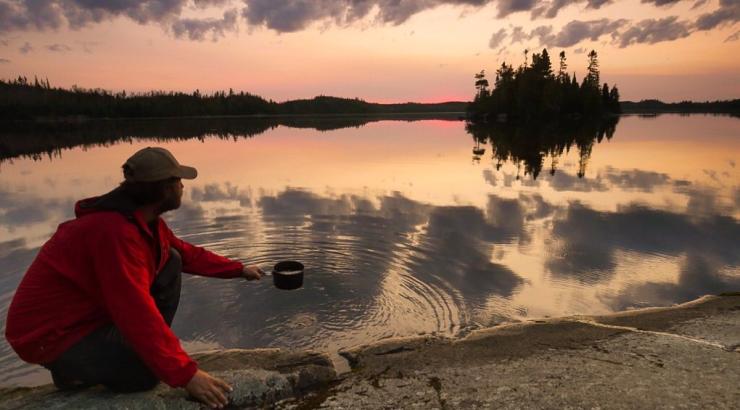
"In the final morning, we held space for a silent paddle. The silence paired with calm, still waters was a special moment, and hearing the paddles enter and leave the water in unison is something I will carry with me." -Participant
What did safety, belonging, or affirmation look like for you on this trip?
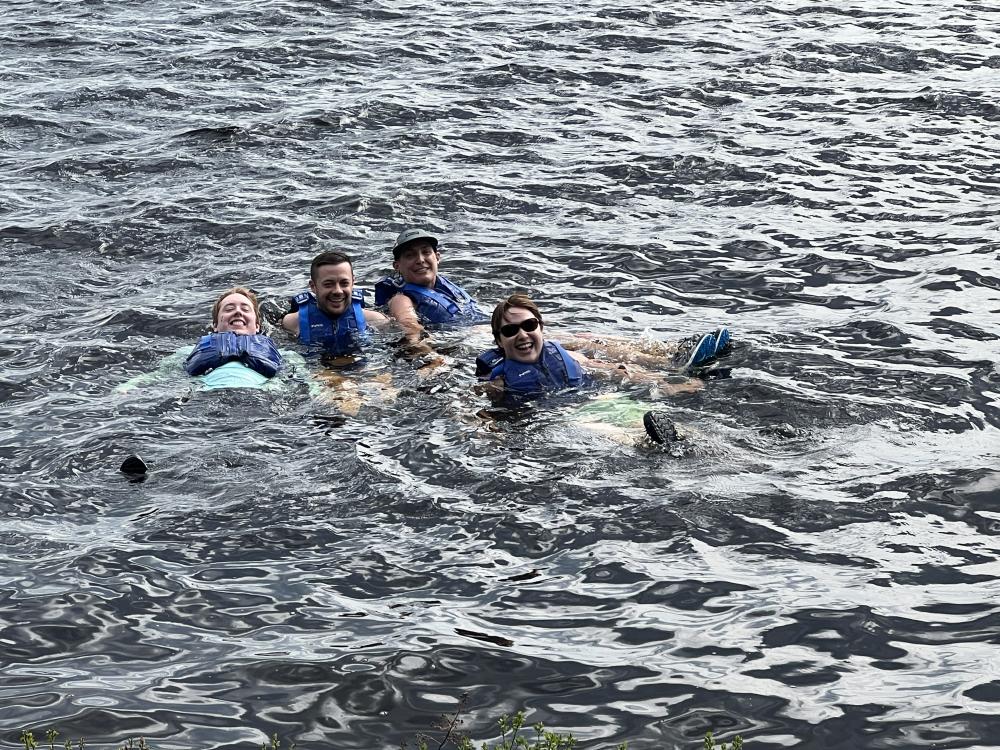
"Safety looked like jumping into the water without thinking twice about my body and what others thought about it. It meant knowing with my whole self that I could make choices based on joy and curiosity rather than fear." - Participant
"It meant feeling comfortable and embraced when I asked for help." - Participant
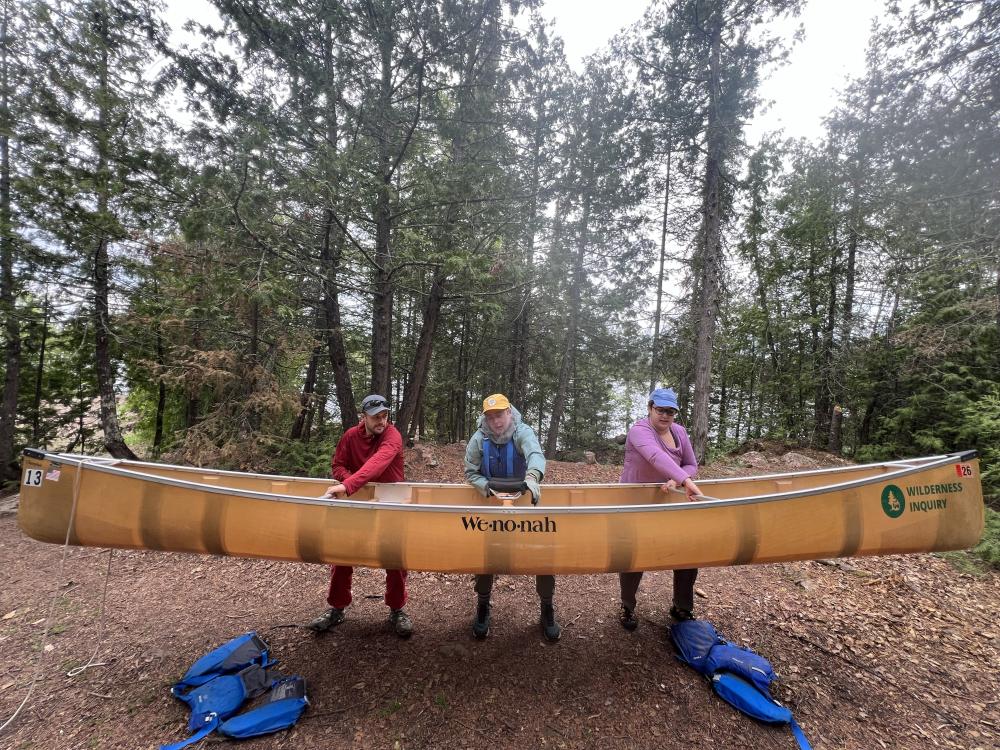
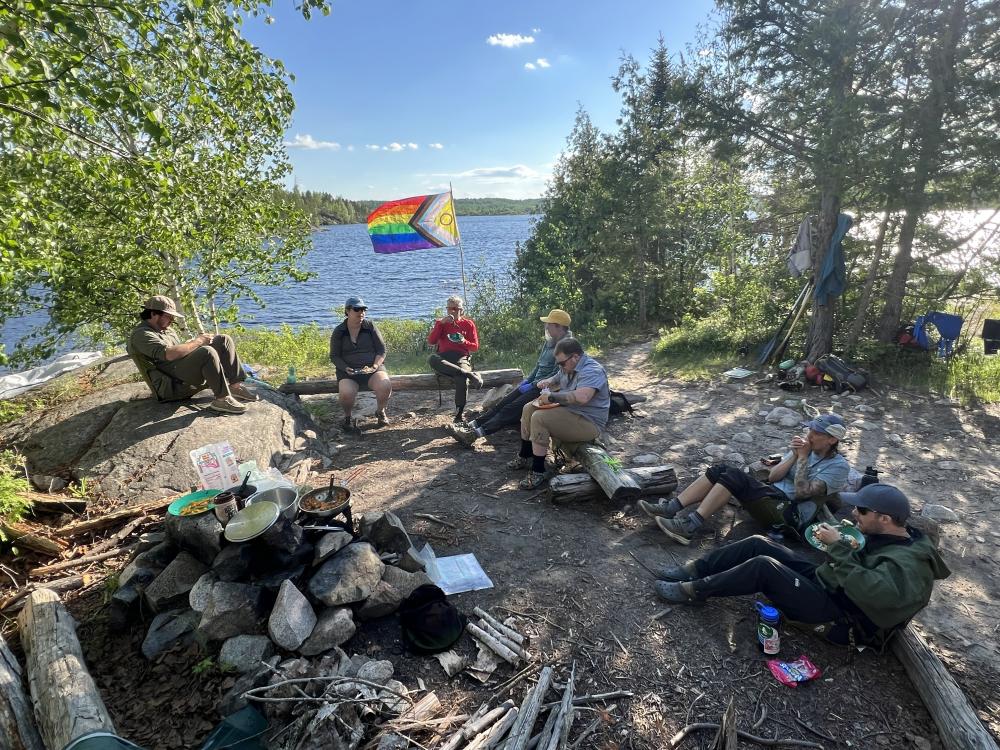
The Boundary Waters belongs to all of us. Yet too often, access to places like this is shaped by who has been invited, who has been represented, and who has been made to feel welcome. Queer-specific trips help bridge that gap. They create pathways into outdoor recreation, build community, and remind people that they don't have to change who they are to experience the joy, challenge, and wonder of wilderness.
As guides, our goal wasn't just to teach paddling strokes or camping skills. It was to help create a space where people could experience the BWCA free from the pressures that often accompany navigating the world as a queer or trans+ person. The hope is that participants leave not only with new outdoor skills, but with the confidence to continue exploring wild places—whether that's returning to the Boundary Waters, leading trips of their own, or simply feeling a deeper connection to the outdoors.
Reflecting on the week, I'm reminded that representation isn't just about visibility. It's about possibility. When people see others like themselves thriving in outdoor spaces, new doors open. New traditions begin. New communities form.
That's why trips like this matter. Not because queer and trans+ people need a different wilderness experience, but because everyone deserves the opportunity to experience wilderness while feeling like they belong there.
And in the Boundary Waters, belonging can be just as transformative as the landscape itself.
Was there a moment when you felt particularly connected to the land, water, or environment around you?
"In the final morning, we held space for a silent paddle. The silence paired with calm, still waters was a special moment, and hearing the paddles enter and leave the water in unison is something I will carry with me." -Participant
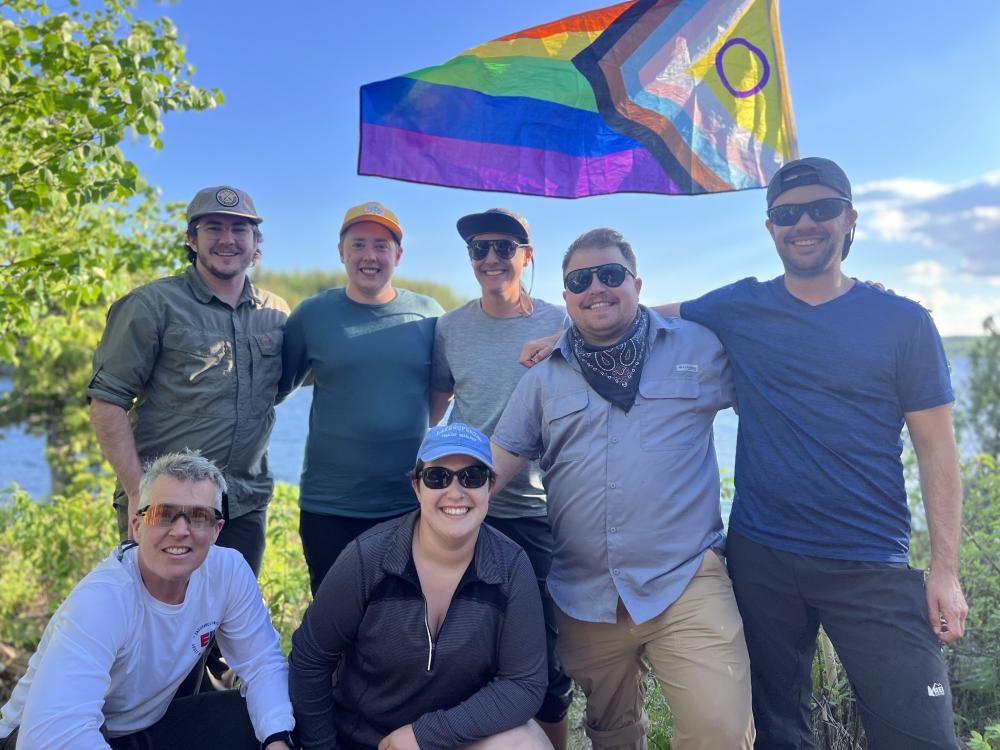
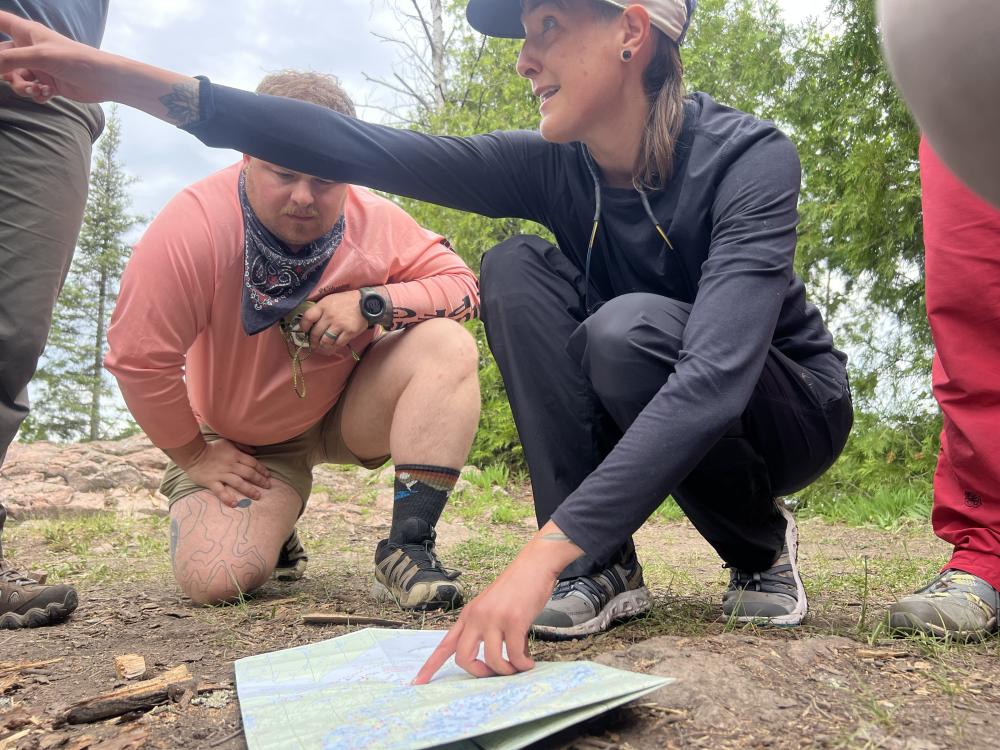
What would you tell another queer or trans+ person who is considering a BWCA trip for the first time?
"There’s no wrong way to experience the BWCA. Are there ways that will make your trip more enjoyable? Sure. Are there ways that will make your trip more comfortable? Absolutely! But don’t let systems of capitalism stand in your way. The first time I went on a BWCA trip, I literally packed my gear and clothes in plastic totes. That trip we base camped. I was so nervous to ‘perform’ so that I didn’t look like an obvious rookie. But at the end of the day, everyone going to the BWCA is looking for the same thing - solitude, groundedness, and to disconnect from life." - Participant
How confident/excited do you feel about participating in another wilderness trip after this experience?
"Each time I have the privilege of taking newcomers to the BWCA, I’m reminded of how essential trips like this are. Like, what could it look like to be a queer-owned outfitter? Or be someone who leads and facilitates exclusively queer and trans+ wilderness trips? It’s a scary thought, because we’re taught to believe the need for these spaces isnt important or needed. But trips like these prove just how needed they truly are." - Participant
Read more at Part Two!
(Photos: Max, Tyler, and Kelly)