MN DNR approves Twin Metals’ exploratory drilling plan
The Minnesota Department of Natural Resources has approved Twin Metals’ exploratory drilling plan. This decision is very concerning, but a mine is far from being built. However, it is a reminder of the need for stronger state protections for the Boundary Waters watershed.
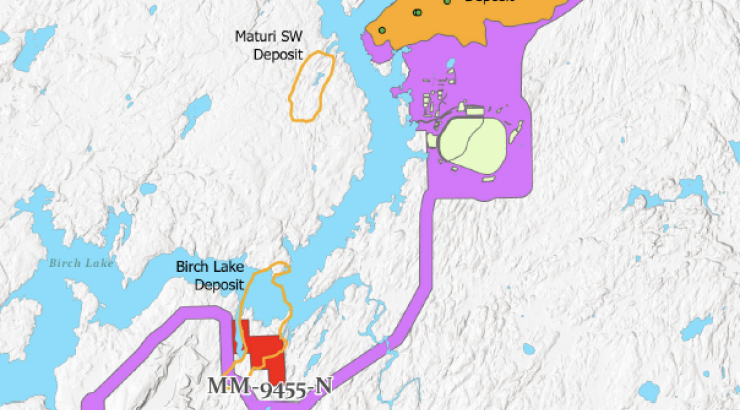
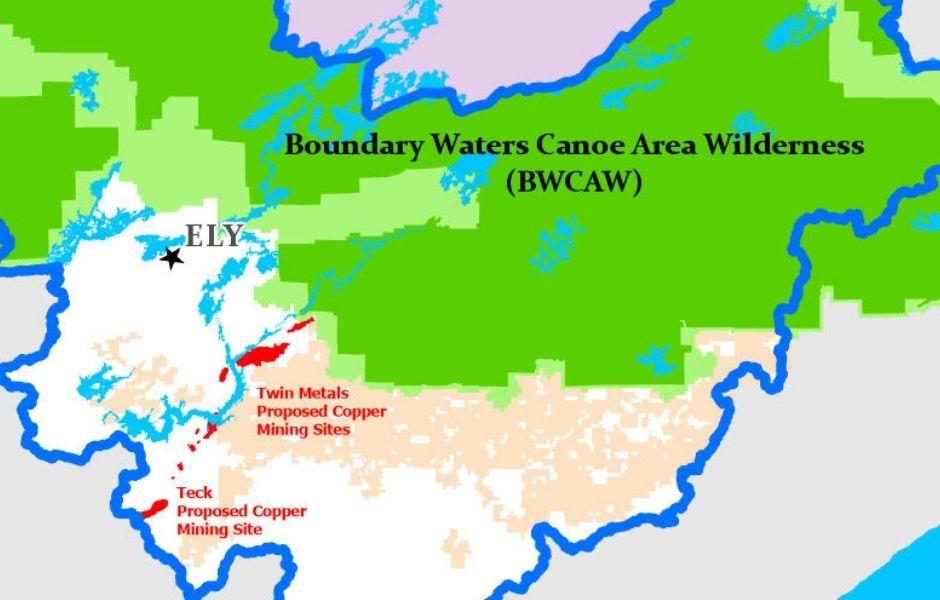
In late December 2025, the Minnesota Department of Natural Resources (DNR) approved Twin Metals’ subsidiary Franconia Minerals’ application for exploratory drilling leased on state lands covering part of the “Birch Lake deposit,” south of the initial Twin Metals’ mine plan location. Franconia’s exploratory drilling plan shows Antofagasta and its subsidiaries continuing to shift their attention to mining directly beneath Birch Lake. Birch Lake is one of the most popular recreational lakes outside of the Boundary Waters, and one that flows directly into the Wilderness.
Northeastern Minnesotans for Wilderness (NMW) urged the DNR not to approve this plan. This dangerous drilling plan serves as an important reminder: every time Twin Metals advances exploratory drilling, it’s another warning that without permanent protection, the Boundary Waters remains vulnerable to toxic mining.
In response to this proposal, NMW submitted a letter of objection to the commissioners of the DNR and the Minnesota Pollution Control Agency (MPCA), arguing that this exploratory drilling proposal should not be approved because:
1. There is an ongoing lawsuit
Copper mining in this very same area is currently the subject of pending litigation against the DNR. The process should not be short-circuited.
In June of 2020, Northeastern Minnesotans for Wilderness, which leads Save the Boundary Waters, sued the DNR under the Minnesota Environmental Rights Act (MERA), arguing that Minnesota’s rules on where one can conduct hardrock mining (not taconite or iron-ore mining) are insufficient to protect the Boundary Waters from the harmful effects of noise, light, air, and water pollution.
As a part of this process, the DNR released Findings of Fact, Conclusions of Law, and Order on May 31, 2023, in which it determined that Minnesota’s regulations on noise and light were indeed inadequate to protect the Boundary Waters from mining activities in the Rainy River-Headwaters watershed and ordered rulemaking to expand the State’s Mineral Management Corridor within which mining-related surface disturbance is prohibited. That process is ongoing.
By demanding that DNR approve exploratory drilling in the watershed before the lawsuit’s administrative proceedings have concluded, Twin Metals is essentially requiring DNR to preempt the ongoing lawsuit.
2. Light and Noise Pollution
Twin Metals’ exploratory drilling will cause the very same types of pollution that the DNR determined Minnesota’s rules do not sufficiently address and require amendment: light and noise pollution.
The exploratory drilling now proposed would create distinctive and persistent noise, some of which would be audible more than 14 miles away, polluting, impairing, and destroying a key characteristic of the Boundary Waters.
In 2020, acoustic ecologist Gorgon Hempton identified the Boundary Waters as one of fewer than ten places left in the United States where visitors can escape from the constant noises of civilization for more than 15 minutes.
The exploratory drilling would also harm special features on and around Birch Lake. These include two federal campgrounds on the shore of Birch Lake and the South Kawishiwi River, Camp Northern Lights YMCA camp, Voyageur Outward Bound School (VOBS) on the South Kawishiwi River, and a set of at least 14 dispersed backcountry water-access campsites on the shores of Birch Lake and the South Kawishiwi River.
Exploratory drilling can and often does continue 24 hours a day for months and seasons on end, a scar on the natural soundscape and the hearing and quality of life for all within earshot. This exploratory drilling plan is slated to begin in 2026 and continue until March of 2027.
In addition to noise pollution, drill pads would cause light pollution. Drilling around the clock necessitates industrial lighting equipment at the Franconia drill pads, half of which would be on or adjacent to the Birch Lake shoreline.
3. Further Water Pollution
This exploratory drilling will also contribute to already unacceptably high levels of sulfate and mercury present in Birch Lake.
Allowing Twin Metals’ exploration plan to proceed would likely result in water pollution of Birch Lake and water flowing to Birch Lake, which would contribute to the existing impairments of Birch Lake for sulfate and mercury in fish tissue.
Birch Lake is a wild rice water impaired by sulfate. Our data demonstrating such impairment has been received and accepted by the MPCA, and as a result, the Environmental Protection Agency officially added Birch Lake to its list of impaired waterbodies in May of 2023. Activities that increase the pollutant reaching a waterbody already impaired by that pollutant are said to cause or contribute to the waterbody’s impairment, a violation of the Clean Water Act.
Despite this, the exploratory drilling plan was approved with minimal requirements related to water quality.
Our ongoing lawsuit, water quality monitoring program, and state advocacy efforts are critical to ensure permanent protection for the Boundary Waters Canoe Area Wilderness and its watershed from dangerous sulfide-ore copper mining and all of the activities that precede that mining, such as exploratory drilling.
You can make a difference - by making a contribution today, you support the multi-pronged strategy required to protect the Boundary Waters.
Contact your elected officials and tell them to stand up for the Boundary Waters by supporting permanent protection legislation which would ban copper mining on state land in the watershed of the Boundary Waters. Take action now!