Layer up for winter adventures
Northern Minnesota is a winter adventurer’s paradise. It’s the silent season, when snow blankets the pines, ice spreads over lakes, and long rays of daylight paint the landscape in beautiful shades of pink and purple. Visitors come from near and far to experience the magic of the winter woods through skiing, snowshoeing, winter camping, and more.
But along with the beauty comes the reality of winter: frigid temperatures, plenty of snowfall, and conditions that can change quickly. But along with the beauty comes the reality of winter: frigid temperatures, plenty of snowfall, and conditions that can change quickly. Plan ahead so you stay safe and dry. We’re sharing layering tips for almost any winter adventure.
Check out our guide below to layering for winter fun!
One key thing to remember: everyone has their own thermostat. What works for you might not work for someone else. Test your gear ahead of time, and remember that wearing layers gives you options to adjust so you stay “just right.”
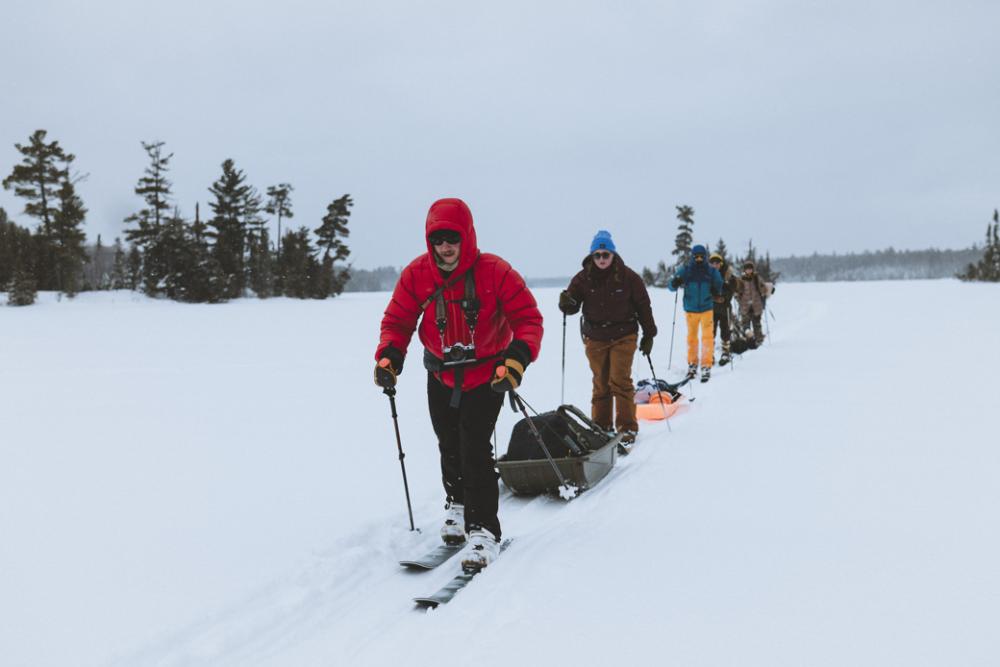
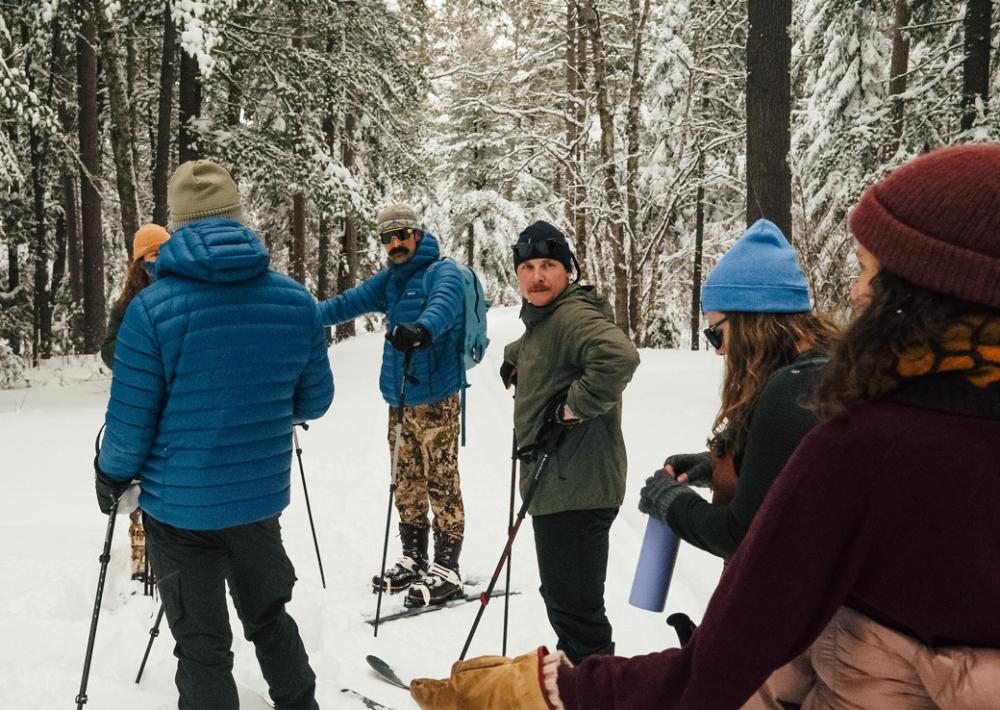
Here are a few cold-weather tips that apply to just about any winter activity.
-
Carry a day pack. Bring a pack along on your adventure so you have a place to stash extra clothing and other essentials. Don't forget water and a thermos of cocoa!
-
Start out cool. We know this is easier said than done, but try to find that sweet spot where you're not too hot or too cold. You want to stay just a little cool. This helps prevent sweating, a winter adventurer's nemesis. Remember, you'll stay warmer while moving than when standing or sitting around.
-
Remove layers before you sweat. Peel off clothing as soon as you start to feel warm, rather than waiting until you're sweating. That said, everyone perspires a little, and some fabrics wick away moisture better than others. More on that below!
-
Wear loose-fitting layers. Loose clothing helps trap warm air between layers, providing better insulation. Your outer layers may need to be one or more sizes larger than your usual clothing.
-
Bring something to sit or stand on. A small foam pad provides insulation from the cold ground and is much warmer than sitting or standing directly on the snow.
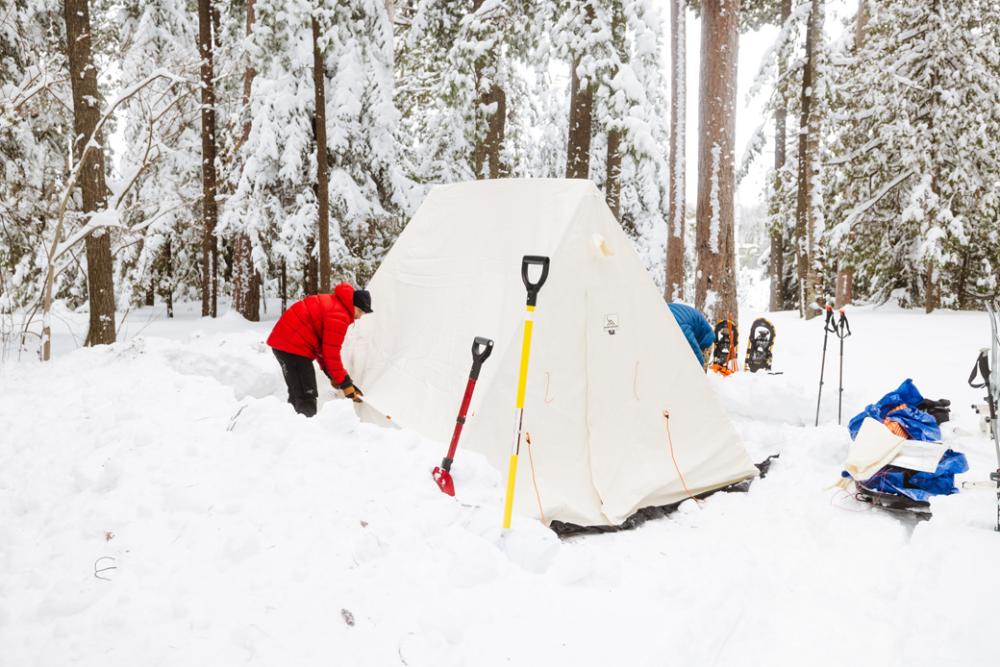
Layering for winter adventures!
Ok, now let’s get to the nitty-gritty. Staying warm outdoors starts with dressing in layers. The right combination will depend on your activity, the weather, and how long you plan to spend in the woods. Here's how to build your layers from the inside out.
- Start with a base layer. This is the layer closest to your skin. Choose a top and bottom made from merino wool or synthetic blends. These fabrics provide warmth while wicking moisture away from your body. This is the one layer that should fit relatively snugly.
- Add a mid layer. Your mid layer provides additional insulation. You may need more or less insulation depending on activity. Choose a loose-fitting top and bottom made from wool, fleece, or synthetic fibers.
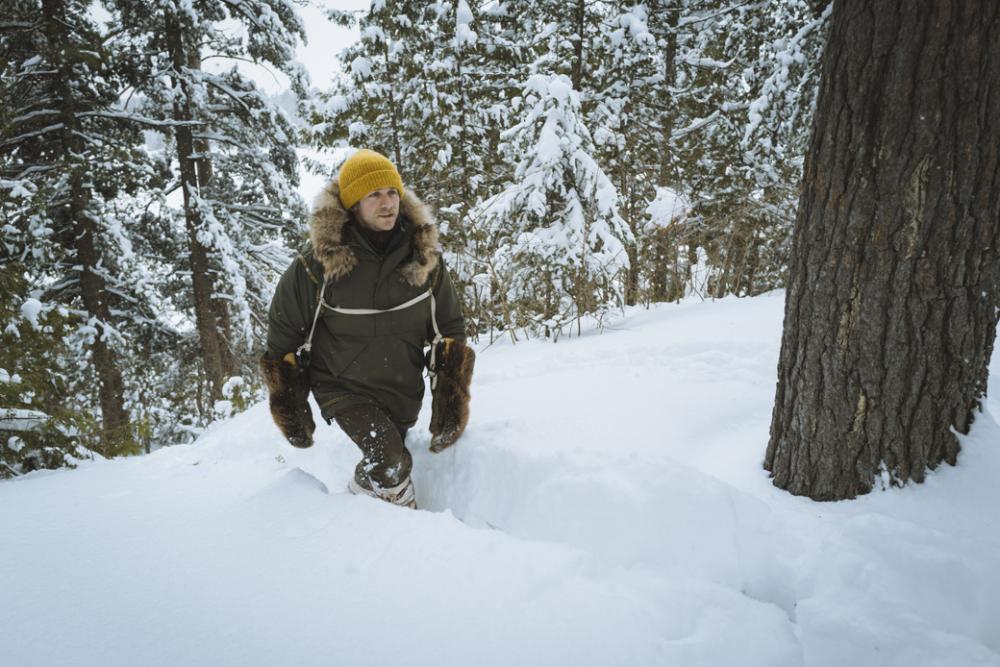
- Finish with an outer layer. Your outer layer protects you from wind, snow, and moisture. Choose a loose-fitting jacket and pants that allow room for your other layers. Options include Gore-Tex, durable and breathable cotton canvas, or a water-resistant nylon shell (like an Anorak). Look for materials that offer protection from the elements while allowing moisture to escape. Note! A roomy fit is important. Tight-fitting clothing can restrict movement and compress insulating layers, leaving you feeling colder.
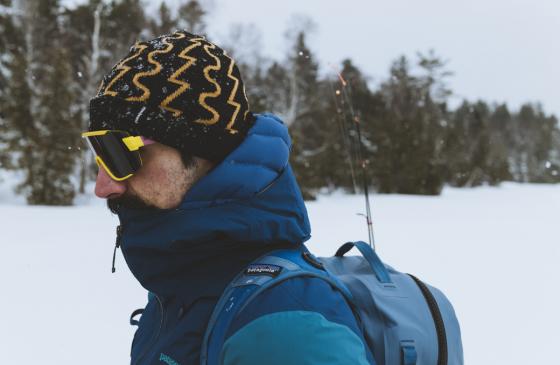
- Cover your head. Pack a heavily insulated hat for especially cold conditions and a lighter one for milder temperatures. Also, a large hood can help trap warm air around your head and face. That's why you'll often see people in especially cold climates wearing parkas with fur ruffs around the hood. The fur helps reduce heat loss and protects your face from wind.
- Keep your feet warm. Start with wool-blend socks that extend above the tops of your boots. You can also wear a thin liner sock underneath to help wick away moisture and reduce chafing.
In extremely cold conditions, some winter adventurers use a vapor barrier, such as a plastic bag between sock layers, to help keep insulating layers dry. Be aware that this can also trap perspiration, so it's important to manage moisture carefully.
Choose boots with enough room to wiggle your toes. Boots that are too tight can restrict circulation and leave your feet cold. Insulated boots with removable liners are a great option because you can take the liners out to dry them. Consider bringing extra liners, too. Make sure your boots are rated for the temperatures you'll encounter. If you're winter camping, you may even want two pairs: one for travel days and another for wearing around camp.
- Protect your face (and eyes!). Use a full or partial face mask. Something like fleece will wick away moisture. A buff may work as well in warmer temperatures when you want light coverage. Pack a pair of sunglasses or ski goggles, as snow blindness is a genuine risk.
- Don't forget your head and hands. If you're spending more than one day in the woods, bring backup gloves or mittens. Bring at least two pairs of mittens or gloves so you have options as temperatures and conditions change. Having a backup is also handy if one pair gets wet or lost.
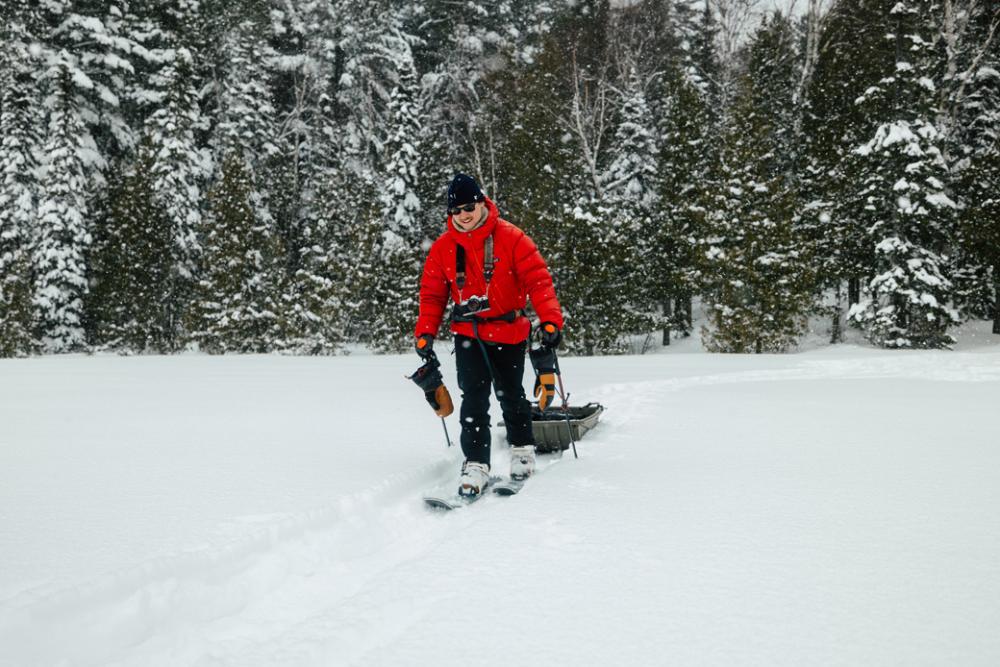
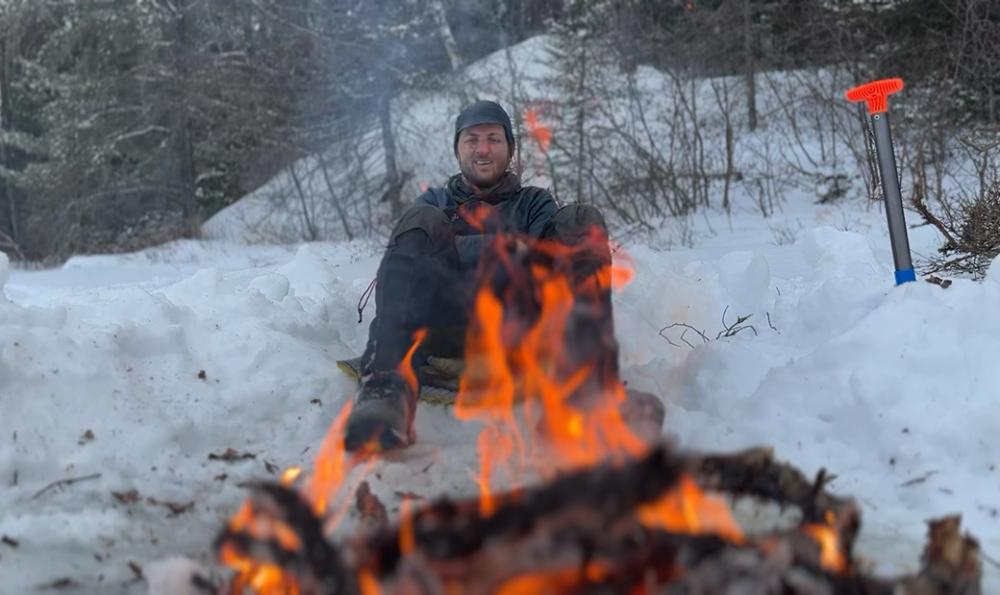
Feeling really cold? Here are some sure-fire ways to get warm quickly.
Start moving. You don’t need to do anything high-exertion. Just moving around at a brisk pace for 10 minutes can help generate body heat.
Immediately change out of wet clothes. Or do so as soon as you can. You’ll lose body heat quickly by staying in wet clothes, and hypothermia can set in faster than you might think.
Eat some food! One of the easiest ways to help your body stay warm is to eat high-calorie foods. Pack filling snacks and store them somewhere they won't freeze completely. We burn more calories in the winter trying to stay warm, so skipping meals and not drinking enough water can have serious consequences. Remember the thermos of cocoa?!
Warm up a water bottle. Does your adventure include spending the night? Fill a hot-water-safe bottle with almost boiling water (we recommend Nalgene brand). Make sure the lid is on tight and tuck it into your sleeping bag. Sitting around? You can also put it inside your jacket, but avoid direct contact with your skin.
Pack chemical hand or foot warmers. These are handy in a pinch when you want to warm a specific area of your body. You can also tuck them into pockets. Just be sure to follow the package directions and avoid prolonged direct skin contact.
Get out of the wind. Stop to take breaks somewhere sheltered from the wind. You'll notice the temperature difference immediately!
Build a fire. Just remember, a good, lasting fire takes time. Most of the work begins before you even light a match. Gather all your supplies and have enough tinder, kindling, and assorted sizes of wood ready before you strike that match.
Watch for signs of hypothermia. You may not recognize the signs in yourself, so use caution when going solo. If you're in a group, look out for one another. Signs include shivering (mild to intense), confusion, slurred speech, unusual tiredness, and fumbling or stumbling.
Have Raynaud’s syndrome?
Raynaud’s syndrome is a condition in which the small blood vessels, usually in the fingers and toes, temporarily narrow in response to cold temperatures or stress.
During an episode, fingers or toes may turn pale or white, and you may experience numbness, tingling, or discomfort.
Keys to avoiding a flare-up.
- Maintain a consistent body temperature and keep your whole body warm, but not too hot. Avoid sudden changes in temperature whenever possible.
- Wear insulated gloves or mittens to keep your hands warm. Layer thin gloves underneath thicker, insulated mittens, and adjust the layers as needed.
- Layer your gloves. Latex-free medical gloves may work as a liner underneath insulated mittens in cold conditions.
- Use hand or toe warmers.
- Keep moving. Gentle movement and regular activity can help promote circulation.
No matter how you dress and prepare, always check the weather at your destination before heading out. Remember, conditions can change unexpectedly and quickly, and forecasts aren't always accurate.
Give to the Max Day is Nov 19! Make a gift to Save the Boundary Waters to help fight toxic copper mining near the Wilderness.
DONATE TODAY!
Your donation will be DOUBLED, giving us twice the support to fight for permanent protection.