Give a Dam! Beavers and the Boundary Waters
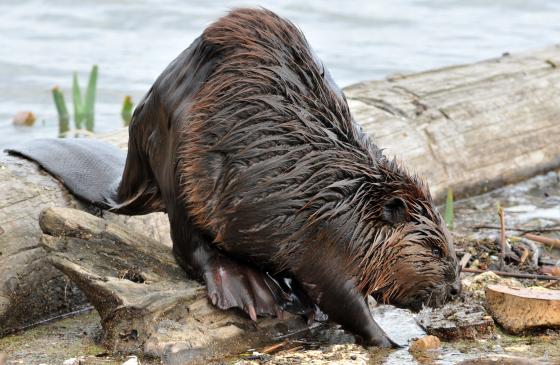
In the Boundary Waters Canoe Area Wilderness, some of the most important conservation work is done by its furry inhabitants. One of the most important is the North American beaver. Not only do they help shape the land and water around them, but scientists often refer to them as “ecosystem engineers.”
Beavers are considered a keystone species, which means many other plants and animals depend on them.
-
Their dams create wetlands, which are among the most productive ecosystems on Earth, comparable to coral reefs and rainforests. Did you know that wetlands are critical for ecosystems like the Boundary Waters to thrive?
-
When a beaver builds a dam, it slows down a stream and creates a pond. This simple action has big effects. Slower water allows dirt and sediment to settle, which helps clean the water. Nutrients get trapped and reused, helping plants and tiny organisms grow.
-
Water also spreads into the surrounding ground, helping keep water levels steady during dry times. In a place like the Boundary Waters, where waterways are connected, this helps keep the whole ecosystem in balance.
Beavers are perfectly built for the important, yet challenging (!), job of dam building
- Their teeth are very strong and never stop growing (think buck teeth!), so they must chew on wood to keep them worn down.
- Beavers can work underwater thanks to a special layer over their eyes, and their lips close behind their teeth so they can chew without swallowing water.
- They are genetically wired to…build! The sound of running water triggers them to fix leaks in their dams.
The changes beavers make to landscapes help many other species.
- Their ponds create homes for frogs, birds, insects, and fish. Amphibians use the still water to lay eggs. Birds are drawn to the food and shelter. Fish benefit from deeper water and more places to hide. Simply put, where there are beavers, there is usually more life.
Did you know that beavers also help ecosystems better manage climate change?
- Their dams store water and release it slowly over time. This can reduce flooding during big storms and help keep water on land during droughts.
- Their wetlands can even store carbon, which helps slow climate change.
Because beavers need clean water and healthy forests, their presence is a good sign. When beaver populations are strong, it usually means the ecosystem is healthy too.
But what is daily life actually like for a beaver in the Boundary Waters?
- They love spending time with their families: they live in family groups, usually with four to six members. A pair of beavers will often have two to four babies, called kits.
- They are vegetarians: they dine on leaves, twigs, and water plants. In winter, they survive by eating sticks they stored underwater before the ice formed.
- They like to keep clean and tidy: they especially take great care of their fur, using oil from a special gland to keep it waterproof and warm through cold winters.
Fun fact: Did you know that the site of the Twin Metals proposed sulfide-ore copper mine is on the Kawishiwi River, which means “river full of beaver houses” in Ojibwe?
We can’t let a toxic mine pollute a pristine river full of beaver houses. Act now.
Get your "Give a Dam!" beaver sticker!
(Photo by Minette Layne via Flickr)