Food and meal planning for a Boundary Waters trip
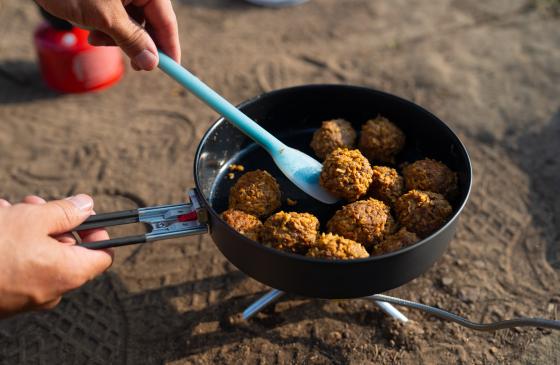
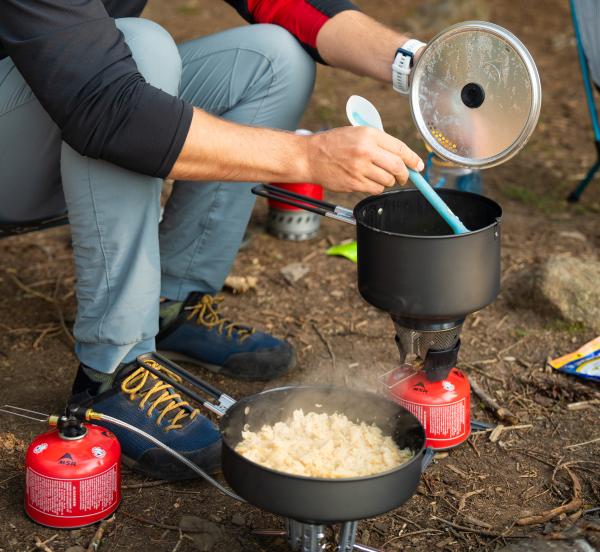
Food planning for a canoe trip
Keep it lightweight and long-lasting
Most Boundary Waters meals are built around foods that won’t spoil. Think dried, dehydrated, or shelf-stable ingredients like rice, pasta, oats, powdered milk, nut butters, beans, and packaged sauces. Sometimes you can find unique dehydrated ingredients online or use your own dehydrator to experiment with new recipes.
That doesn’t mean you can’t bring some fresh items, especially for the first day or two. Hard cheeses, tortillas, summer sausage, apples, carrots, and even eggs can hold up surprisingly well, especially in cooler weather. Just remember that heavier food means heavier portages.
Ways to cook
-
Cooking over the fire: After a day of fishing, is there anything better than a few battered filets bubbling in oil while foil-wrapped potatoes cook snugly in the coals? If you plan to cook over the fire, give yourself enough time to not only gather wood but also create a good bed of coals. This is slow food at its finest. Pro tip: Wipe a little soap on the bottom of your pans before you place them on the fire grate, it will make washing the soot off easier.
-
Using a camping stove: One of the easiest and fastest ways to cook or heat water. It’s a good idea to carry at least one lightweight or backpacking-style stove. If the weather is turning, just set your kitchen up under the tarp (another good reason to carry a reliable tarp). And after a long day, when you’re not up for building a fire, having a stove can be a real lifesaver.
Sample meal ideas
Here are some simple, high-energy meals that work well in the Boundary Waters.
Breakfast ideas
- Oatmeal with dried fruit, nuts, and a spoonful of peanut butter
- Granola or hot cereal
- Pancakes (don’t forget you can buy pre-cooked bacon)
- Coffee or tea
- Dehydrated meals: (scrambled eggs, hashbrowns, breakfast meats and veggies)
Tip: Add dehydrated fruit, nuts, powdered milk, honey, or syrup for some flavor or nutrients!
Lunch ideas (for paddling days)
Lunch is usually quick and easy, something you can eat on a rock by the water or between portages.
- Trail mix (savory or sweet)
- Granola bars and energy bars
- Tortillas with Justin’s nut butter and jam packets
- Tuna packets w/mayo and pickles
- Summer sausage or salami with cheese
- Jerky
- Dried fruit
- Hard cheeses, string cheese
- Portage bars (from Brainstorm Bakery)
- Pre-cut veggies: carrots, bell peppers, celery, snap peas
Tip: Keep lunch accessible at the top of your pack so it is easy to access (don’t forget utensils, small cutting board, dishware)
Dinner ideas (one-pot meals are easiest)
Dinner is where you can get a little creative while still keeping things simple.
-
Start with a base: rice, pasta, soup, couscous, or instant mashed potatoes
-
Add protein: dehydrated beans, lentils, tuna or chicken packets, textured vegetable protein, or dehydrated meat
-
Add flavor: powdered cheese, pasta sauce packets, curry seasoning, taco seasoning, or pesto mix
-
Add veggies: corn, peas, carrots, or peppers (dehydrated is easier)
Tip: Do not rely on cooking over the fire.
What to include in your kitchen kit
- Pots, pans, utensils, mugs, water bottles
- Fire starting materials, bic lighters, waterproof matches, fire gloves
- Lightweight stove, wind screen, fuel bottles or canisters
- Dishwashing kit: collapsible bucket, biodegradable soap, scrubber/scraper, disposable hand towel
- Small camping table
-
French press (optional)
Rules and guidance
- The U.S. Forest Service requires all visitors to properly store their food. This means you either need to hang your food 12’ feet up and 6’ out from a tree (there are numerous methods), or you need to use an approved container.
- No glass or cans are allowed (except fuel canisters, insect repellent, or medicine)
- Organize meals by breakfasts, lunches, dinners, snacks, and drinks. Store each meal in labeled ziplock bags, then group them in a color-coded stuff sack (ie, breakfasts in a yellow bag, lunches in a green bag, etc). Use reusable containers and remove extra packaging. Insulated canoe packs work well. You can rent or buy them. Tip: Skip bringing a cooler as they’re too awkward to carry on portage trails.
- Wash your body or your dishes at least 200’ from water sources. All soap, including biodegradable soap, must be thrown back into the woods.
- Pack out all the garbage along with any garbage you find. Burning trash in the fire grate is illegal—this includes foil. Do not put any garbage in the latrine (besides toilet paper).
Photos: Nate Luebbe and Autumn Schrock