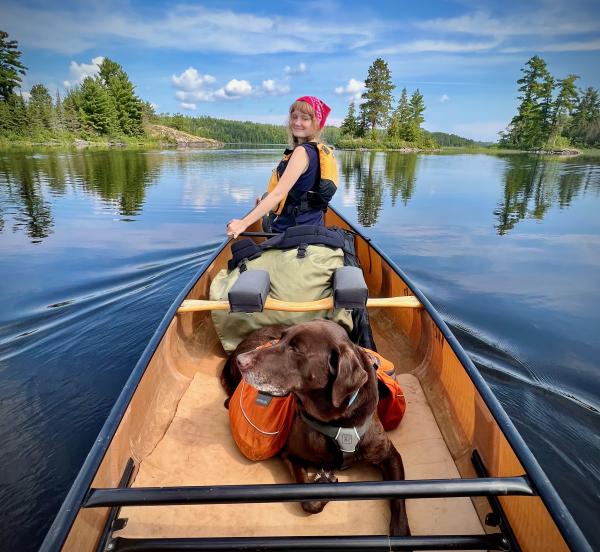
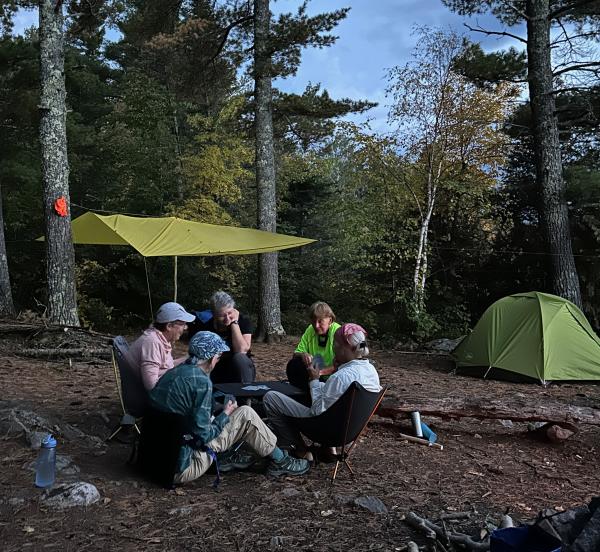
You wouldn't paddle without a plan. So why leave your legacy unplanned?
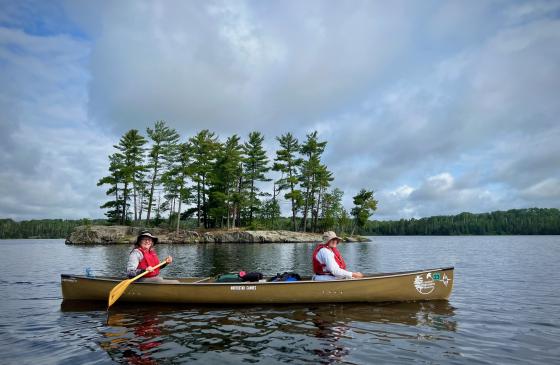
Aug 6, 2026
Photo credit Pam Wright

Every trip into the Boundary Waters starts the same way: you check the weather, you study the route, you pack a PFD. You're not expecting disaster, but being prepared is just what you do before you head into the Wilderness you love.

So why is it that so few of us extend that same instinct to the rest of our lives?

August is Make a Will Month, and it's the perfect excuse to talk about something most people would rather portage around: estate planning. 68% of Americans don’t have a will. That means nearly seven out of ten people (maybe you?) have no legal say in what happens to the people, pets, and places they care about most.

We think that gap exists because of a few stubborn myths. So, let's bust them.
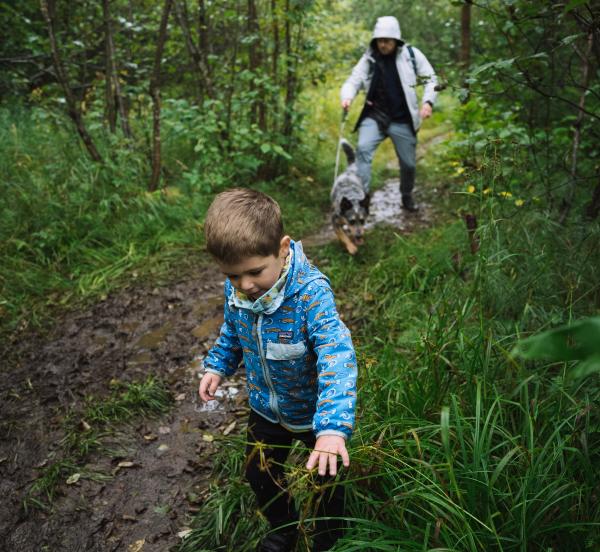
Photo credit Nate Ptacek

Myth #1: "Wills are only for the extra wealthy."

This is probably the biggest misconception out there, and it's simply not true. A will isn't a monument to your net worth. Instead, consider it like a set of instructions. It's how you name a guardian for your kids. It's how a treasured canoe paddle ends up with the grandchild who'll actually use it. It's how the causes you've spent a lifetime supporting keep getting that support after you're gone.

Whether your estate is modest or significant, a will makes sure your voice decides what happens to it.
 

Myth #2: "I'll get to it eventually. I'm not old enough to need one yet."

A will isn't a countdown to the end of your life. It's a plan for the unexpected, at any age. It’s the same way you'd never head out on a five-day paddling trip without a map, even though you're fully expecting to come home. Preparedness isn't pessimism. 

Photo credit Pam Wright

Myth #3: "It's expensive and complicated."

This might have been true a generation ago. It isn't anymore. Free tools (like FreeWill) guide you through the process with plain language, not legal jargon, and let you build a legally valid will in about 20 minutes, from the comfort of your home, and at no cost.

And a will isn't the only tool for this kind of planning. If you have a retirement account, updating the beneficiary form to include Save the Boundary Waters takes just a few minutes; no attorney, no cost, and it's one of the most tax-efficient gifts you can leave.

Photo credit Pam Wright

Myth #4: "Leaving a gift in my will is only for major philanthropists."

Some of the most meaningful legacy gifts we've ever received came from people who never described themselves as "philanthropists.” They’re modest gifts coming from people who loved this Wilderness enough to put it in writing and ensure it is permanently protected for future generations. 

A gift in your will can be a specific dollar amount, a percentage of your estate, or simply whatever's left after the people you love are taken care of. Plus, you can change it anytime your life does. It costs you nothing today, and it can be one of the most powerful things you ever give.


The bottom line

None of this is about expecting the worst. It's about being the kind of person who plans not because bad things might happen, but because the people and places you love deserve better than a plan left to chance.
This Make a Will Month, take the 20 minutes: Make your first will. Update the beneficiary form. Have the conversation with your family you've been putting off. However you do it, know that a plan is a gift to everyone who comes after you, including a Wilderness that has quietly given so many of us so much.
Your will is your voice. Make sure it's heard.

Learn more about planned giving


Save the Boundary Waters’ legal name is Northeastern Minnesotans for Wilderness. Federal tax ID (EIN) is 01-0743018. This information may be helpful for updating your beneficiary, including in your estate planning documents, or for your attorney.