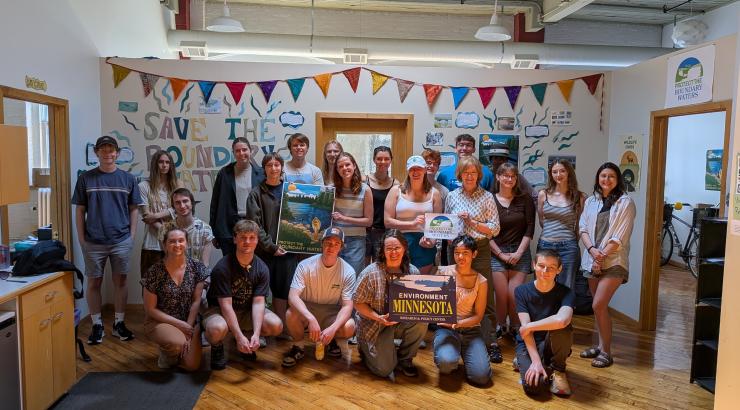
Why do we keep coming back to the Northwoods, even in January?
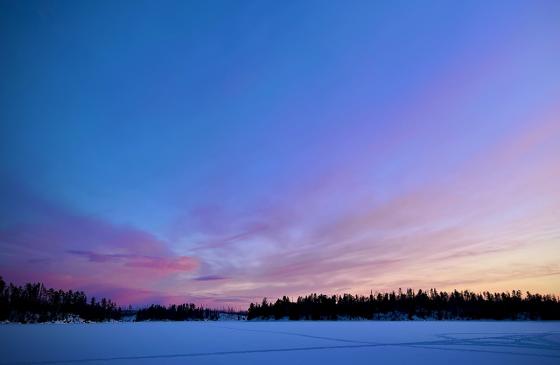
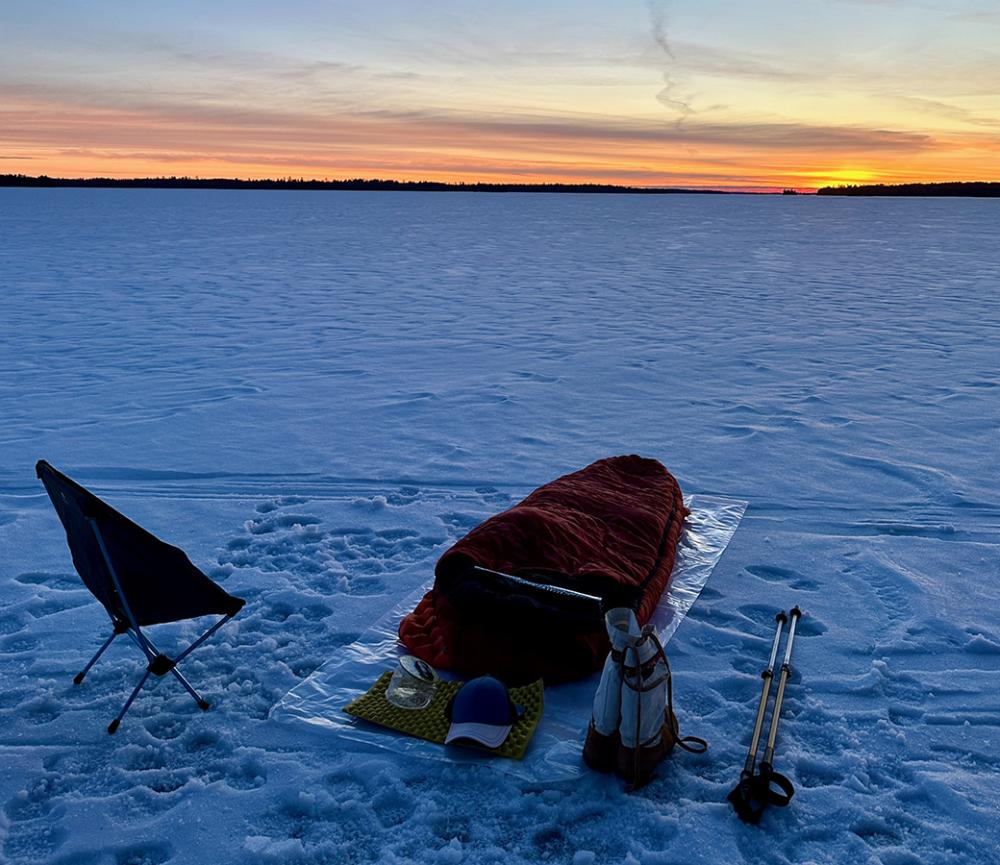
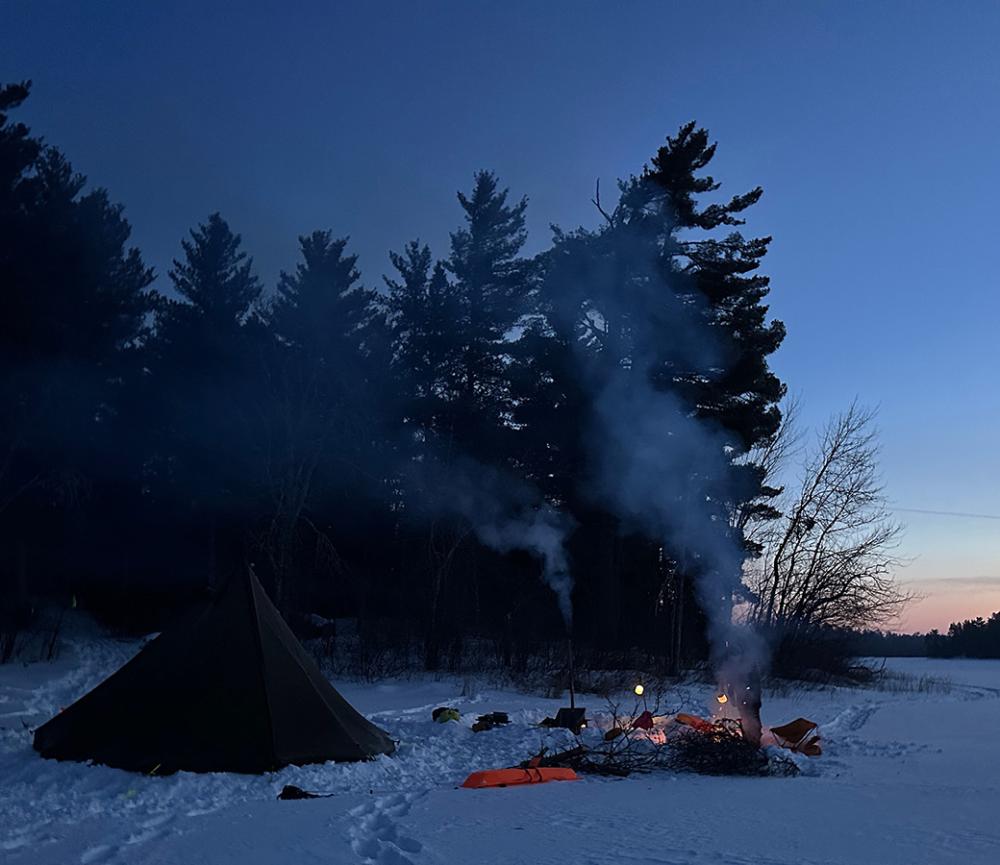
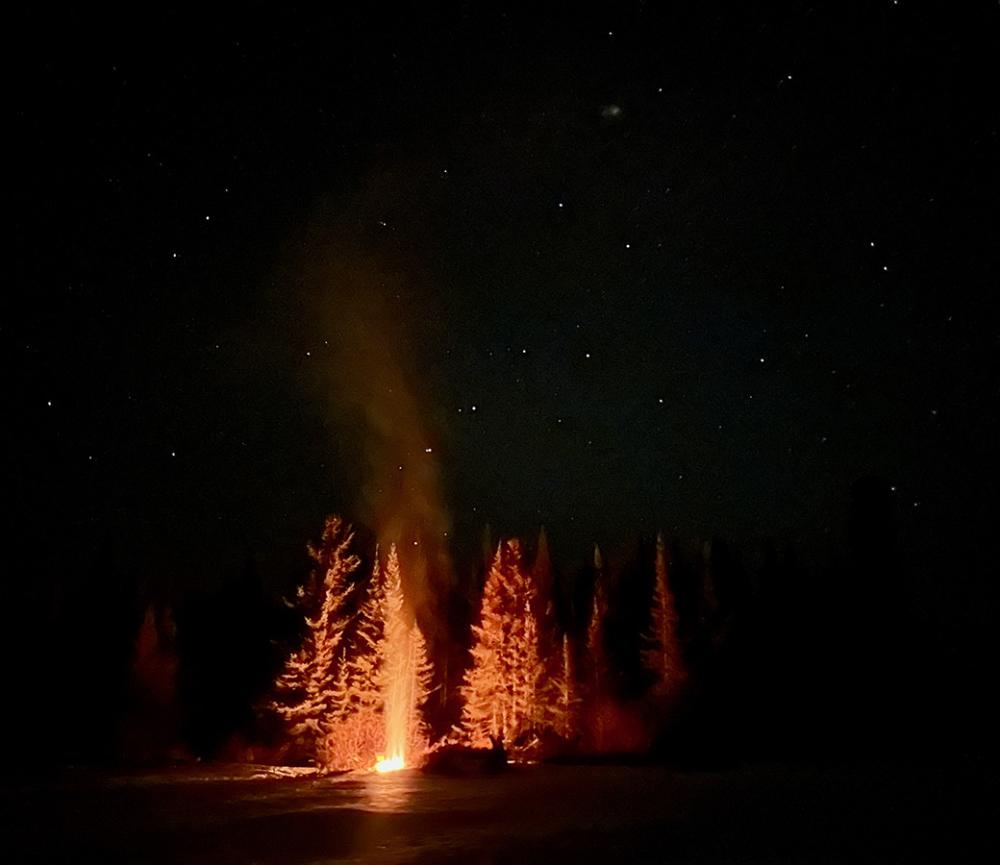
I snuggled deeper into my sleeping bag. Brilliant pinpoints of light filled the dark sky as I tried to identify constellations, the Milky Way, and a few errant satellites. I was camped where few dare to go — on the ice, deep in the Boundary Waters Canoe Area Wilderness. A thin sheet of plastic lay between me and the thickly frozen depths of Basswood Lake. My home for the night was tucked right along the Canadian border, surrounded by millions of acres of Wilderness. I felt vulnerable yet warm and safe—and more importantly: Alive!
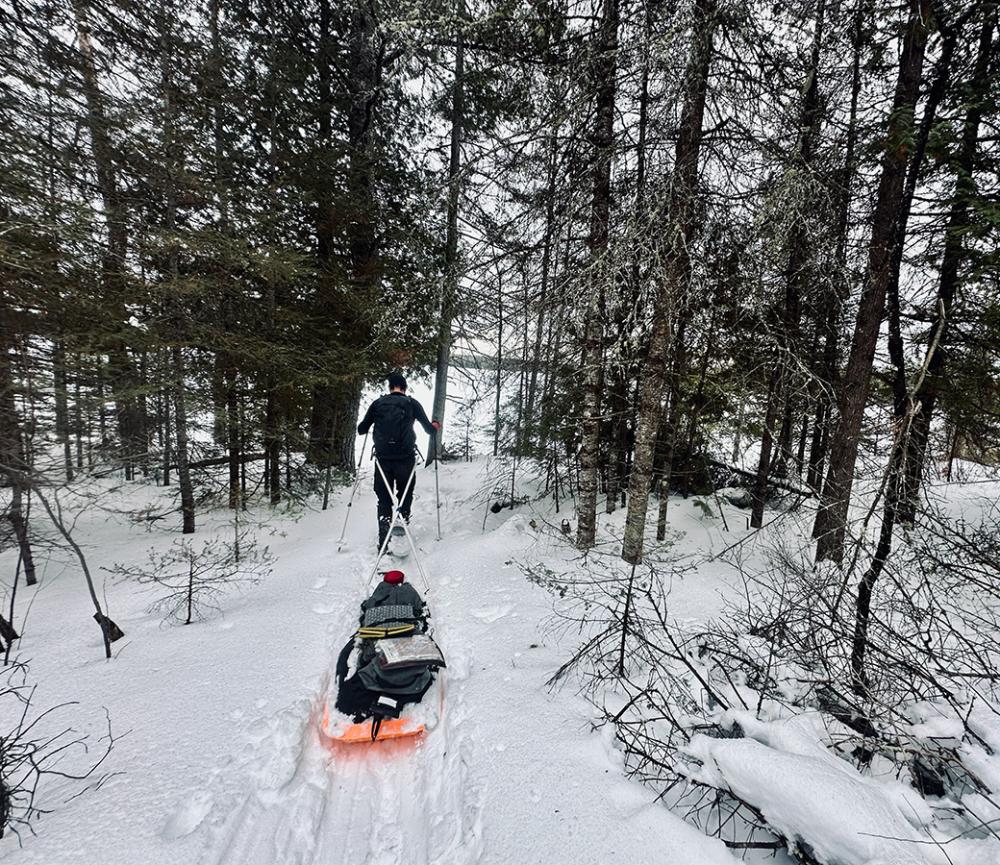
What brought me here was a multi-day journey over frozen lakes and snow-covered portage trails. My skis shushed as my sled followed me from behind. Two long poles connected me to it at the waist. I covered a route that took me through bluebird days and a few gray ones too. In the sled, my trusty winter gear was carefully stowed away. It was my lifeline.
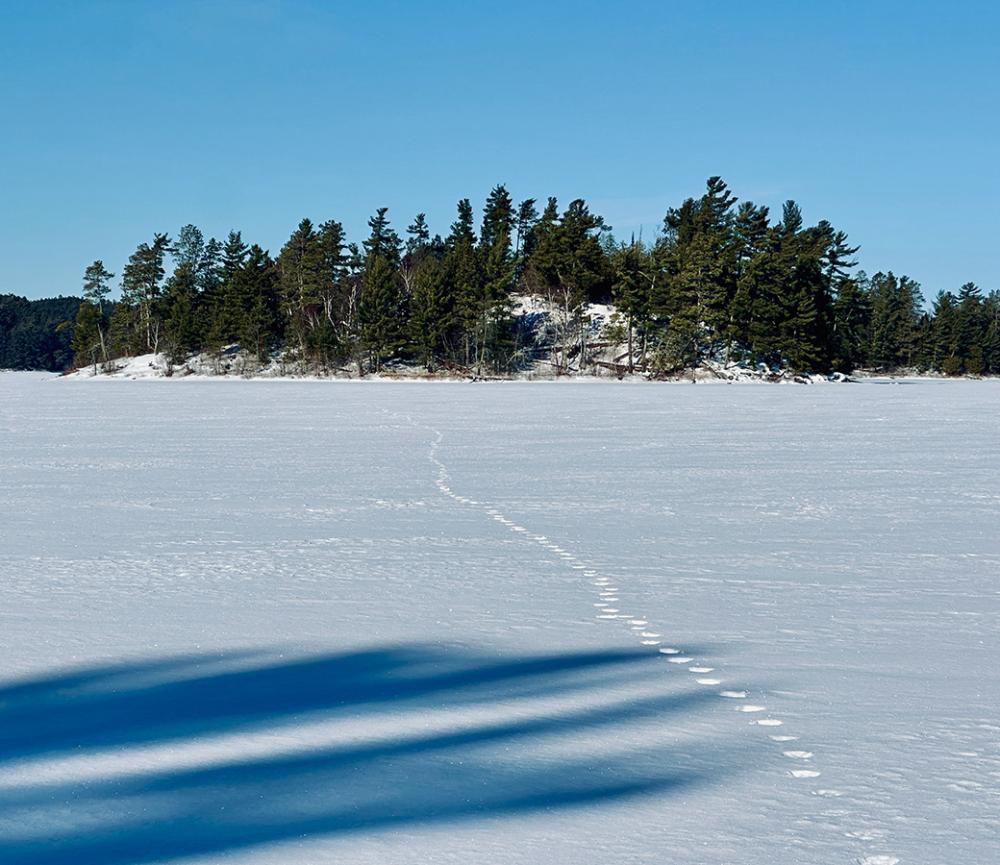
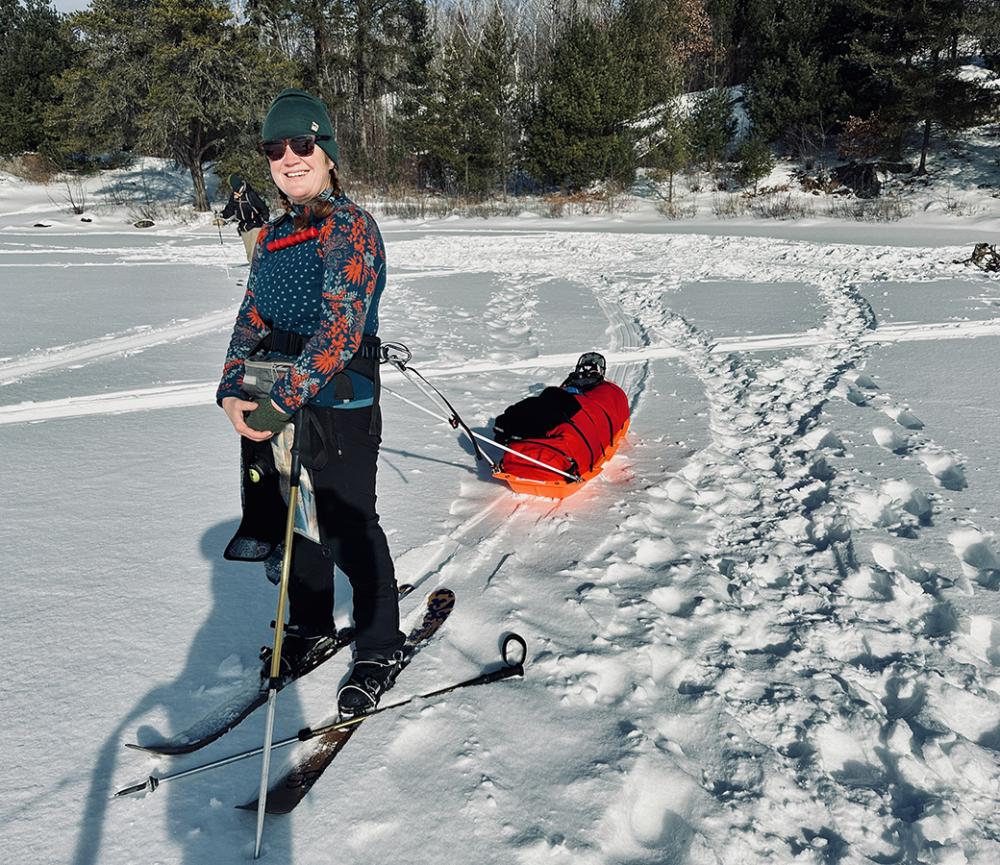
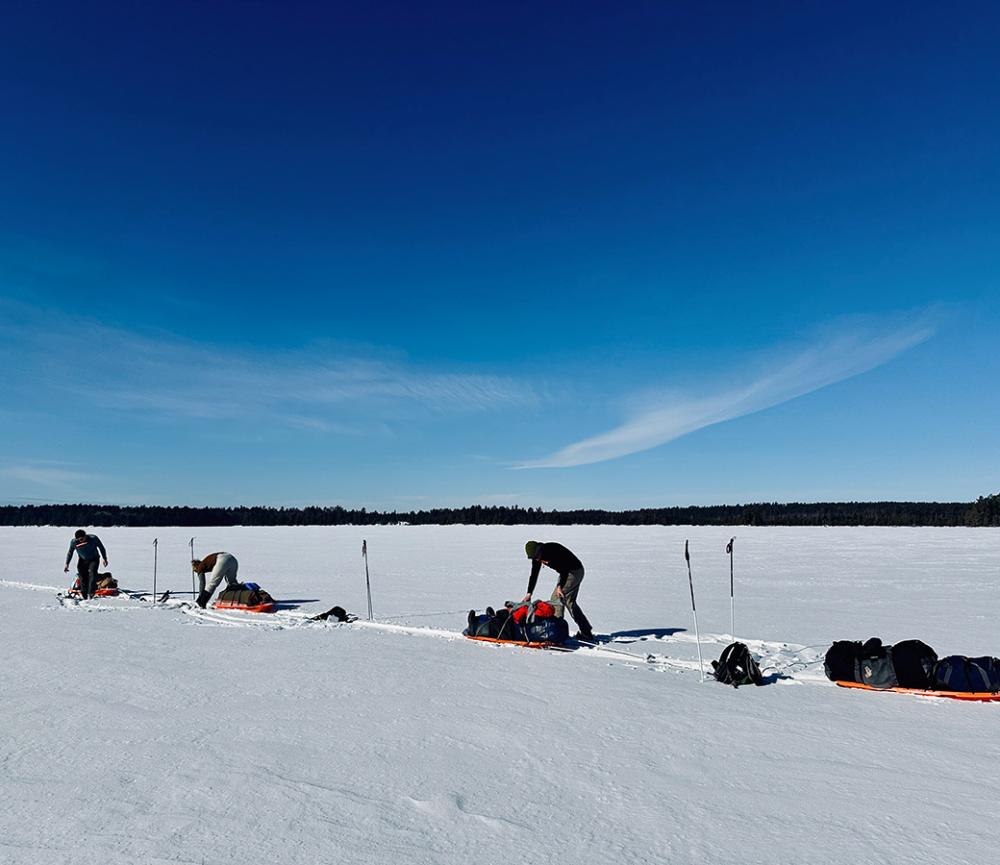
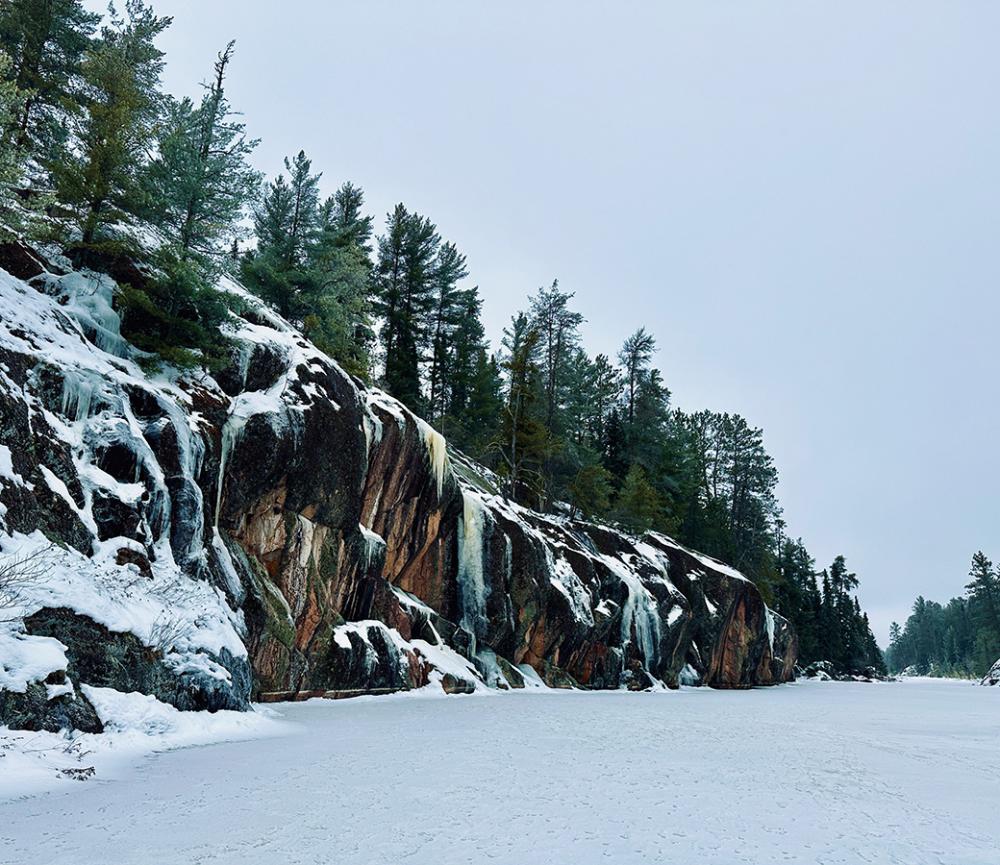
Here and there, I followed the wandering tracks of snowshoe hare, fox, and moose. There was a surprising amount of activity, best seen after a fresh snowfall.
At the end of each day, I stopped in a sheltered cove as the sun cast golden rays. As far as my eyes could see, nobody else was out there (at least, nobody human). If I shifted just right, the snow sparkled like iridescent jewels scattered across the untouched surface.
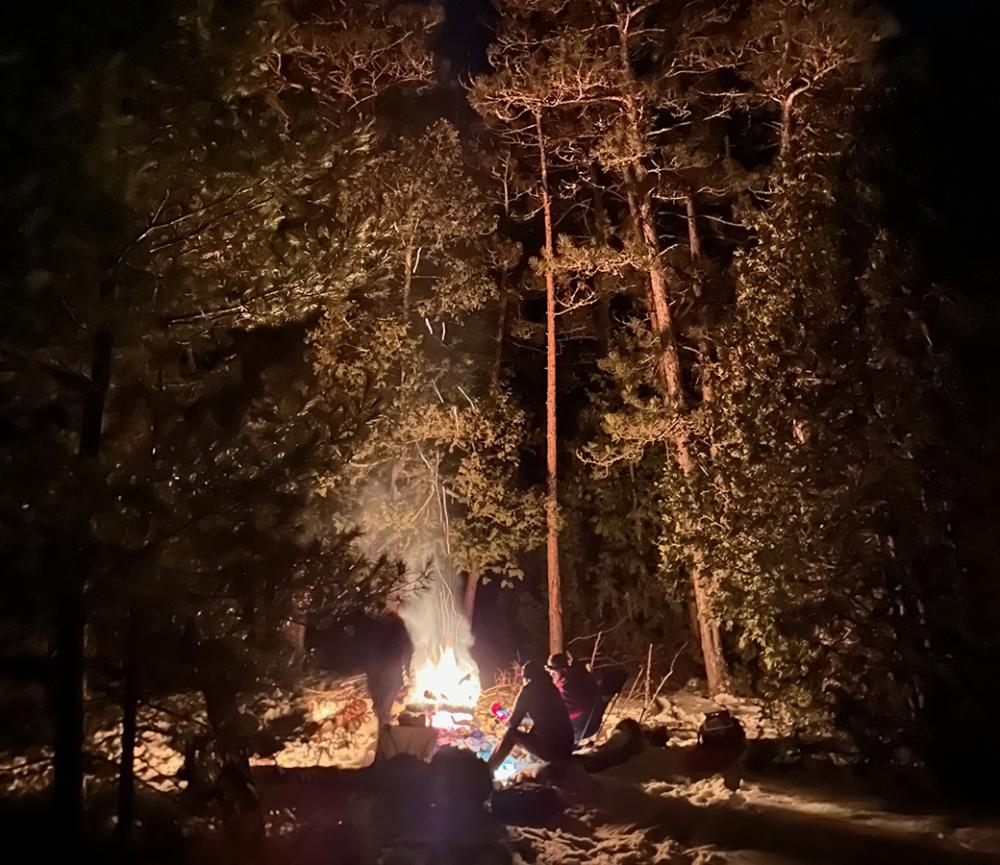
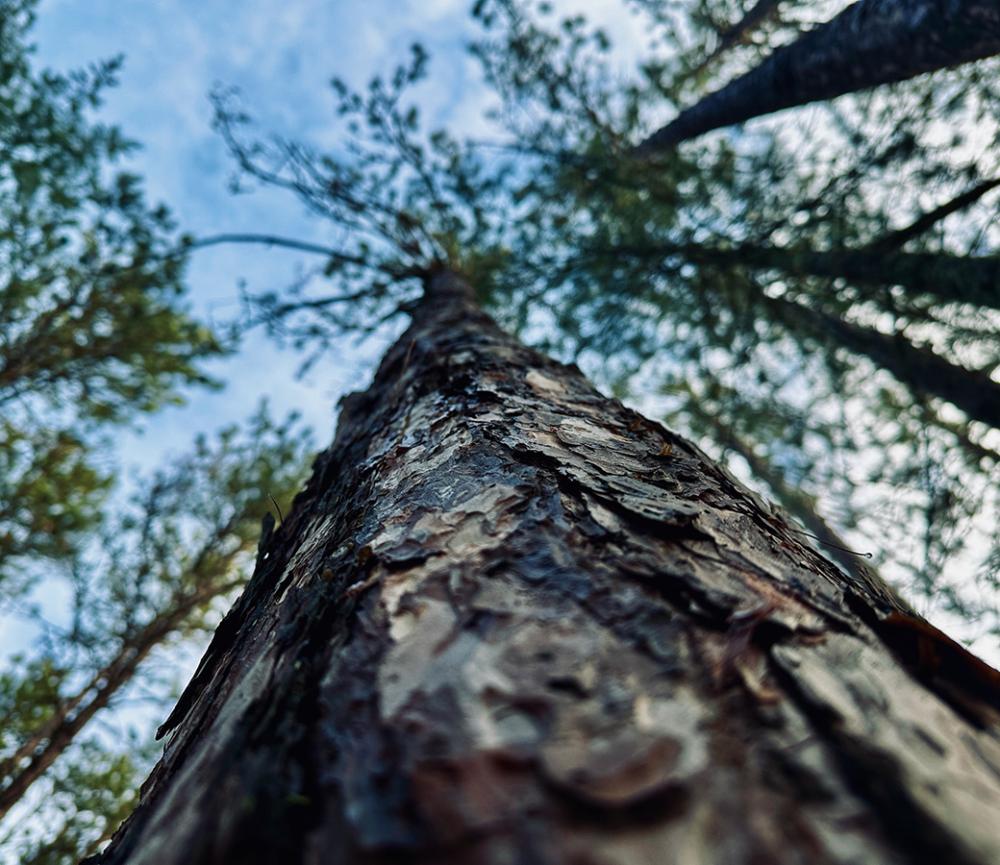
There, I left my gear, strapped on snowshoes, and headed toward the woods. The woods were filled with verdant jack pines and pockets of cedar. They enveloped me in silence. I gathered wood, eventually bringing it back to the ice to saw up and split. A warming fire is always a comfort after a long day. It signals that most of the hard work is done.
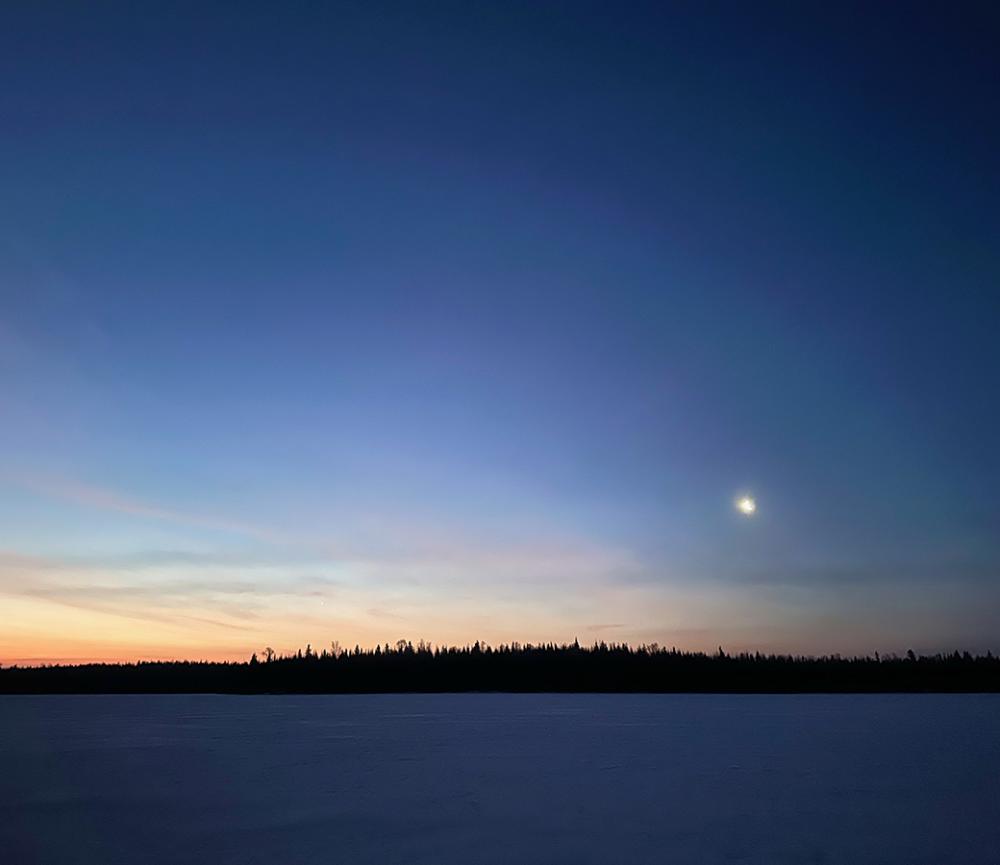
As the sun set, the sky was swept by washes of pastel hues. Then later, just before drifting off to sleep, I paused and reflected. Was there really anywhere else I needed to be?
Reflections from Pam Wright, Boundary Waters canoe and winter camping guide.
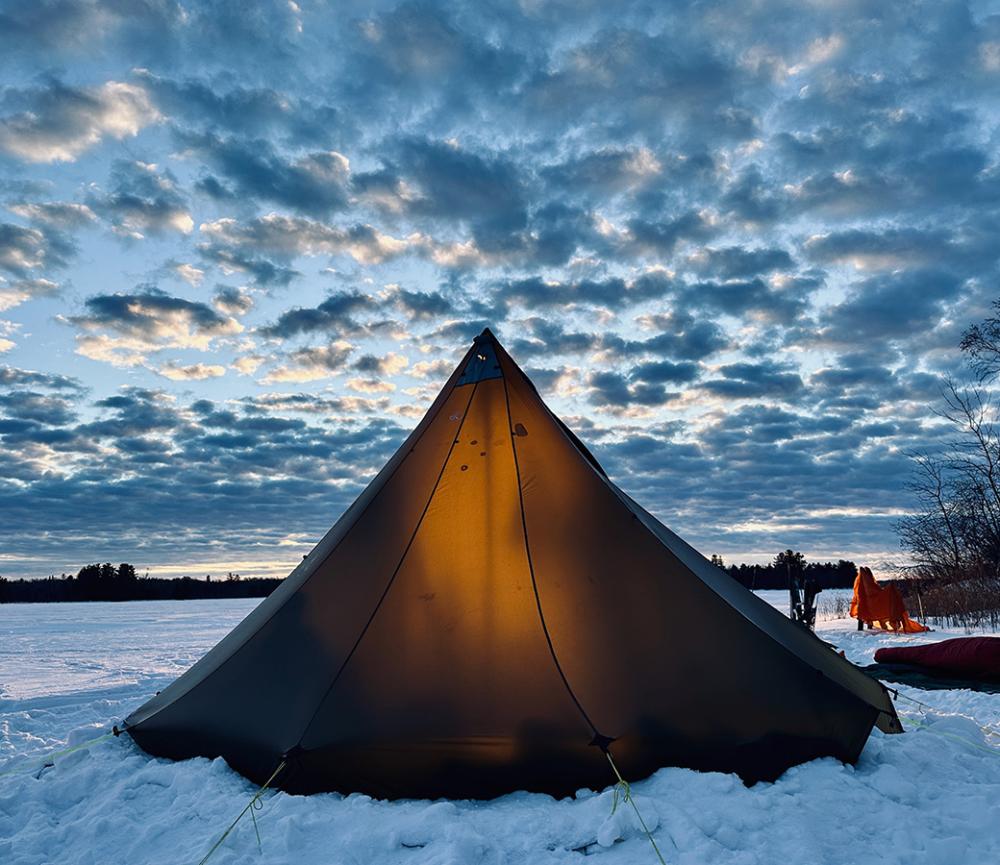
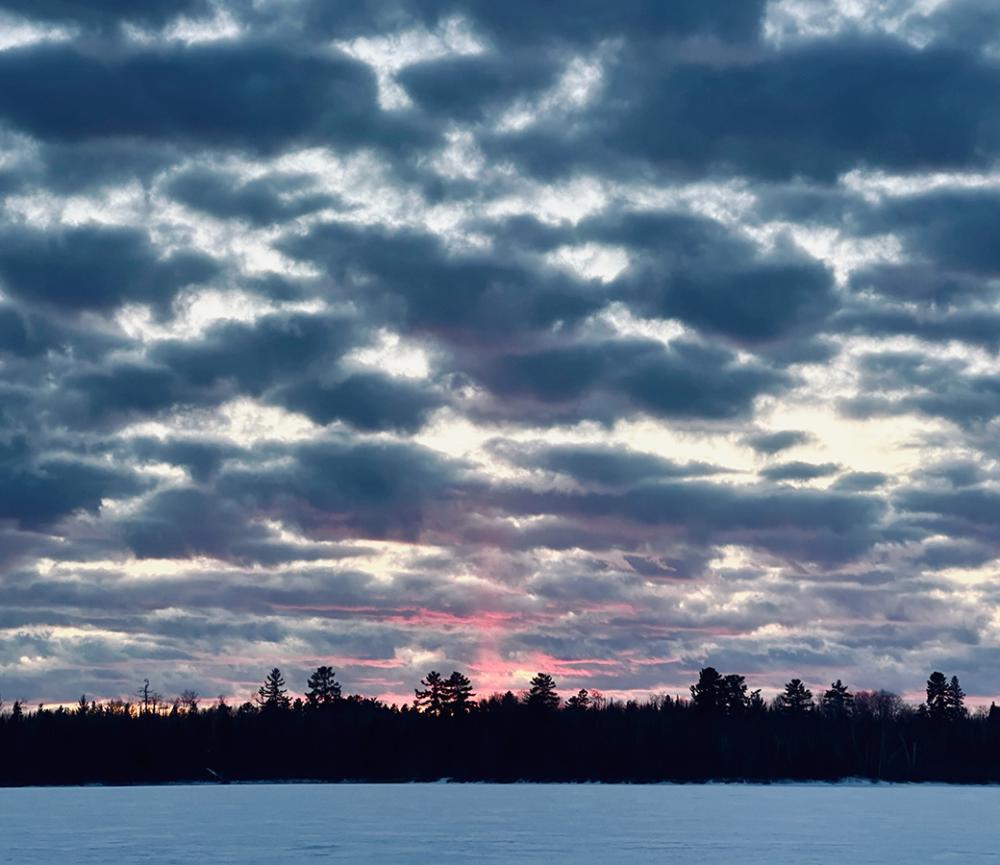
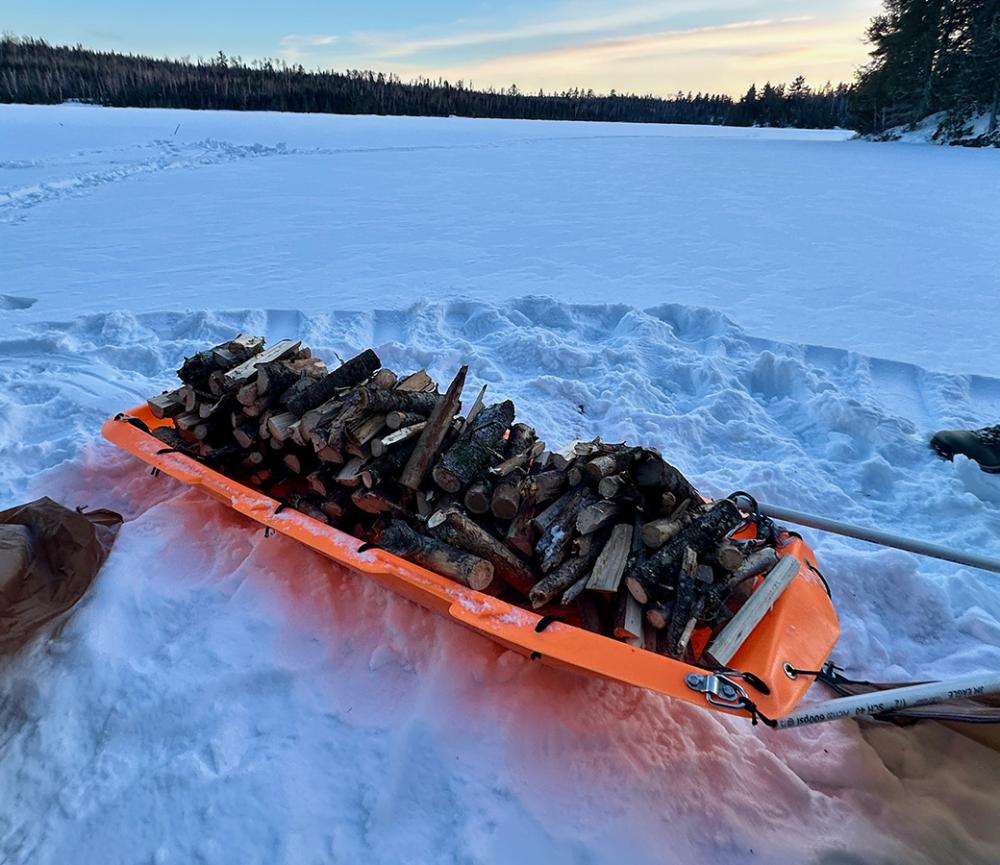
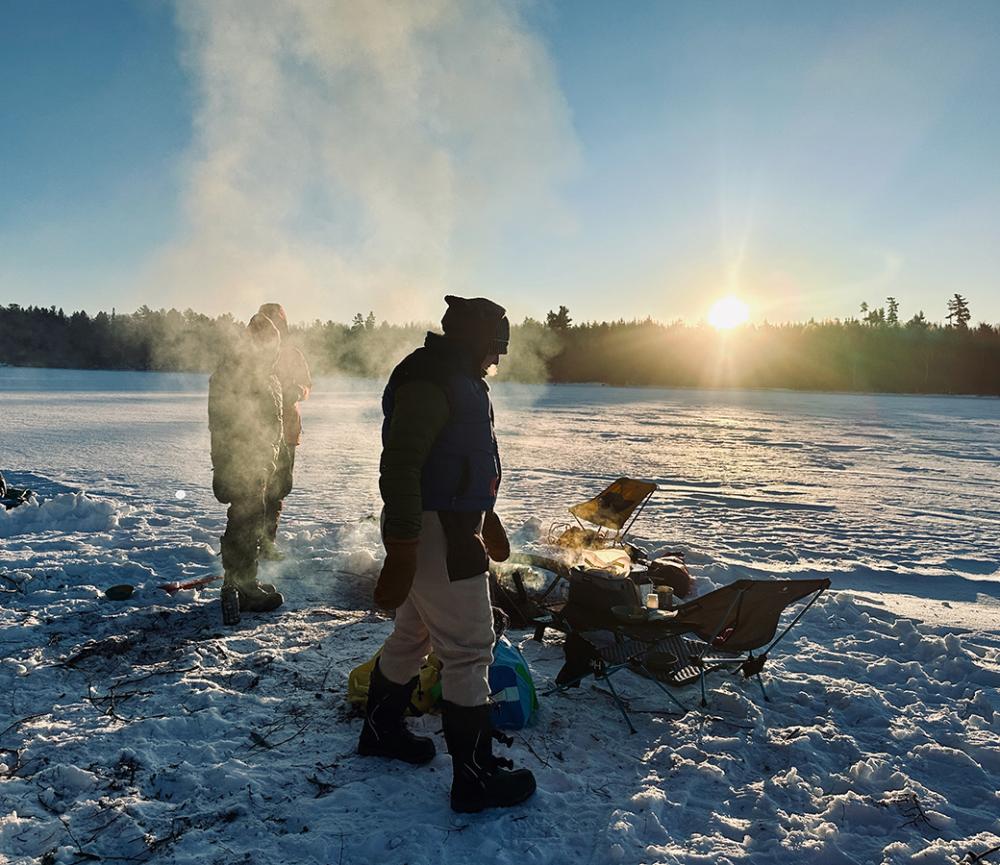
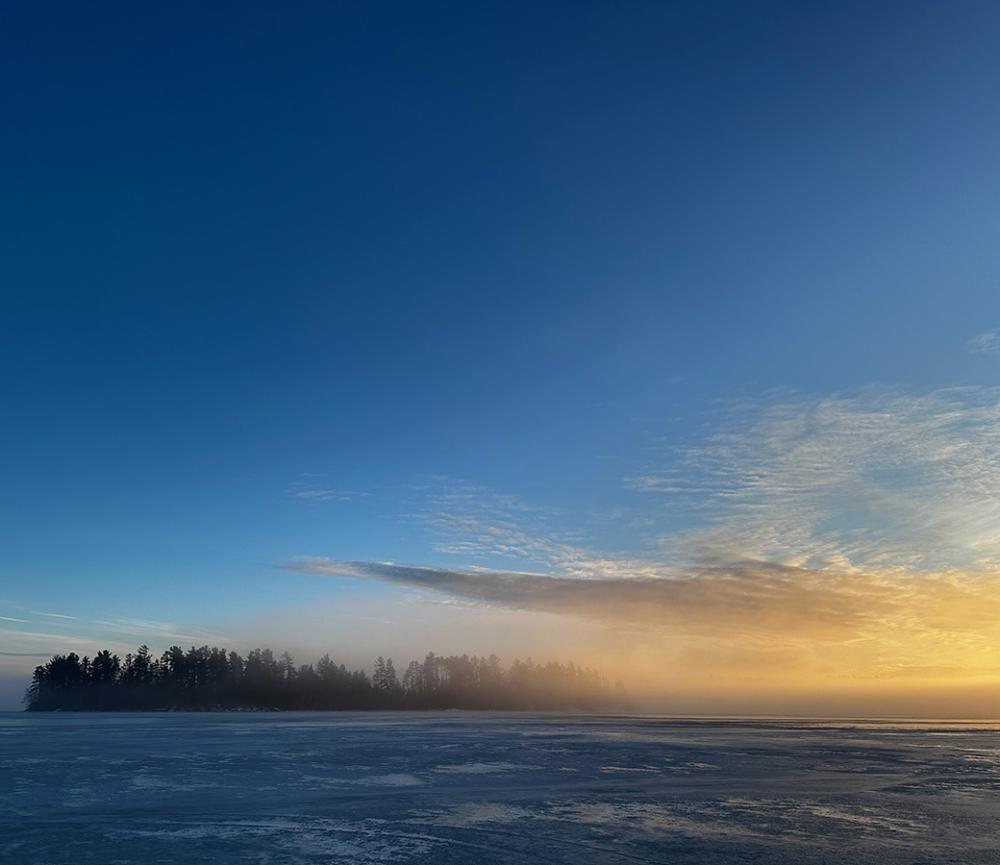
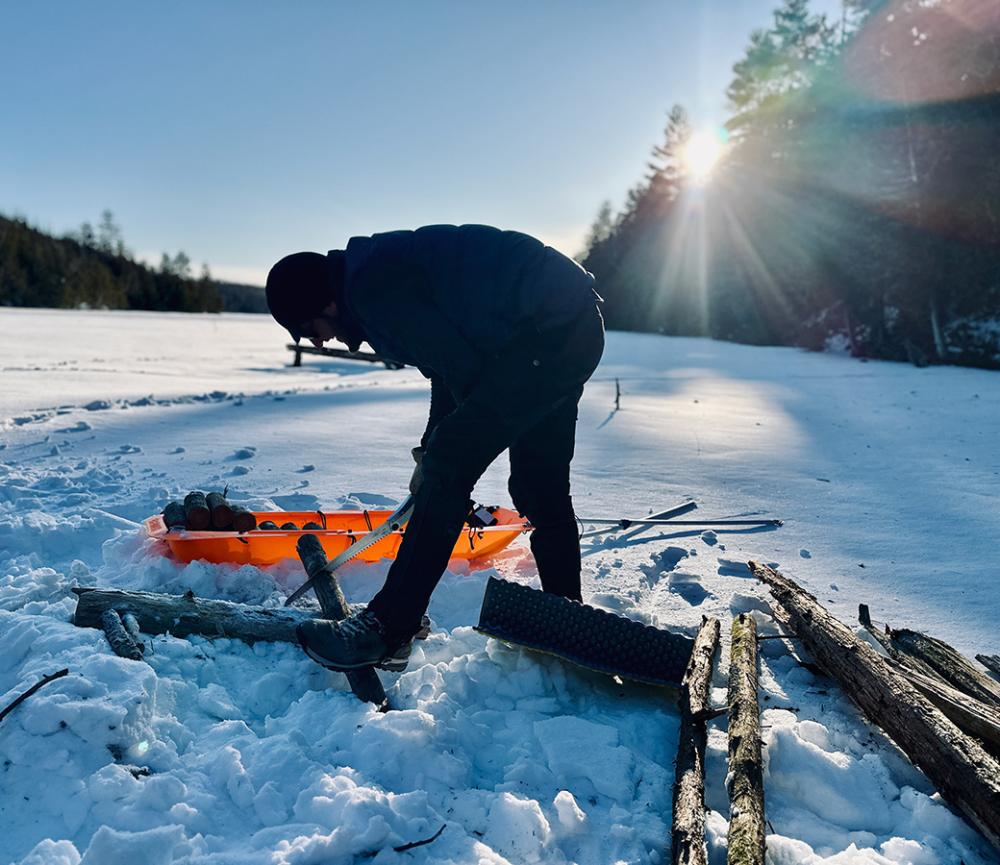
Magic in a wintery Wilderness landscape
There is magic in a wintery Wilderness landscape. Sure, winter isn’t the easiest time in the Wilderness for anyone, especially when temperatures dip well below freezing. But if you catch it in some of its best moments, you will keep coming back.
Not many people visit the Boundary Waters in the winter; however, it’s a great time to explore the woods with something for everyone to enjoy. You'll find ski and snowshoe trails to explore. The fishing can be good as anglers head out onto the ice. There, they’ll drill a hole and drop a line, hoping to catch Lake Trout or other fish. Sled dogs guided by mushers lead groups on day trips or overnight adventures. For those seeking a bigger challenge, winter camping offers a chance to experience solitude. Far fewer visitors head into the Boundary Waters in the winter than during other months. It truly is the silent season.
Honestly, we don’t think there's ever a bad time to visit the Boundary Waters. So many others think so too. Did you know that it's the most visited Wilderness in the United States? We think that makes it pretty special.
But we need your help to keep it that way. We want to ensure the Boundary Waters and its surrounding watersheds receive permanent protection so everyone can continue to experience the pristine waterways we know and love.
Give to the Max Day is November 19th!
Make a gift to Save the Boundary Waters to help fight toxic copper mining near the Wilderness.
DONATE TODAY!
Your donation will be DOUBLED, giving us twice the support to fight for permanent protection.