From camp to Capitol Hill
Join us for a webinar on Tuesday, December 1, 2026 at 7:00 PM CST to learn more about the Boundary Waters Youth Network!
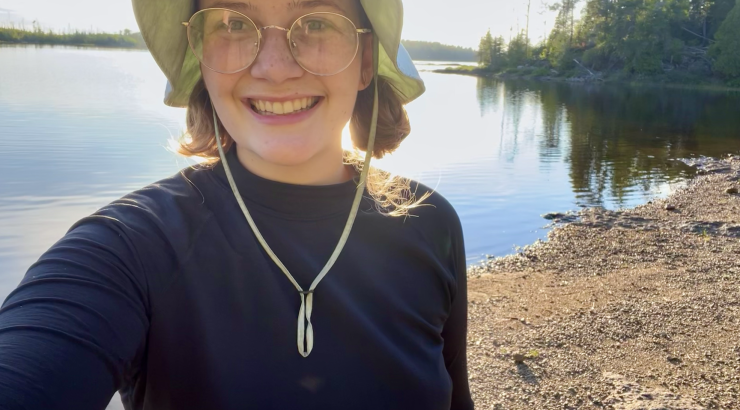
Moving from warm, sunny Brazil to freezing Minnesota is never an easy transition. It’s even harder when you’re a kid, and your parents drag you on the wettest, buggiest, and most treacherous camping trip of your life. A week-long canoe trip in the Boundary Waters Canoe Area Wilderness (BWCAW) was NOT my ideal vacation, but my parents, who were new to Minnesota and seeking a way to connect to the community, brought me along anyway. For them, it was love at first paddle. For me, well…it was a slow burn. Every summer, they would take me and my brother out for a week of crystal clear waters (which I was too scared to swim in), meals cooked over the campfire (I ate only chocolate bars), and sleeping under the bright stars (this is when I would cry). For me, it was ritual suffering. For my parents, it was the best week of the year–time with their family, and time away from the stresses of work. In the BWCAW, they could simply immerse themselves in the beauty of nature and forget about the pressures of building a life in a new country. Shockingly, I did actually grow up to enjoy the Boundary Waters quite a lot. I started going on longer trips without my family through summer camp programs like YMCA Camp Widjiwagan. Last summer, I spent 40 days paddling in remote Canadian wilderness, and I only cried a little.
Though I quickly fell in love with the place through experience, at the time, I knew very little about the history of the Boundary Waters Canoe Area Wilderness and even less about the threats it still faces today. In middle school, I got the opportunity to participate in a seminar where we discussed topics like local environmental policy. It was there that I learned about sulfide-ore copper mining and the proposed Twin Metals mining site right outside of the beloved Boundary Waters. I was no stranger to mining. No one who grows up in northeastern Minnesota is. In Duluth, where I grew up, we would watch the Lakers–the massive, bulk carrier boats–as they floated by, loaded down with taconite. But this was not that. Sulfide-ore copper mining is not the iron mining of the past or the taconite mining of the present. This is something altogether different, something with a high likelihood of spilling sulfuric acid and heavy metals into the pristine waters of my favorite place.
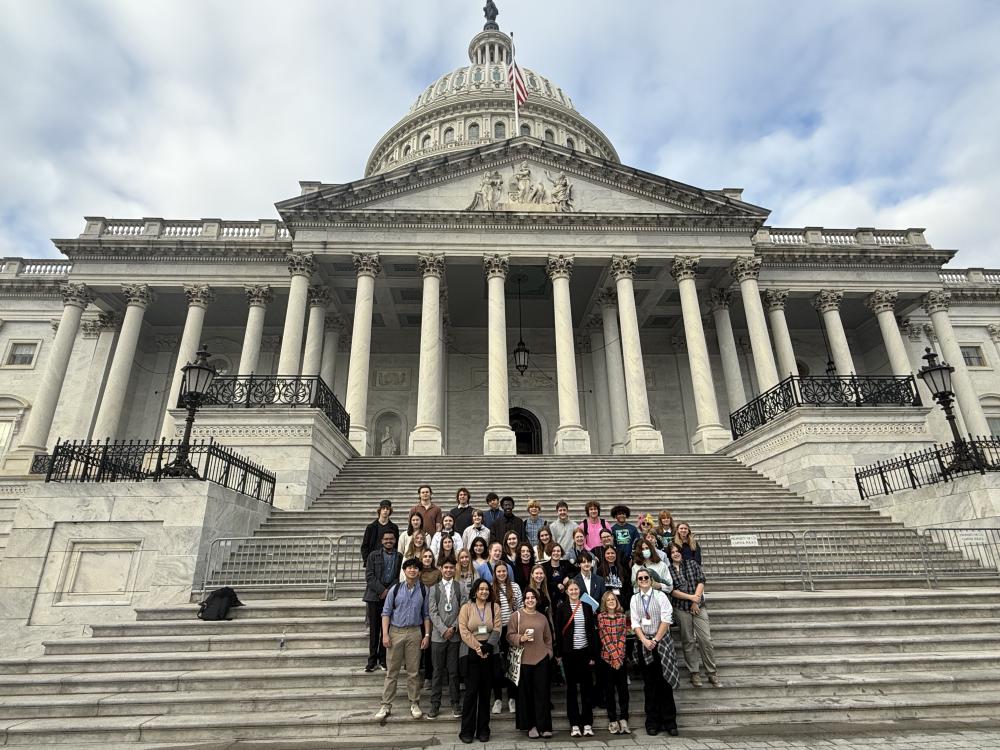
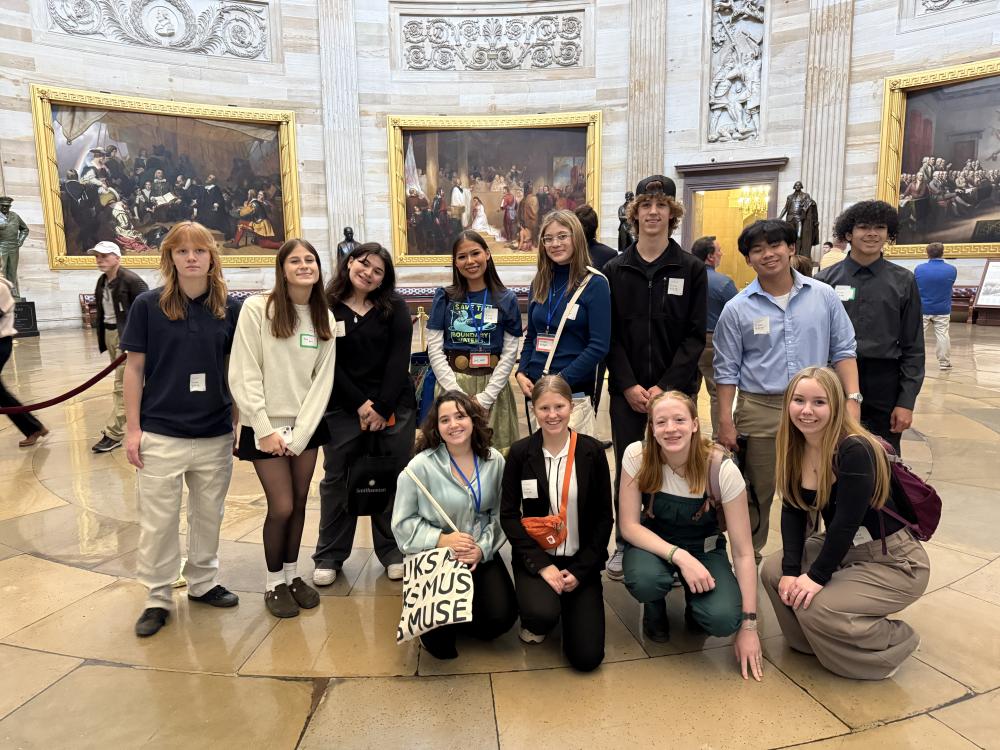
From there, I started seeking ways to make a difference. It was around this time that I stumbled across Save the Boundary Waters (STBW). However, as a young teen, most of the volunteer opportunities seemed out of reach–until they announced that a program they host called Kids for the Boundary Waters would once again be traveling to Washington, D.C. in December of 2024. The program’s goal was to empower young people to advocate for the Boundary Waters by gathering groups of 15-22 year olds who travel to Capitol Hill to ask legislators for their support to establish permanent protection for the BWCAW. I jumped on the opportunity, and a few months later I was in D.C for the first time. It was a great experience, where I got to fight for a cause I care deeply about while connecting with other passionate people and eating some really good Chinese fusion cuisine on the side. During my time in D.C., I learned that STBW was expanding their team into Duluth, meaning there would be more opportunities to volunteer locally. That spring, I learned about a summer internship that would give me the opportunity to live in Ely and fight to protect the Boundary Waters right on the edge of the Wilderness.
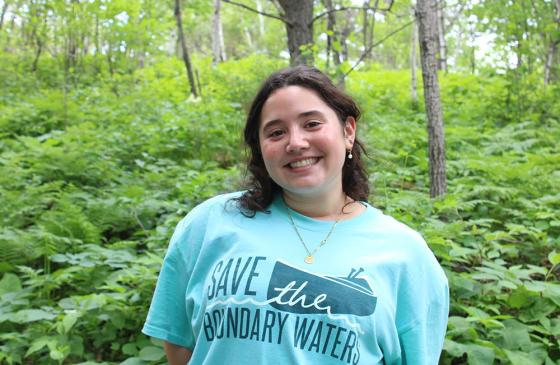
Long story short, I graduated high school, completed my first year of university at Carleton College, and wrote this at the Save the Boundary Waters Head Quarters in Ely in my official capacity as an Outreach Intern. Today, the Boundary Waters Youth Network (formerly Kids for the Boundary Waters) continues to build a network of empowered young people, from elementary to college-aged, with the advocacy and leadership skills to stand up and protect America’s outdoors.
To keep growing this movement, we need your help! Visit https://www.savetheboundarywaters.org/youth to learn how you can make a difference in the fight to protect the Boundary Waters.