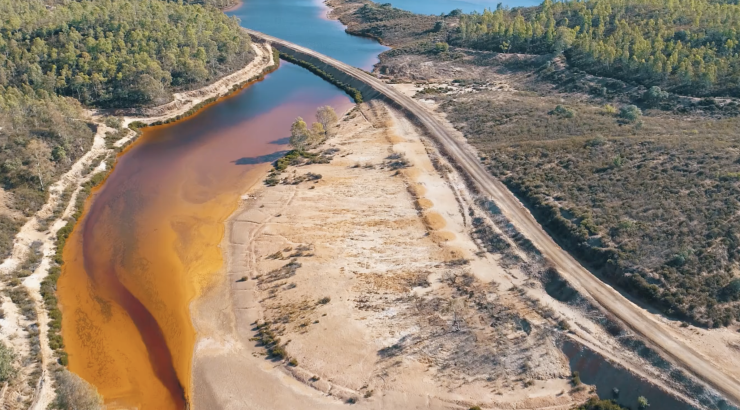
News from the Water Quality Monitoring Team
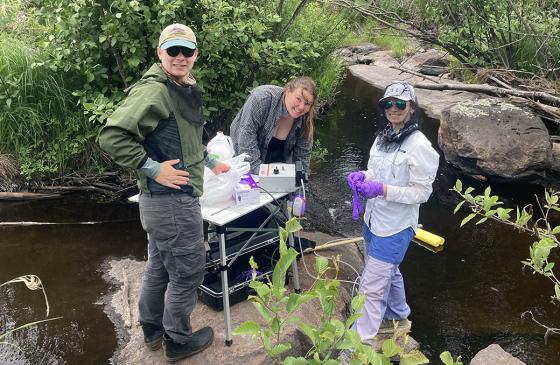
As the temperatures drop and we collect our last few water samples before shifting into winter sampling mode, our team wanted to take a moment to share some highlights from our 2026 “open water” sampling season (May-October).
This year, our field science team completed the most intense sampling season in the seven years of Save the Boundary Waters’ monitoring program history! Grace LaTourelle and Tegwen Romportl took on the summer aquatic sciences internship alongside our full-time field team, Corinne Garber (Field Manager) and Andrew Gardon (Conservation Biologist).
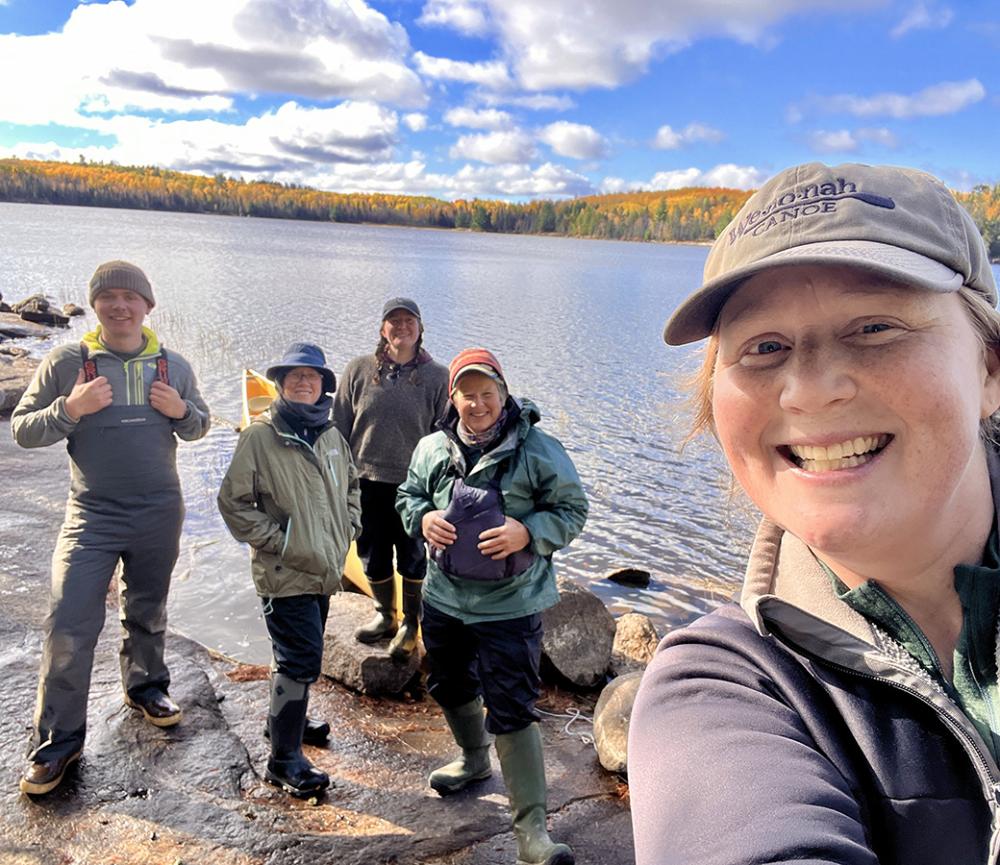
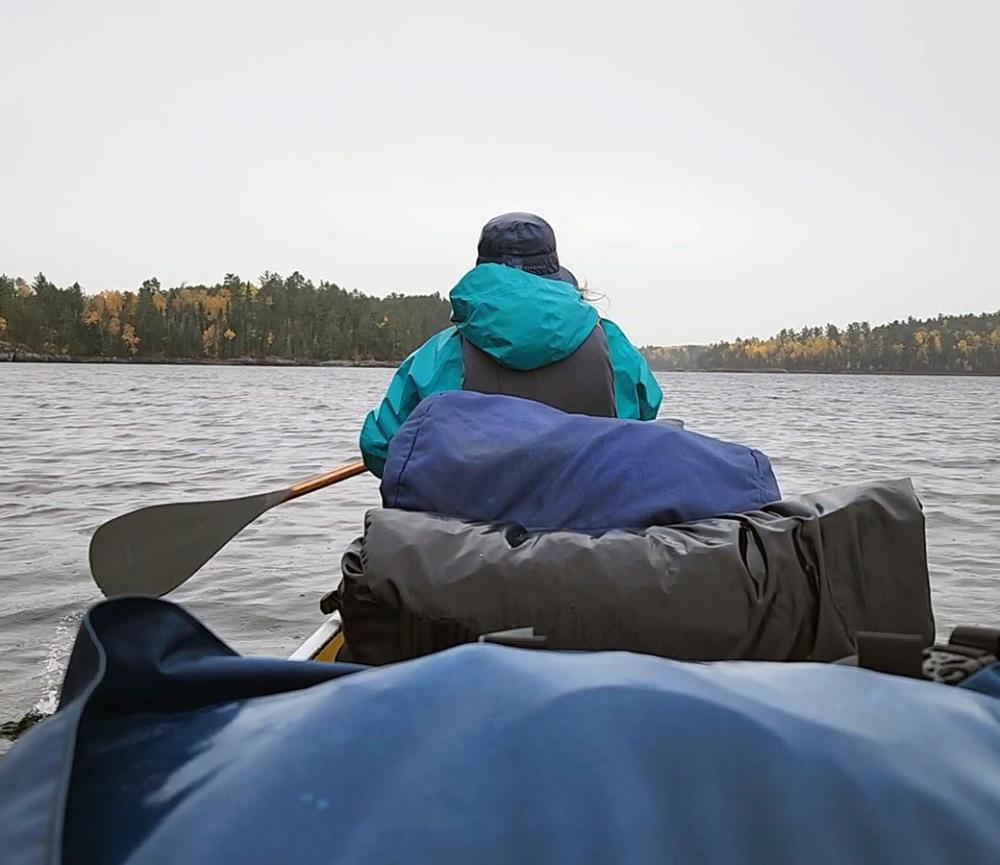
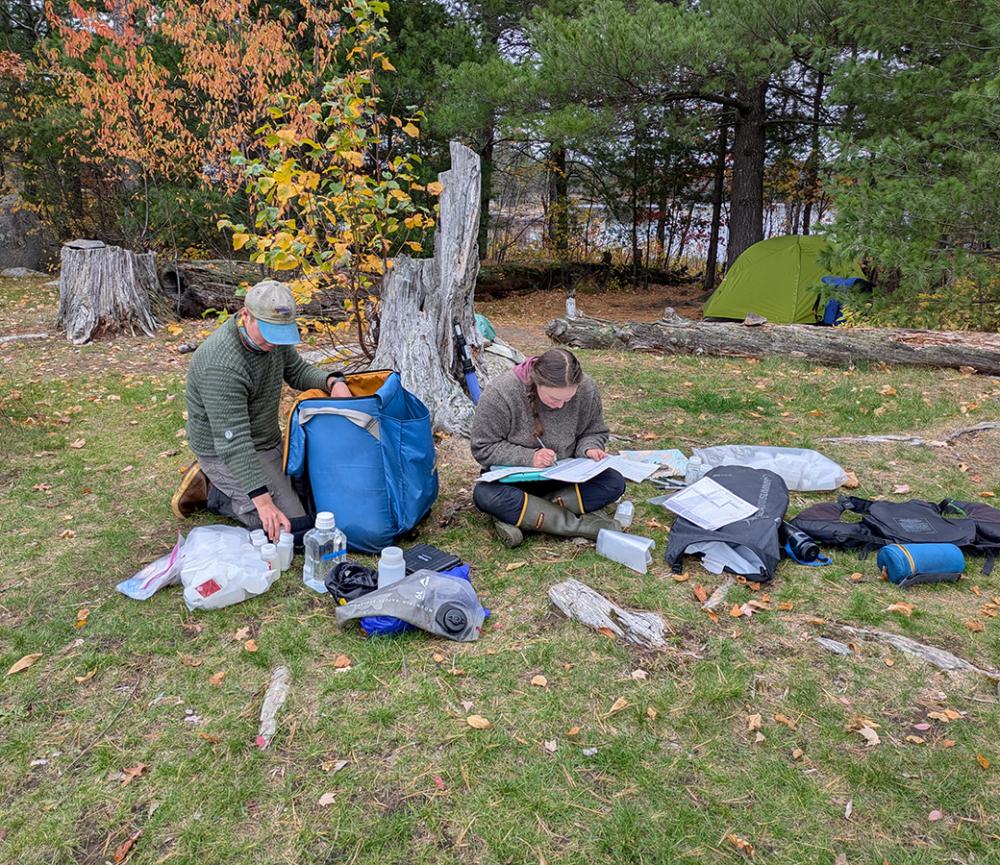
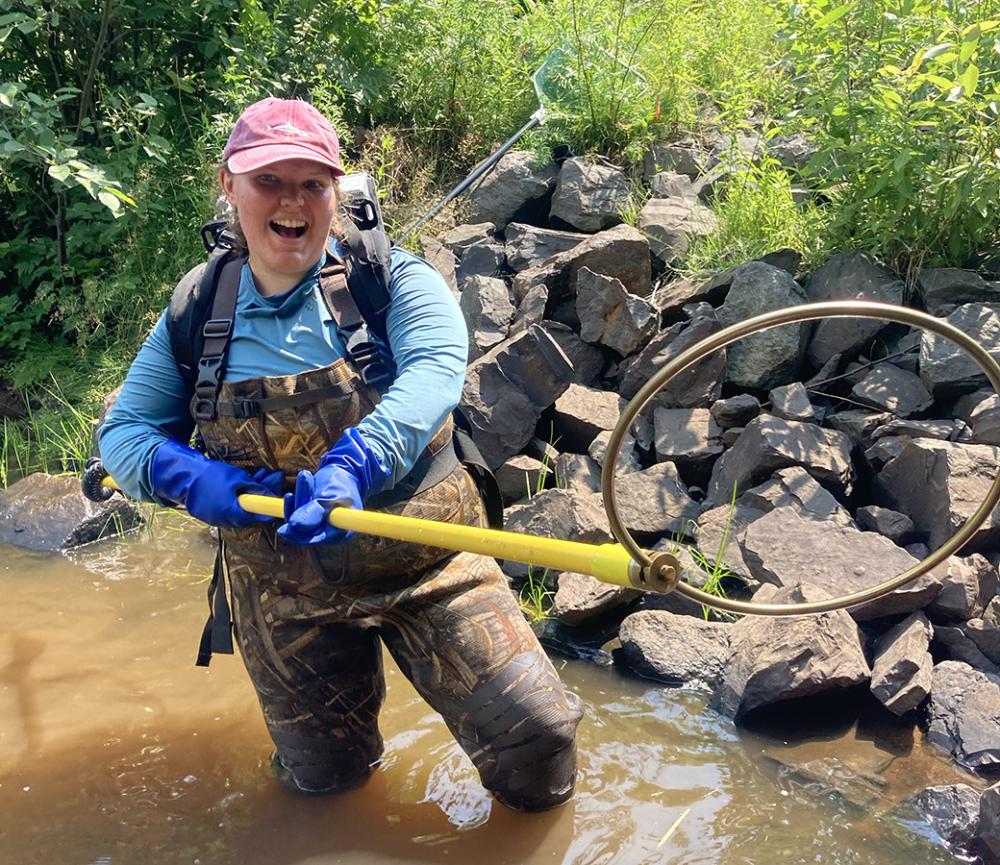
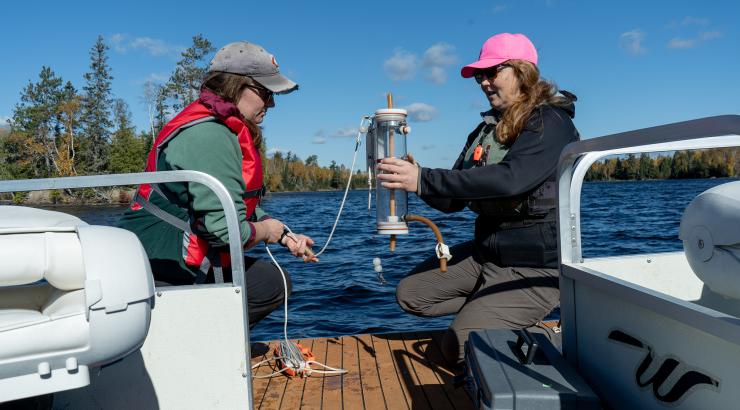
Our team spent hundreds of hours in canoes, waders, or wet boots taking surface water samples and field measurements, waist-deep in streams collecting dragonfly larvae and fish samples, and swatting mosquitoes while sampling sediment.
At every location, we take field measurements of:
-
water temperature
-
specific conductance
-
pH and
-
dissolved oxygen
We do this by using a tool called a multi-parameter sonde. We also take transparency readings using a Secchi disc in lakes and a Secchi tube in streams. We then hand-deliver or ship the samples we collect to one of eight laboratories we work with across the country. They are analyzed for the following substances: sulfate, mercury, chloride, nutrients (nitrogen and phosphorus), stable oxygen isotopes, PFAS (also known as forever chemicals), various metals (copper, nickel, iron, zinc, and more), and other general chemistry (alkalinity, chlorophyll-a, and dissolved organic carbon). We typically quantify between 10 and 40 variables at our routine sampling sites.
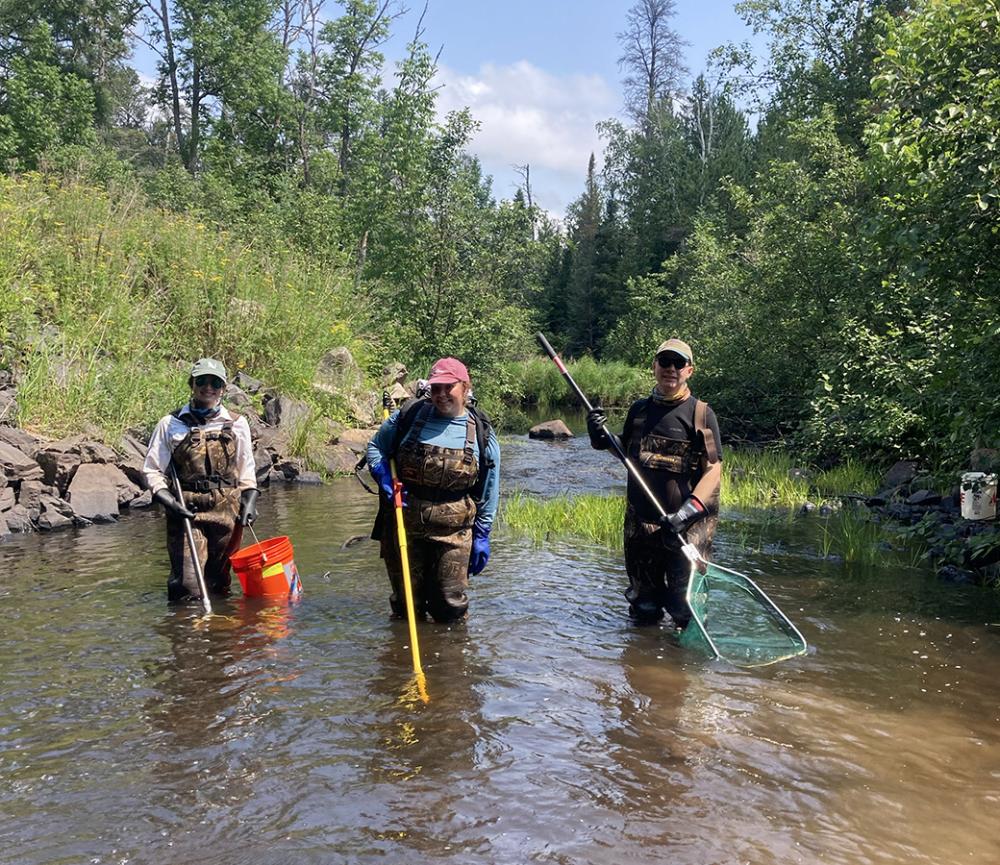
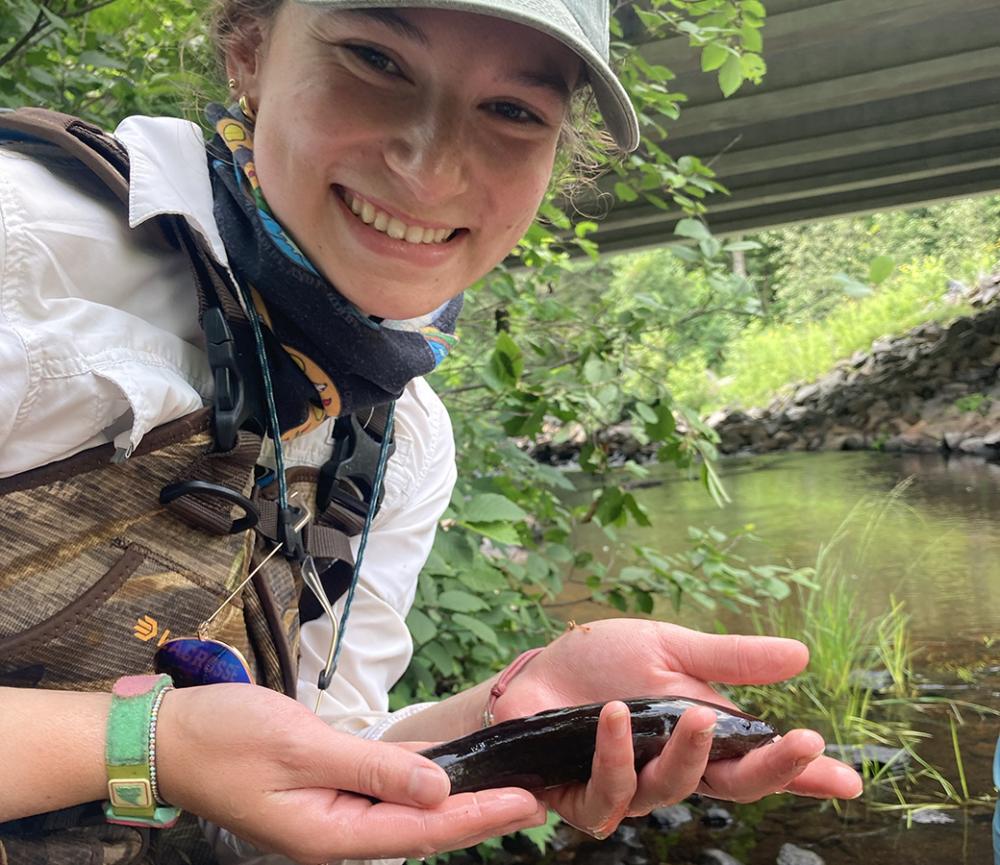
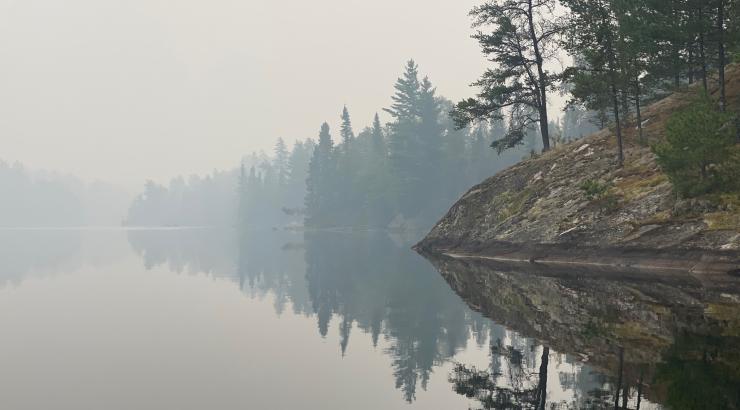
The July wildfires and smoke in our region warranted a two-week hiatus from sampling. Yet, our field staff and interns adapted quickly to continue program work remotely until it was safe to return to field data collection. The team used the time to enter data, learn more about the influence of wildfires on water quality, and brush up on fish and invertebrate identification.
Despite the unexpected interruption in field time, our team still collected samples for multiple ongoing projects across more than 60 monitoring locations in lakes and streams in the headwaters of the Boundary Waters. It was even the first time in history (that we know of) that a science team canoed to 27 lakes and streams in the Boundary Waters Canoe Area Wilderness to collect sulfate samples.
This October, with the help of Lisa Pugh (Monitoring Program Manager) and Julie Nester (Volunteer) and Theo Theobald (Volunteer), Corinne and Andrew spent 11 days paddling 170 miles from Crane Lake to Wood Lake. During this paddling trip, they visited more than 60 sites along the border route to establish baseline sulfate (SO4) conditions along the path of pollution from the proposed sulfide-ore copper mine on Birch Lake. In addition to the 11-day trip, the team took several shorter trips bringing our total to 80 BWCA sampling locations this year!
Please enjoy a few more monitoring program stats and some photos from an outstanding season on the water:
- Sites visited monthly: 60
- Sites visited 2x monthly: 22
- Sites visited weekly: 7
- Number of lakes and streams routinely monitored: 30
- Most sampled lake: Birch Lake
- Most sampled stream: Dunka River
- Highest SO4 concentration: Unnamed Creek (Dunka River tributary); 90.1 mg/L on June 18th
- Lowest SO4 concentration: Too many to list! Many of our streams have sulfate concentrations below 0.5 mg/L, this is one reason these waters are referred to as “immaculate” by the Minnesota Pollution Control Agency
- Biggest temperature fluctuation: Burntside River with a 33.5°F change between May 14th & July 13th
- Greatest diversity of fish species: Birch River with 15 species including burbot, logperch, & Johnny darter
- Number of bridge construction projects thwarting sampling plans: 3
- Most irritating sites to reach: Keeley Creek with Basswood Lake Quetico side coming in close second
- Site the team would be most devastated to lose to a mining operation: Keeley Creek
- Team favorite location: Keeley Creek with Nira Creek as runner up
- Team favorite fish: Burbot - a coldwater ray-finned fish
- Top wildlife sighting: A tie! Both seen on the Dunka River: American bittern, a wading bird in the heron family and a Rusty blackbird, one of the most rapidly declining species in North America, that we felt lucky to see!